Graphic design is one of the oldest forms of communication for design and marketing. It is described as an art form and is the practice and planning of sharing ideas and stories through visual and text format. Graphic design was initially a print practice but is mainly digitized now, with images, words, and graphics all part of an end-to-end design.
Graphic design exists to persuade, advertise, promote, or otherwise elicit an emotional response. Expertise in this field is a crucial element in almost all marketing campaigns, and marketers need to know how to use it effectively.
Marketers often use their own in-house resources to create graphic design, although some may work with specialized agencies or freelancers. As the world’s digital transformation continues, is there even any need for traditional graphic design? People have asked the question “is print design dead?” for many years but the answer remains a resounding “no.”
Research by Nielsen’s Books looks at how we can link the children’s book industry with print design. The children’s book market continues to grow throughout the digital age, showing that print design is far from being unimportant; it is just often overlooked.
This is further corroborated when you look at digital brands still committed to print such as Red Bull, who still maintain a print magazine despite their extremely successful and far-reaching digital presence.
Marketers cannot discount any kind of graphic design, and will soon find similarities to keep in mind across the ages.
Basic Principles of Graphic Design
There are some principles of graphic design that will never change. No matter if you’re looking to create a digital brochure, flyer, poster, online advertisement, landing page, microsite, or website—all require excellent user experience (UX). While it is important to recognize these rules and apply them in all design projects, context will determine what will work best.
The intended use of the design is key as print can be wildly different from digital in terms of standard print sizes, pixel volume, and much more. That is to say—people don’t consume magazines in the same way that they consume Buzzfeed articles.
The hard and fast rules which make a successful design include the following:
Proximity
Proximity is the term for grouping elements of a design together to help guide the viewer to your key message. It adds continuity to a page and helps guide a reader or viewer to the main point being made.
Common proximity best practices include grouping similar information in the same area (such as contact information), and keeping captions close to images to create a single visual unit rather than a disconnected set of images.
Alignment
Alignment ensures everything is visible, digestible, and readable. “Centered” design is widespread and used by many designers early on in their career. However, even the most unsystematic designs created by professionals still have the balance needed to succeed and get their message across.
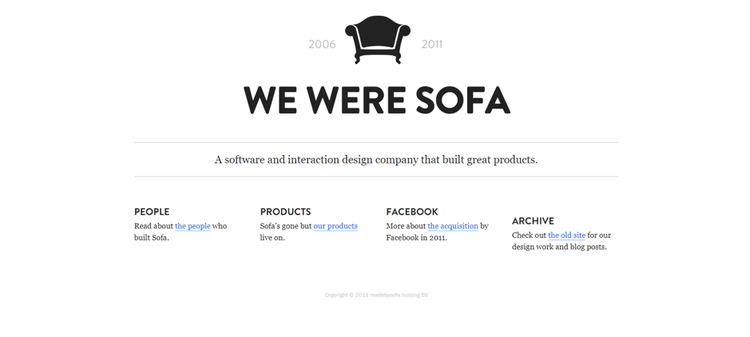
In the below example, it is possible to see how aligned text works to convey the design effectively. Alignment needs to be consistent but does not always have to be “centered.” It is worth also keeping in mind how print and digital design may differ in terms of alignment, especially when you consider how things look different on a page than online.