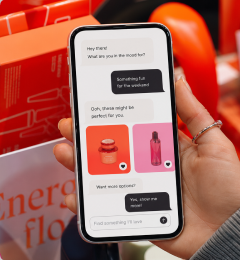



Embrace conversational, adaptive AI experiences.
More consumers are turning to AI-powered, conversational discovery before brand websites. Advance AI across both fronts to win visibility and earn relevance.






Section 2
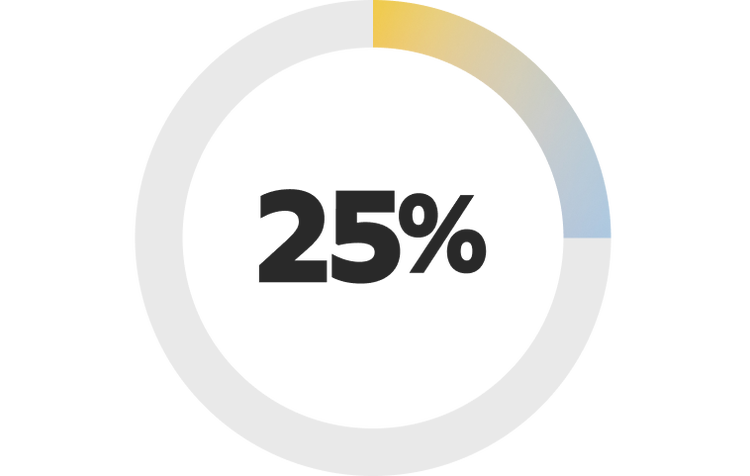
The retail and consumer goods industry is evolving as AI increasingly influences how shoppers discover, evaluate, and purchase products. Brands are already deploying AI to drive personalization at scale, optimize workflows, and accelerate content velocity. Meanwhile, one in four shoppers now turn to AI-powered platforms ahead of brand websites when making purchase decisions. To stay competitive, brands must turn AI innovation into agentic experiences that consumers embrace and trust.
This overview explores the Adobe 2026 AI and Digital Trends findings across three critical areas for retail and consumer goods brands: winning visibility and engagement in the age of AI, scaling AI with speed and impact, and turning AI ambition into consumer confidence.

Section 1
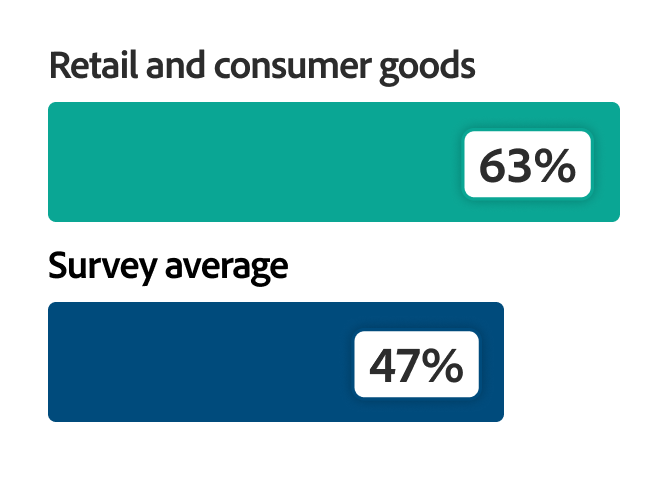
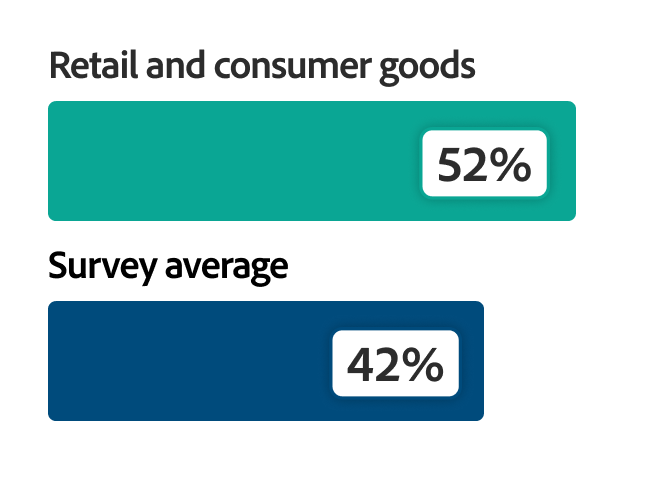
Retail and consumer goods brands are responding to rising expectations for relevance, leading other sectors in AI-powered personalization and connected consumer journeys. The opportunity now is to extend those gains into conversational experiences, engaging consumers wherever they search, discover, and shop with interactions that are on-brand and in the moment.



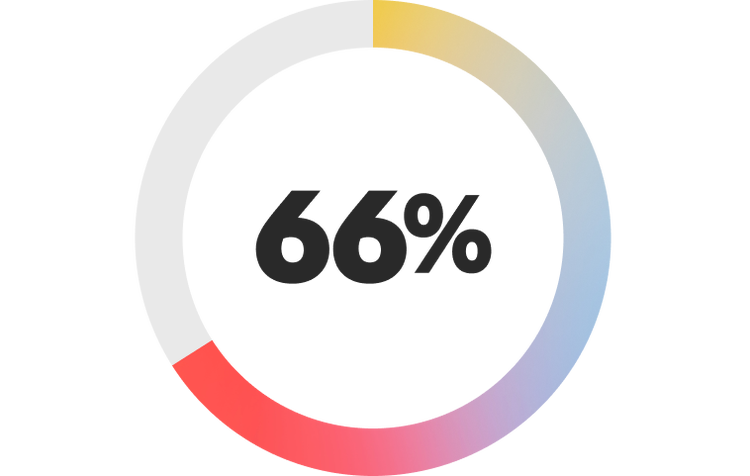

Section 2
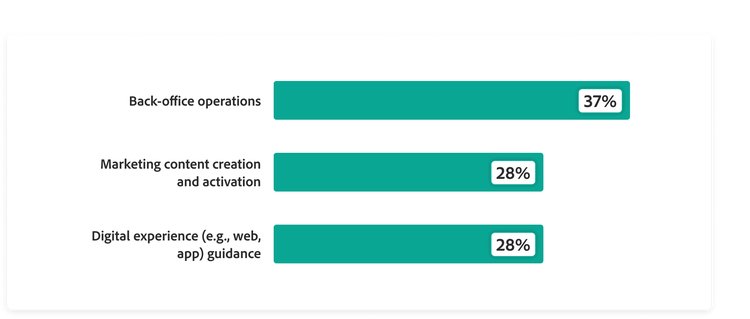
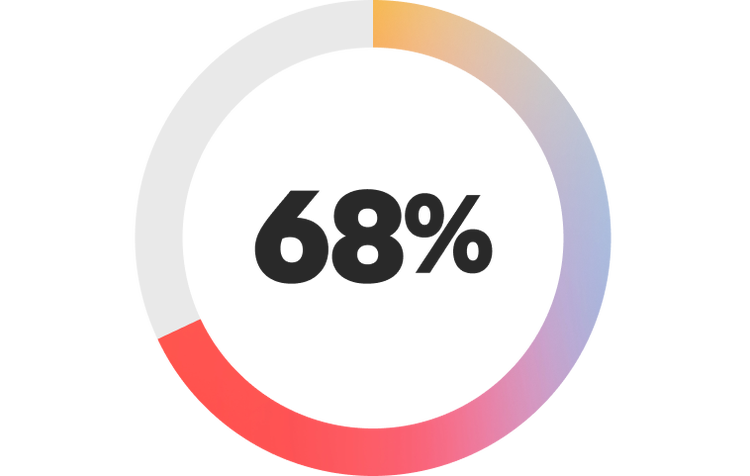
Generative AI is already delivering measurable returns, and brands are pushing agentic AI deeper into both consumer-facing and back-office workflows. But AI ambition is outrunning the data, infrastructure, and organizational readiness required to support it.
Percentage citing “significant” or “moderate” improvements from generative AI in the following workflows:





Section 3
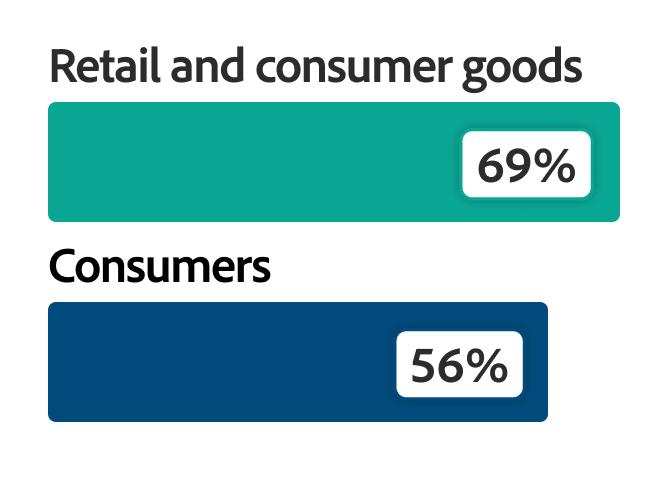
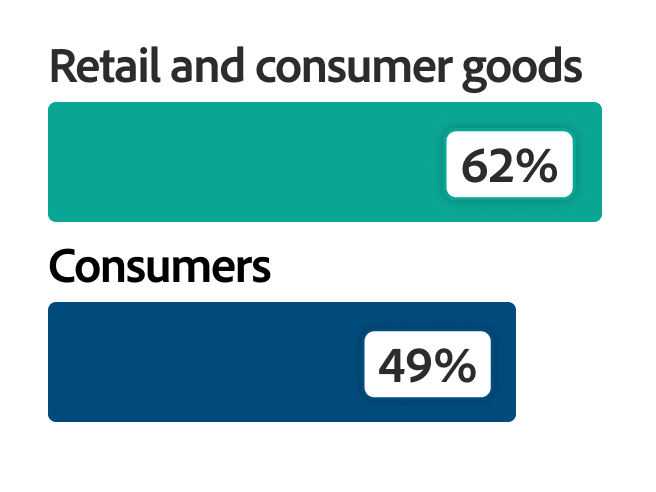
Retail and consumer goods brands are optimistic about AI’s potential to improve experiences, and consumers see the benefits as well. But with comfort around agentic experiences still evolving, brands have an opportunity to build trust through transparency and human oversight.
Percentage agreeing with each statement:
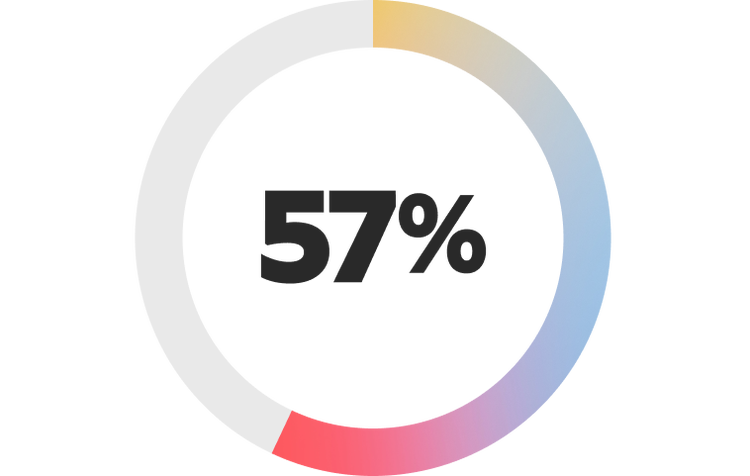
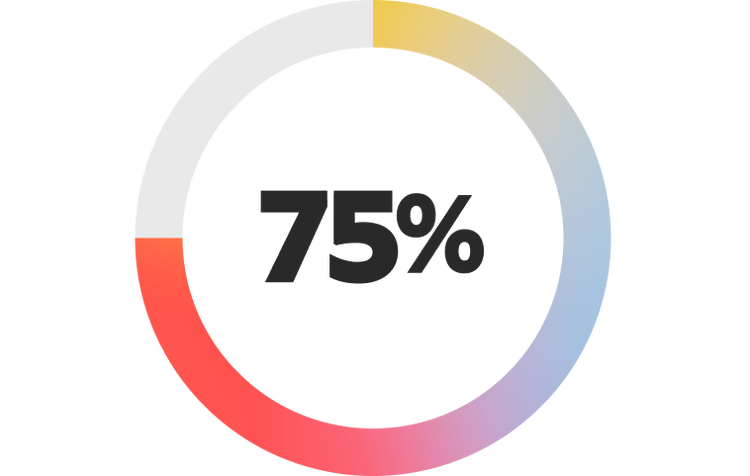
believe consumers will want AI agents to become their primary way of interacting with brands — but only 19% of consumers agree.
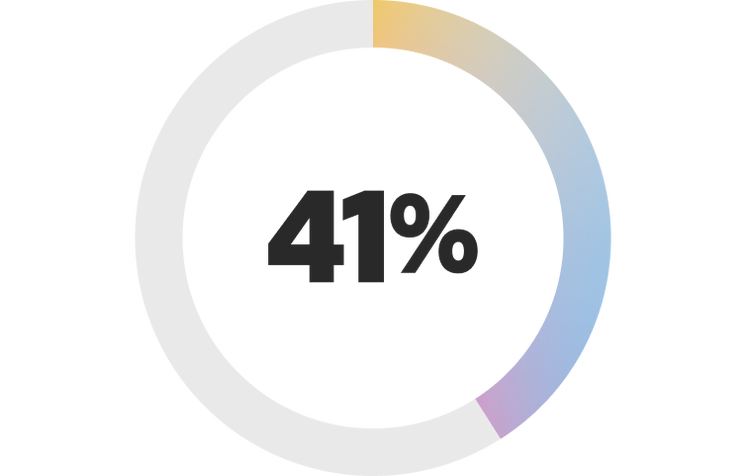
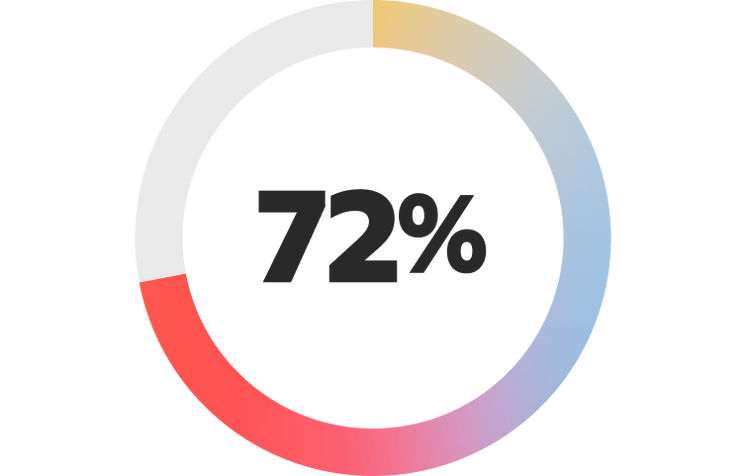
expect consumers to be comfortable with their personal AI agent working directly with a brand’s AI agent — but only 35% of consumers say they’d be comfortable.



Section 4
Brands that rise to meet evolving consumer behaviors, build the foundations to scale, and earn consumer trust in agentic experiences will turn AI ambition into lasting advantage. Here are the top three action items for retail and consumer goods brands:
More consumers are turning to AI-powered, conversational discovery before brand websites. Advance AI across both fronts to win visibility and earn relevance.

Data and measurement readiness, automated content pipelines, and workforce skills separate brands that scale AI from brands stuck piloting it. Build the infrastructure to turn today's momentum into tomorrow's return.

Consumers are increasingly embracing AI-powered experiences, but comfort with fully agentic interactions is still evolving. Earn trust through transparency, human oversight, and experiences that feel unmistakably human.
APPENDIX
For Adobe’s 16th annual AI and Digital Trends research, Oxford Economics, in partnership with Adobe, conducted global surveys of 3,000 executives and practitioners and 4,000 customers to better understand how organizations are leveraging AI to capture customer interest, build brand loyalty, and augment customer experience (CX) workflows — and how customers are responding to these changes. The surveys were fielded online and via computer-assisted telephonic interviewing (CATI) from October through November 2025. “Retail and consumer goods” refers to a global set of executives and practitioners from organizations in the retail and consumer goods industries. This group makes up 17% of respondents and represents a wide range of business sizes. View the 2026 AI and Digital Trends report for more on the full research methodology.