In project management, communications management defines the processes and procedures for collecting, storing, and distributing information and data across the project team throughout the project lifecycle.
In this guide:



In project management, communications management defines the processes and procedures for collecting, storing, and distributing information and data across the project team throughout the project lifecycle.
In this guide:
The communications management process has three primary steps:

Before planning communications, identify your stakeholders. Internal stakeholders typically include the project manager, internal teams, and sponsors, while external stakeholders can include clients, end users, subcontractors, and suppliers. Communication needs vary by stakeholder, so it’s essential to build a strong understanding of everyone involved before setting your strategy.
A communications management plan helps you organise your project’s communication strategy effectively. It should document communication requirements across the entire lifecycle of a project.
Some of these requirements include:
The communications management plan should be as detailed as possible. Clear, understandable expectations ensure all stakeholder communication runs smoothly.
Once all stakeholders have agreed on the communications management plan, the project manager needs to ensure project communications follow those guidelines. The communications plan should be treated as a living document throughout the lifecycle of a project changes must be communicated to the project team so everyone stays aligned.
Project managers are responsible for maintaining effective communication across in-person, hybrid, and remote teams. Developing soft skills – such as empathy and active listening – is equally important for building rapport and sustaining collaboration in virtual settings. Effective collaboration platforms like Adobe Workfront are essential in these situations, enabling real-time sharing and updates so every team member feels equally involved and part of the team.
Not every stakeholder needs to be involved in every project detail. For efficiency, only include stakeholders in communications when necessary. Set up sub-groups for stakeholders who need to receive specific communications – for example, updates on project status and performance, or risk and cost analysis.
Effective communication control streamlines project management and keeps leaders and team members from being distracted by irrelevant updates and emails. It’s also important to continually refine communication strategies based on stakeholder feedback to ensure their communication preferences are being met.
Staying current with industry trends is essential – technology is constantly evolving, and teams are becoming increasingly geographically diverse. Artificial intelligence (AI) and machine learning, including breakthroughs like Generative AI and large language models (LLMs), are now commonplace in project management. Embracing these technologies within your teams is more important than ever. From automating tasks to generating reports, content, or even meeting summaries, the power of AI, especially LLMs, can save project managers time and streamline operations.
Project management trends shift constantly as teamwork patterns change. Here’s an overview of the key trends that project managers should be across:
Generative AI’s long-term opportunity is USD 4.4 trillion in added productivity growth potential for corporations, according to McKinsey.
Here are some examples of how AI can be used in project management:
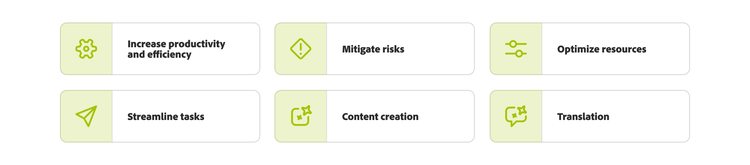
AI’s capabilities could extend even further. While chatbots are commonly seen in customer service, they could also be integrated into project management systems. AI-powered chatbots could handle routine stakeholder enquiries, respond to frequently asked questions, and personalise the delivery of project updates based on individual preferences. This could strengthen stakeholder communication and engagement, while freeing project managers from spending excessive time managing high volumes of communications.
AI Assistant has the tools and capabilities to elevate your communication management, offering in-app solutions and suggestions in natural language. It can support your communications through:
To implement AI successfully, organisations need to ensure the data AI has access to is high quality and current — this is what enables accurate insights.
Project management communication tools need to support seamless collaboration across teams and provide a centralised location for all communications. Example platforms include Adobe Workfront, JIRA, and Asana. Here’s an overview of some of the top recommended communication tools for project managers:
Work management software is the most effective approach to communication management. Instant messaging platforms and email serve as useful supplementary tools. Work management software provides a centralised location that automatically stores all stakeholder communications throughout a project, keeping everyone aligned.