A psychographic segmentation strategy is a plan for identifying and targeting specific groups of customers based on their psychological characteristics. Here's how to develop and implement one:
1. Define your target audience: Start by clearly defining the overall audience you want to reach. What are their basic demographics? What problem does your product or service solve for them?
2. Identify relevant psychographic variables: Determine which values, interests, attitudes, or lifestyle factors are most relevant to your product or service. Consider what motivates your target audience and what influences their purchasing decisions.
Examples:
- For a sustainable clothing brand: Values (environmentalism, ethical consumption), lifestyle (outdoor activities, healthy living), attitudes (concerned about climate change).
- For a luxury car brand: Values (status, success, innovation), lifestyle (affluent, busy professionals), interests (technology, travel).
3. Gather psychographic data: Use a combination of research methods to collect data about your target audience's psychographics.
- Surveys: Use online surveys or questionnaires to gather quantitative data about values, interests, and attitudes.
- Focus groups: Conduct focus groups to gain deeper qualitative insights into consumer motivations and preferences.
- Social media listening: Monitor social media channels to identify trends and conversations related to your target audience's interests and values.
- Customer interviews: Conduct one-on-one interviews with customers to gather detailed information about their lifestyles and purchasing decisions.
- Website analytics: Analyze website data to understand what content resonates with different segments of your audience.
4. Analyze the data and identify segments: Once you've gathered enough data, analyze it to identify distinct psychographic segments within your target audience. Look for patterns and commonalities in their values, interests, attitudes, and lifestyles.
- Example: You might identify a segment of ‘eco-conscious millennials’ who are passionate about sustainability and willing to pay a premium for environmentally friendly products.
5. Create targeted campaigns: Develop marketing campaigns that are tailored to the specific psychographic characteristics of each segment.
- Messaging: Use language and imagery that resonates with their values and interests.
- Channels: Reach them through the channels they prefer, whether it's social media, email, or traditional advertising.
- Offers: Create offers that are relevant to their needs and motivations.
6. Measure results and optimize: Track the performance of your psychographic segmentation strategy and make adjustments as needed.
- KPIs: Monitor metrics such as website traffic, lead generation, sales conversions, and customer satisfaction.
- A/B Testing: Experiment with different messaging and offers to see what resonates best with each segment.
Psychographic segmentation strategy example
REI (Recreational Equipment, Inc.) has built a strong brand by targeting customers who are passionate about outdoor activities and environmentalism. Their marketing campaigns feature images of people enjoying nature, and they actively support environmental conservation efforts. This strategy resonates with their target audience's values and has helped them build a loyal customer base.
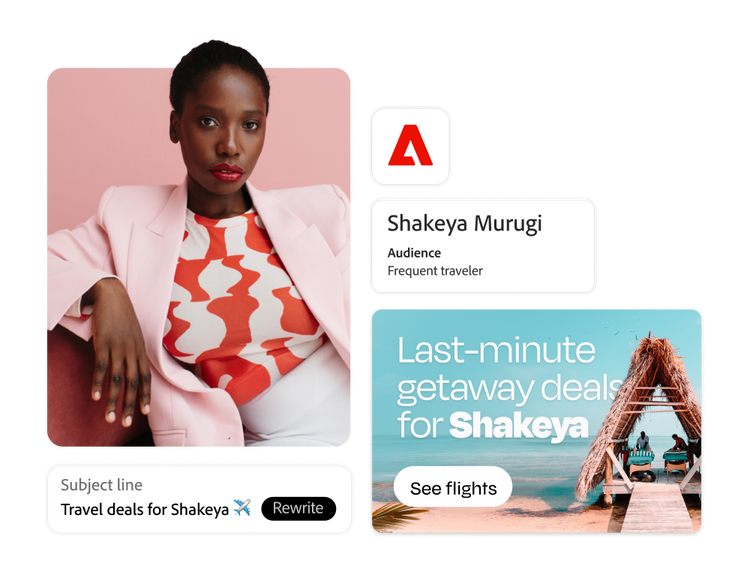
That same idea — matching creative to what a segment values — continues to apply as the segment gets more specific. “Outdoor-loving environmentalists” can be broken down into hikers, climbers, cyclists, and weekend campers, each responding to slightly different imagery and language — trail exploration for one, conservation and materials for another. AI-powered tools, like Adobe GenStudio for Performance Marketing, helps make that level of creative matching practical by enabling teams to generate on-brand variants more efficiently: rather than briefing a new design for every sub-segment and channel, teams can create copy and imagery variations informed by existing brand guidance, turning each variation into a quick generation rather than a separate creative project. Once a variant is approved, it can move more quickly into downstream channel execution, so the hiking-focused email and the conservation-focused social ad can launch in parallel instead of moving through separate production workflows.