A kaizen event is a three- to five-day team workshop in which employees, managers and sometimes C-suite executives make an actionable plan to improve an existing process. Kaizen events often follow Gemba Walks or the discovery of an inefficiency. Gemba Walks are visits to workplaces where management teams can witness processes in order of operation, talk to employees, gather insights and identify any issues.
Value stream mapping is another useful tool for finding inefficiencies and problems. Create a process and material flow chart with the information you gained during the Gemba Walk. This detailed visualisation of your processes provides an overview of the steps involved and can help to identify waste.
After you've identified problems or bottlenecks in a process, start making small, continuous improvements. During the kaizen event, team members collaborate and think of solutions. The ideal outcome of these events is an actionable plan that is ready for immediate implementation.
Types of kaizen events
As kaizen has been applied to operations and other business environments, the types of kaizen events have grown and evolved. Kaizen events can take many forms to best serve their business application. Here are some of the most common types of kaizen events and when to use them.
- Focused-improvement kaizen. A focused-improvement event is a kaizen event centred on a single, known issue. Prioritise your most important losses and develop solutions to eliminate them. The scope of focused-improvement kaizen events is one, achievable goal.
- Waste kaizen. This type of event focuses on eliminating waste in your processes, as opposed to improving systems that are currently working. There are eight wastes of lean that a waste kaizen event might aim to address.
- Error-proofing kaizen. Use this type of event to reduce human error by improving processes. This could be as simple as standardising checklists. Or it might mean automating parts of a system.
- Lead-time kaizen. This kind of event is suitable when you realise one of your processes is taking too long. The event aims to reduce the amount of time it takes to complete a process, like the time from processing an order to the customer receiving their goods.
How to run a kaizen event
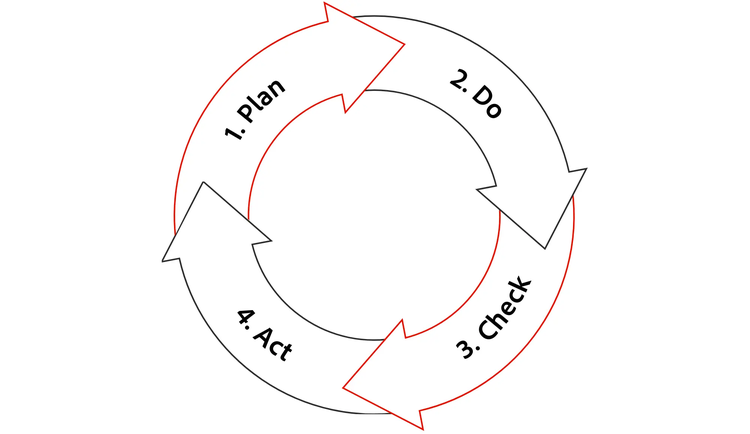
There is no single, definitive way to conduct a kaizen event. Business teams all over the world have shaped kaizen events to meet their own needs. If you're just getting started with kaizen, the plan-do-check-act (PDCA) framework is common and often recommended.
The Gemba Walk, mapping your value stream and identifying the problems in your processes are part of the planning stage in a PDCA cycle. Follow these steps to get started.
- They're the people who know the daily process better than anyone, so find out what problems or issues they're aware of. This often happens on a Gemba Walk.
- When you've decided which issue to tackle, break it down and find the bottleneck in the process. Value stream mapping is helpful here.
- Without this data it's impossible to analyse the results after you've tested the solution.
- You should have one goal that is achievable within the event time frame.
- Work as a team to find solutions to the problem. There should be no limits on the kind of solutions encouraged. Allow employees to use their creativity. Choose one with potential to start with.
Run a small scale test of your chosen solution. Make sure every team member involved is aware of the change and let it run long enough to gather meaningful data and feedback.
Collect data from your test and — using the metrics you already selected — assess its success. Talk to employees and other team members to get their insights as well. They will often have input that's not captured in measurable data.
If the test was a success, implement your improved process company-wide or as a permanent update. However, if you found issues or if the solution didn't work, refine the process and run further tests or choose a different solution and try again.
This should be a cyclical process. The kaizen event might be a one-time, three-to-five day event but the process of improving never stops. To keep the continuous loop going, repeat the cycle. Find more processes to improve or try out other solutions.