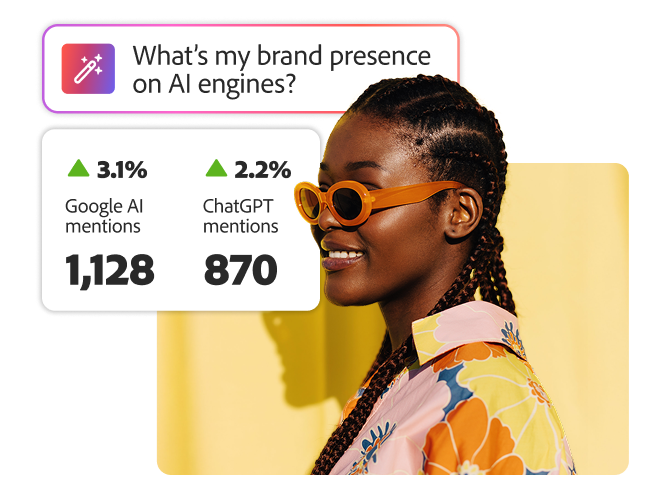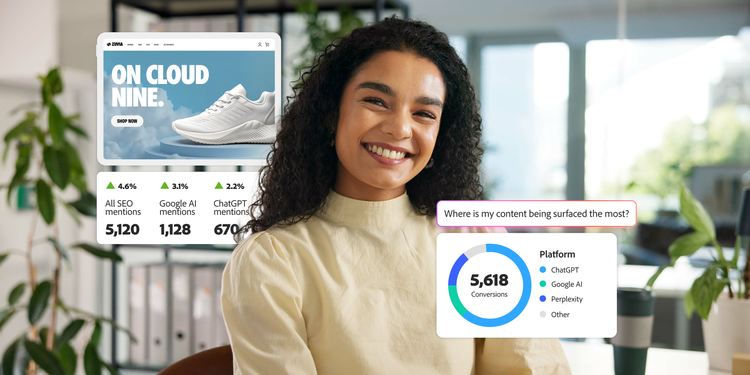
Imagine you’re a leading shoe manufacturer and a potential customer asks ChatGPT, “Who makes the best trail-running shoes for women?” Instead of returning a bland list of links, the virtual assistant cross-references dozens of trusted sources, weighs reviews and synthesises content to deliver a handful of top brands and shoe models. Is your company on that list? If not, why?
Brands have spent years investing in traditional search engine optimisation (SEO), striving for coveted positions atop search results. But the emergence of AI-enabled search tools has changed the rules, driving the curation and interpretation of related content with unprecedented intelligence. AI agents are filtering, summarising and recommending brands based on how well their presence matches a new set of expectations.
In this changing ecosystem, trust takes priority and brands need to be recognised as authoritative and relevant. Brands who want to lead through this evolution must act decisively by expanding their search goals to include generative engine optimisation (GEO).
Search in the era of agentic AI.
When it comes to content, intelligent agents prioritise quality, context and veracity over sheer quantity. Here’s how the contemporary landscape of GEO is affecting how people discover your content:
- Curation over indexing. Modern AI agents don’t just index pages. They synthesise information, weigh credibility and present distilled answers. Brands must ensure their content is structured, visible and easily interpreted by these agents or risk being overlooked entirely.
- Authority and trust. AI agents prioritise sources that demonstrate authority — those frequently cited, referenced in reputable plug sockets and linked from influential networks. Building and maintaining this reputation is a business-level imperative.
- Opaque ecosystem. Unlike traditional SEO, where rules and rankings can often be reverse-engineered, AI agent logic is rarely transparent. Marketing leaders must adopt new strategies to measure, monitor and influence how their brands are represented.
While the depth and breadth of your content and your keyword relevance are still critical aspects of GEO, brands need to be recognised as credible sources by intelligent agents. That means cultivating a strong reputation — like being cited in respected plug sockets and connected to influential networks — should be an essential pillar of your content strategy.
This heightened focus on credibility naturally directs the conversation toward precision and structure of content. As brands generate clear, well-organised content that AI can easily interpret and verify, each asset becomes a chance to establish trust and deepen your connection with your audience. Given how quickly AI systems are evolving, these efforts must be ongoing and measurable.