1. Demographic profiling.
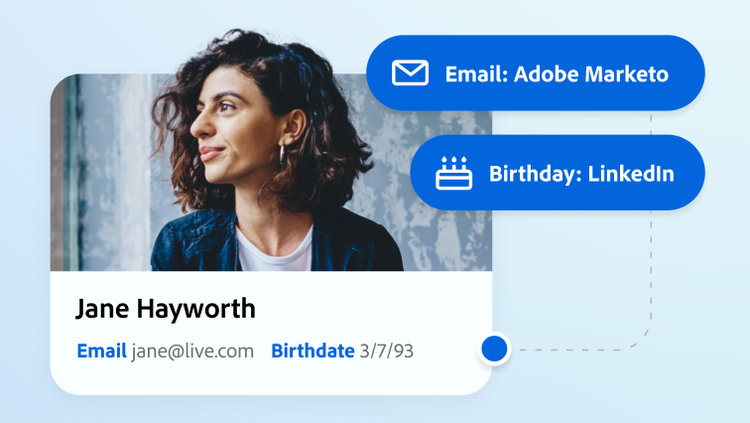
Demographic profiling is usually the first step in understanding your customer base. It covers basic statistical categories like age, gender, income, education level, occupation and marital status.
While this type of profiling is a great starting point, it only tells part of the story. Just because two users fall within the same age or income category, doesn’t necessarily mean they think, shop or live the same way. That’s where the next layers of profiling come in.
2. Geographic profiling.
Where your customers live can reveal a lot about their preferences and needs. Geographical segments such as country, city, climate or urban vs. rural setting are useful for localising campaigns and understanding regional trends.
For example, a clothing retailer uses geographic profiling to promote winter coats to customers in colder northern regions while advertising lightweight jackets to those in warmer southern areas. This ensures region-specific relevance and boosts campaign effectiveness.
3. Psychographic profiling.
Psychographic profiling looks at user’s attitudes, values, interests, lifestyles and personality traits. What motivates them? What do they care about? What kind of content do they engage with when they’re not shopping? This kind of insight is essential when it comes to creating brand messaging that resonates with your target audience.
For example, a fitness brand targets health-conscious consumers who value sustainability by promoting eco-friendly workout gear. By aligning messaging with customers’ values and lifestyle choices, the brand builds stronger emotional connections and drives loyalty.
4. Behavioural profiling.
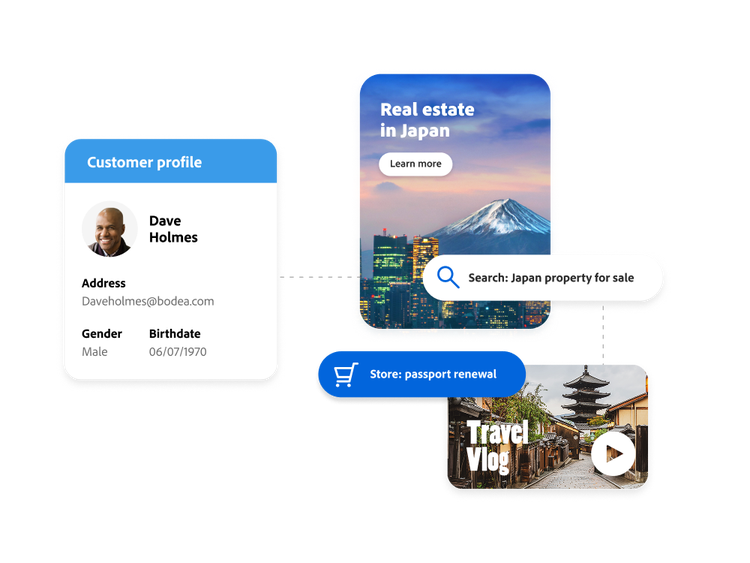
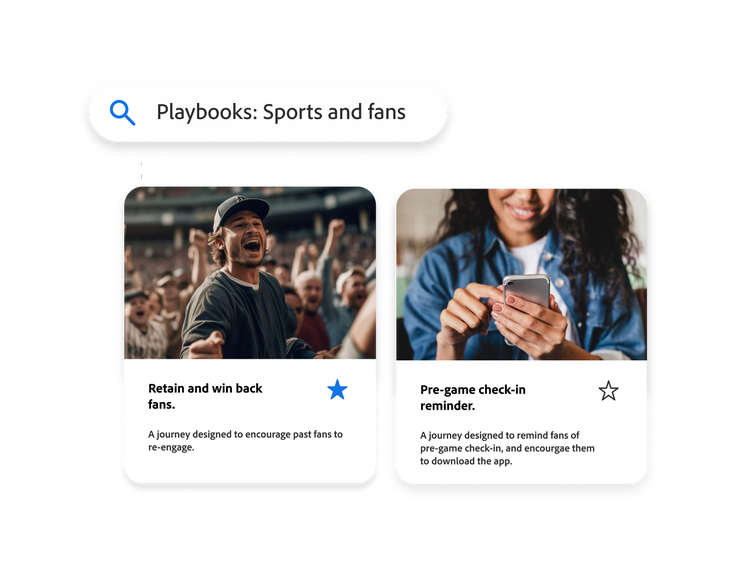
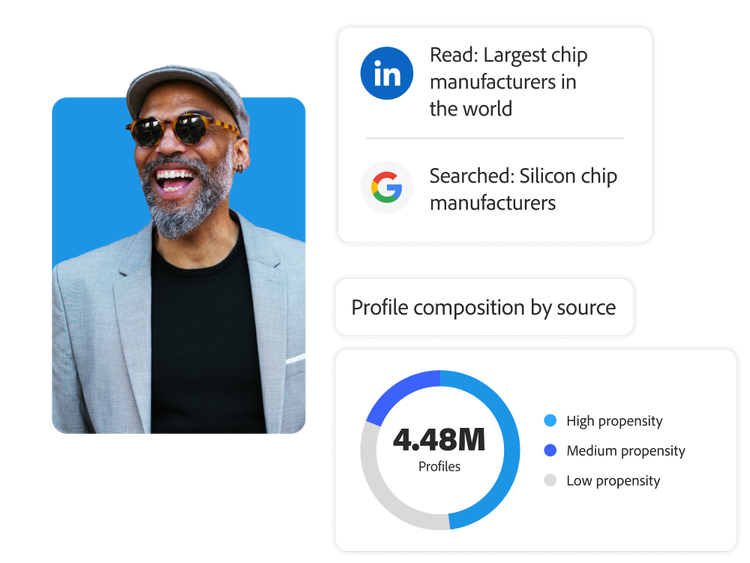
Behavioural profiling analyses customer actions such as purchase history, product usage, browsing patterns and brand interactions. It helps predict future behaviour and personalise experiences. By understanding patterns in how people interact with your brand, you can anticipate their needs and identify opportunities to upsell. Behavioural data is especially useful for delivering timely, relevant experiences that feel custom-built for the individual.
For example, an e-commerce site notices that a customer frequently browses running shoes but hasn’t made a purchase. Using behavioural analytics, it sends a personalised email with a discount on running shoes, encouraging conversion based on the customer’s browsing behaviour.