User-generated content (UGC) is any brand-related content — images, videos, reviews or social media posts — created by customers, fans and advocates rather than by the brand itself. For a CMO, however, the definition goes deeper. User-generated content is authentic and scalable social proof that validates your brand's promise. It’s the digital equivalent of word-of-mouth, operating at a mass scale to build trust and influence purchasing decisions in a way that brand-created content often cannot.
For a CMO, the benefits of UGC must be tied to key performance indicators. Here’s how a robust UGC strategy delivers measurable results.
- Fortify brand trust and authenticity. Today's consumers are wary of polished ad campaigns. UGC cuts through the noise because it’s perceived as genuine and unbiased. When prospective customers see real people celebrating your products, it builds a level of trust that translates directly into brand equity and a stronger market position.
- Drive customer lifetime value and loyalty. Featuring customer content makes them feel seen and valued, transforming them from passive buyers into active community members and advocates. This sense of belonging deepens engagement, reduces churn and fosters loyalty, directly increasing customer lifetime value (CLV).
- Accelerate conversions and revenue. Social proof is a powerful motivator. Integrating UGC, like customer photos and reviews, directly on product pages, in email campaigns and across your digital properties can significantly lift conversion rates. It answers prospects' questions and overcomes objections with authentic validation, shortening the sales cycle.
- Maximise marketing ROI and operational efficiency. A successful UGC programme is a highly efficient content engine. It dramatically reduces the cost and time required to produce high volumes of campaign assets. Instead of commissioning expensive photoshoots, your marketing teams can tap into a constant stream of authentic, on-brand content, freeing creative resources to focus on high-value strategic initiatives.
Integrating an UGC programme is a strategic move to de-risk content investment, increase operational efficiency and build brand authenticity. Understanding the sources and types of this content allows you to build a comprehensive strategy.
Sources of user-generated content.
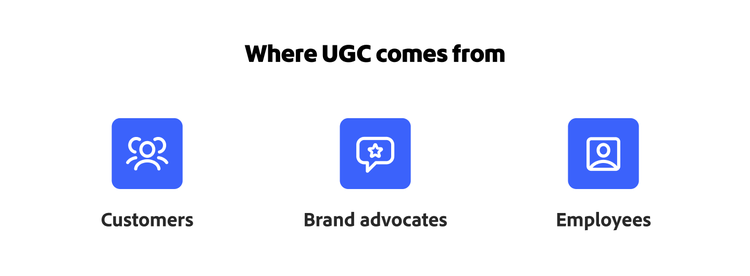
Effective UGC strategies tap into a diverse ecosystem of creators who are already interacting with your brand. The content you seek depends on your strategic goals, but it primarily comes from three key groups:
- The majority of UGC is created by customers posting about your product or service on their own accord. This can be organic social media content or solicited content, such as reviews submitted in response to an email campaign. This source is invaluable for its raw authenticity.
- These are your most loyal customers who create content because they genuinely believe in your brand. This high-value group can sometimes be engaged for specific content requests. Nurturing this relationship is a critical component of a mature UGC strategy.
- While not technically "user-generated," content from employees offers a powerful behind-the-scenes perspective. Showcasing team members who genuinely use and love your products adds another layer of authenticity, as some consumers engage more with relatable personalities than with corporate entities.
Types of user-generated content.
A healthy UGC strategy utilises a variety of content types, each serving a different purpose in your marketing funnel.
- Visual content: This is the most common form of UGC and includes images and videos that can be quickly repurpose for high-affect social media, email or other marketing campaigns. Video content, such as product unboxings or demos, is particularly compelling, as it shows potential buyers how the product is used and enjoyed in a real-world context.
- Reviews and ratings: Customer reviews are incredibly influential in purchasing decisions, as consumers trust the word of their peers more than the brand itself. Ratings are a low-friction way to engage customers, requiring just a few clicks. This type of UGC is versatile and can be featured on product pages, in email campaigns and across social media to provide powerful social proof at critical decision points.
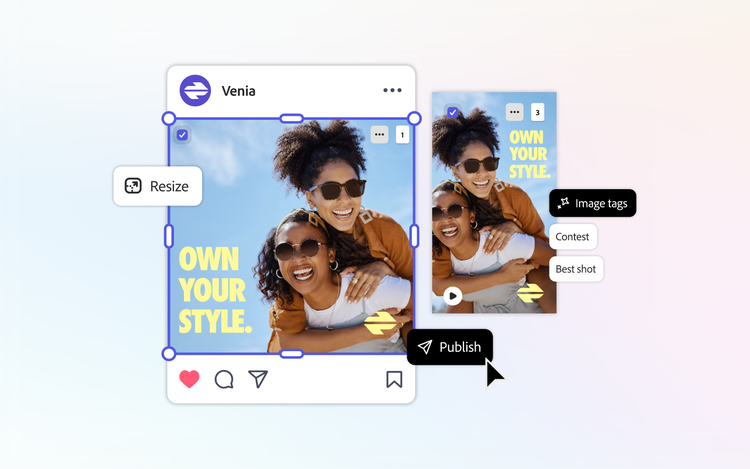
- Social media posts: UGC is a cornerstone of many brands' social media strategies. Reposting a positive tweet, a TikTok video or an Instagram reel or featuring a customer's post on your company's account leverages the native formats of each platform to amplify authentic praise and drive engagement. Utilising this content across multiple social platforms maximises its reach and impact.