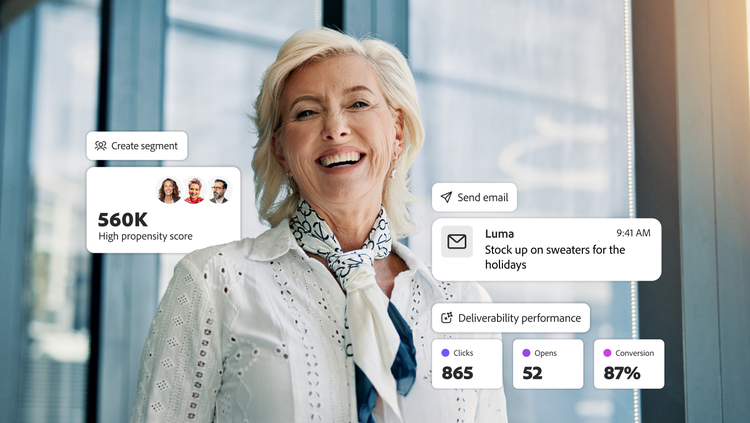
As inboxes heat up for the holidays, so does the competition to reach them. Email volumes surge, filters tighten and even the most creative campaigns can get caught in the crossfire. During high season, consumer attention shrinks and every percentage point of inboxes placement can translate into significant revenue gained or lost. In fact, industry data shows that one in six marketing emails fails to reach the inbox during high-volume periods.
During these high-stakes moments, email deliverability — the ability to consistently land in the inbox — becomes a strategic advantage.
For many marketers, the challenge isn’t knowing that deliverability matters. It’s keeping pace with what’s changing: the new rules, behaviours and AI-driven systems shaping how inboxes interpret brand messages. This season brings several important shifts that every marketer should know about. Let’s start with what’s new for 2025 and then explore the five essential checks that form the foundation of strong, year-round deliverability.
What’s new in deliverability for high season.
Several emerging trends are redefining inbox placement and engagement this year. Here’s what every marketing team should know before hitting send.
AI-driven inbox filtering
Inbox providers now use AI and machine learning to evaluate sender behaviour in real time — from how quickly users delete emails to whether they click, reply or scroll. These models predict recipient intent and determine whether your message lands in primary, promotions or the dreaded spam folder.
To stay ahead:
- Structure message content so value and key actions are clear up front. AI summarisation models favour clarity and transparency.
- Avoid overly promotional language or clickbait phrasing that may signal low value. Concise, authentic copy works best.
- Test how your messages display in AI-generated previews in Gmail and Apple Mail to ensure the summary reflects your intent.
Inbox format changes
Gmail continues to evolve with new inbox behaviours like the Manage subscriptions view, which allows users to review and unsubscribe marketing emails in bulk. This, along with the tabbed inbox filtering, prioritises relevance over volume.
Apple’s Mail Privacy Protection and Link Tracking Protection continue to affect tracking and analytics, while European and enterprise ISPs are adopting similar privacy-first models.
The takeaway: Relevance and respect for user choice are now deliverability signals. Brands that empower subscribers with clear preferences and transparent value propositions will maintain trust and inbox placement.
Authentication enforcement
Starting May 2025, Microsoft joined Gmail and Yahoo in enforcing strict authentication for all bulk senders. SPF, DKIM and DMARC are now mandatory. At minimum, DMARC must be set to p=none, though moving to p=quarantine or p=reject provides stronger protection against spoofing and phishing attempts.
Authentication isn’t just compliance. It is a trust signal that boosts both security and inbox success.
Lower complaint rate tolerance
ISPs are tightening complaint thresholds across the board. Gmail and Yahoo now expect compliant rates under 0.3% and several European providers like Orange have dropped from 1% to 0.6% and trending lower. Microsoft uses Bulk Compliant Level (BCL) scoring, where staying below 0.2% is best practice.
Keeping complaint rates low requires disciplined list hygiene, transparent opt-outs and relevant content. We’ll dig deeper into those foundational practices next.
The 5 essential checks
Deliverability isn’t just about reacting to new rules. It’s about mastering the fundamentals that keep your sender reputation strong all year. These five checks form the backbone of every successful email programme — especially when send volumes surge.
1. Infrastructure readiness
Before any campaign goes live, your technical set-up needs to be airtight. ISPs are scrutinising sender behaviour more closely than ever and misconfigurations can lead to throttling or outright blocking.
Authenticate every domain with SPF, DKIM and DMARC protocols. These protocols verify that emails truly come from you and not a spoofed sender. Gmail, Yahoo and Microsoft now require this for bulk senders — with Gmail and Microsoft mandating at least a DMARC policy of p=none. Brands that move toward enforcement (p=quarantine or p=reject) signal stronger security and often see higher inbox placement rates.
2. List hygiene and segmentation
A healthy list is your best defence against deliverability dips. During high season, it’s tempting to press ‘send to everyone’ but poor list hygiene quickly erodes sender reputation. Focus on engaged, active subscribers and consider removing anyone who hasn’t opened or clicked in the past 12 months.
Use email validation tools to identify outdated domains or inactive accounts and run re-engagement campaigns for dormant contacts. A smaller, more responsive audience consistently outperforms a bloated one and helps keep complaint rates low.
3. Volume and frequency management
Sudden spikes in send volume can raise red flags. Ramp up gradually — no more than a 50% increase per day — and maintain consistent cadence across campaigns. Provide easy frequency controls or opt-down options for subscribers who want fewer emails rather than unsubscribing altogether. Predictability builds trust with both your customers and ISPs.
4. Content optimisation
Even with flawless infrastructure, the message itself can make or break deliverability. Avoid spam-triggering words, excessive punctuation or deceptive subject lines. Use clear calls to action, branded URLs and mobile-friendly layouts.
Balance text and imagery, keep file sizes light and steer clear of large attachments or heavy HTML. Authentic, relevant content not only passes filters — it earns engagement that reinforces your sender reputation.
5. Monitoring and troubleshooting
Deliverability isn’t a ‘set-it-and-forget-it' metric. Continuous monitoring helps identify small issues before they become major ones. Use tools like Gmail Postmaster Tools and Microsoft SNDS to track reputation and complaint trends. Internally, monitor key metrics by domain:
- Delivered rate: Aim for over 95%
- Bounce rate: Investigate anything above 2%
- Complaint rate: Keep under 0.2%
- Engagement rate: Watch for sudden drops that could signal filtering
Proactive monitoring ensures you can adjust quickly — protecting both performance and sender trust.
How Adobe Journey Optimizer helps you to succeed.
Email success isn’t just about avoiding pitfalls — having the right tech and expertise to stay ahead can unlock better performance for your programme. Adobe Journey Optimizer helps marketers deliver messages that reach inboxes and resonate with customers through a multi-layered approach that combines infrastructure, testing and monitoring.
Adobe supports all major authentication standards — SPF, DKIM and DMARC — and enables subdomain delegation to protect sender reputation. IP warm-up workflows ensure smooth ramp-up for new domains, while built-in suppression list management, bounce handling and retry logic reduce waste and help maintain compliance.
Before every send, marketers can run automated spam scoring, link validation and inbox rendering previews to identify issues early. Deliverability dashboards give teams visibility into performance and Adobe’s deliverability consultants provide hands-on monitoring and strategic guidance tailored to each sender’s needs.
To manage how inbox providers curate messages, Adobe Journey Optimizer includes advanced tools for optimising engagement reputation. Frequency capping and rate control (throttling) prevent over-communication and AI-powered send-time optimisation ensures messages land at the most effective moment for each recipient.
Together, these capabilities empower you to operate with confidence, turning deliverability from a technical hurdle into a competitive advantage.
From pressure to precision.
High season is no longer a test of who can send the most — it’s a test of who can send in the smartest ways. Deliverability is now a year-round discipline that rewards consistency, transparency and respect for your subscribers.
By combining strong technical foundations with an understanding of the latest inbox shifts, brands can turn the chaos of high season into an opportunity for precision and outperform competitors still playing the volume game.
Treat deliverability as a strategic advantage, not a last-minute scramble. The more intentional your approach, the more likely your message will reach every customer, every time.
Want to go deeper?
Explore the Email Deliverability Best Practice Guide for in-depth strategies and expert insights from Adobe’s deliverability consultants.
Learn how Adobe Journey Optimizer can help you orchestrate high-performing, compliant and inbox-ready campaigns.
Carlota Iglesias Martinez is the EMEA Deliverability Services Manager based in Barcelona. With over 10 years of CRM and email marketing experience, Carlota brings deep expertise in optimising email performance across diverse markets. She leads initiatives that ensure inbox success during high seasons and beyond, collaborating closely with teams across infrastructure, strategy and client services to maximise deliverability, readiness and volume management.
Georgie Ma is a Deliverability Consultant at Adobe Systems Europe Limited, based in London. With extensive experience as a CRM Manager across multiple markets, Georgie brings a strategic and results-driven approach to optimising email deliverability. Her proactive, can-do attitude and deep understanding of regional nuances enable her to help global brands achieve high inbox placement and campaign performance. Georgie is passionate about helping clients navigate complex deliverability challenges and ensuring their email programmes are both compliant and impactful.