Customer Journey Analytics stores raw, unaggregated event data from Adobe Experience Platform and lets you reshape how it is reported at report time, instead of locking a fixed set of variables at collection time the way
Adobe Analytics' props, eVars and report suites do. That difference is also a scale difference: Adobe Analytics constrains you to a defined variable list of roughly 1,100 data-feed columns, while Customer Journey Analytics data views support thousands of dimensions and metrics per view, curated rather than fixed.
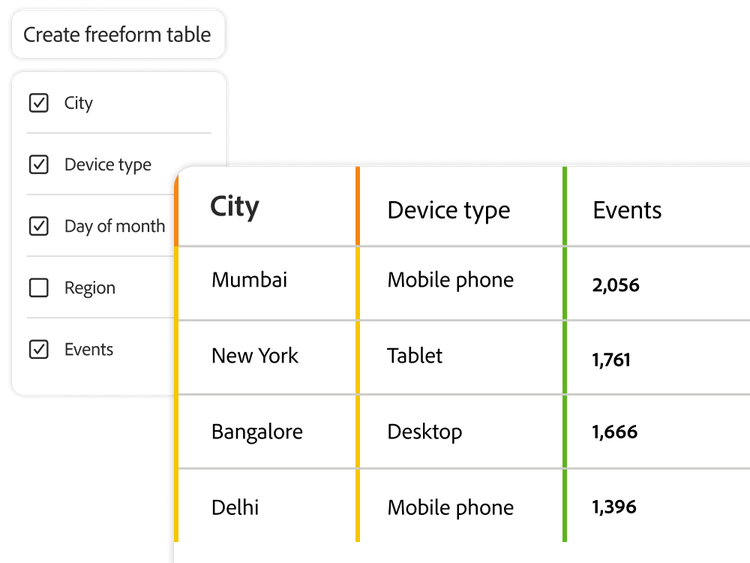
You can change session definitions, attribution models, calendar settings, dimension and metric naming and derived fields, all after data has already landed in Adobe Experience Platform, without reprocessing pipelines or rewriting collection code.
Derived fields specifically let you apply logic such as merging fields, splitting or reclassifying values or joining channel data at report time, so a new question about existing data usually means building a new view or field, not a new instrumentation project.
Customer Journey Analytics inherits its
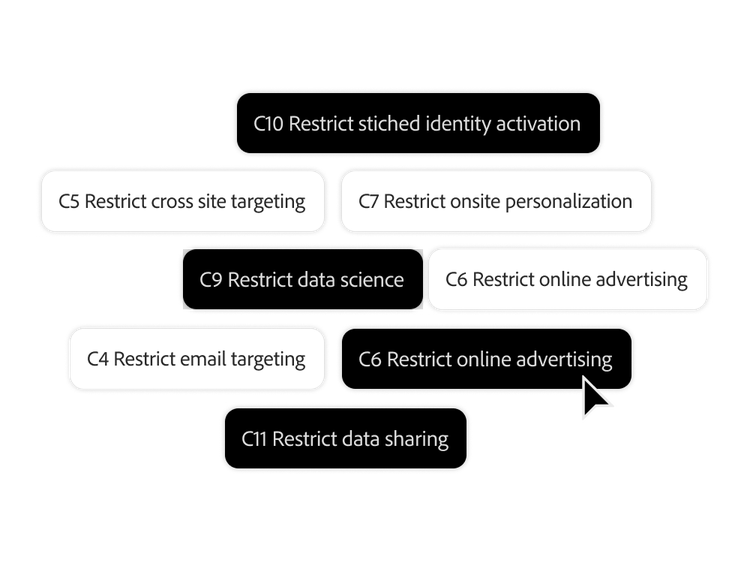
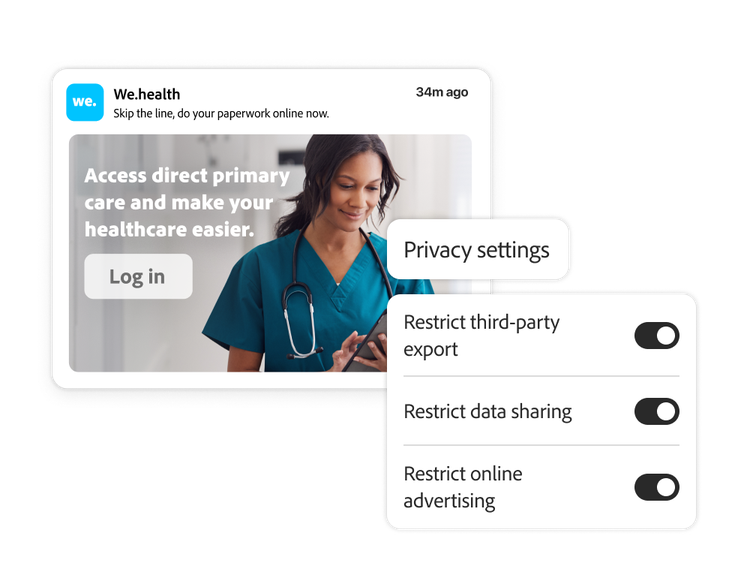
governance and privacy controls from Adobe Experience Platform rather than maintaining a separate policy layer. Sensitive fields carry AEP data-governance labels that warn or block users from building metrics or dimensions on them, those labels and warnings travel through to exports and API access and deletion requests are enforced at the AEP Data Lake level and propagated automatically to Customer Journey Analytics. You configure governance once, in Experience Platform and Customer Journey Analytics respects it rather than requiring a duplicate set-up.
Yes, through a
three-role permission model, Product Administrator, Product Profile Administrator and User, configured in Adobe Admin Console. An administrator grants a profile access to specific data views (or every current and future view, which Adobe itself flags to use with caution) and specific reporting tools and a Data View Filter can restrict a profile to a subset of rows, for example limiting a region's team to only that region's data, without giving them a separate, cut-down data view to maintain.
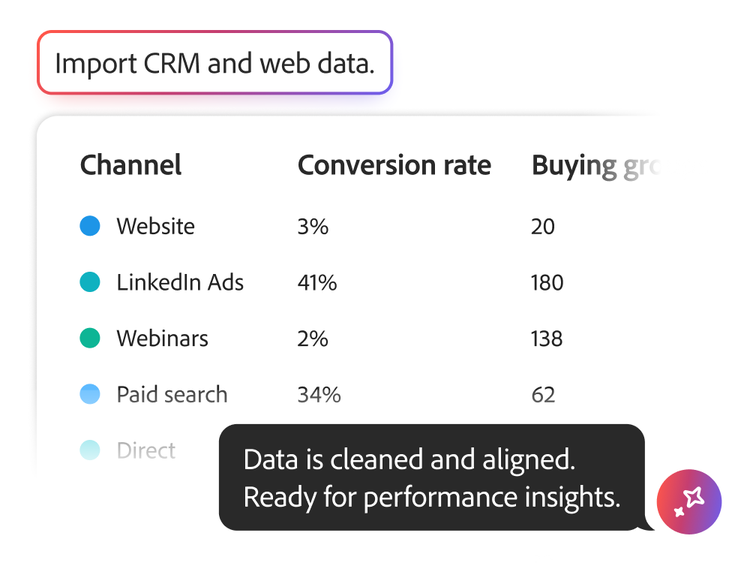
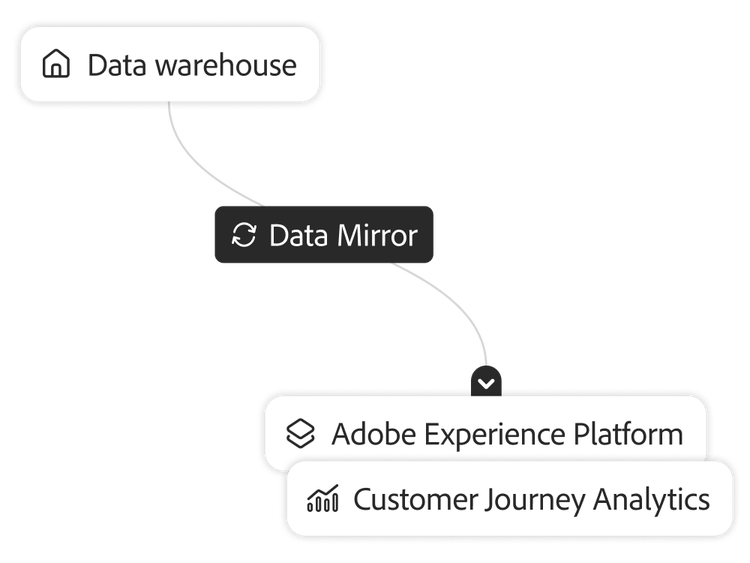
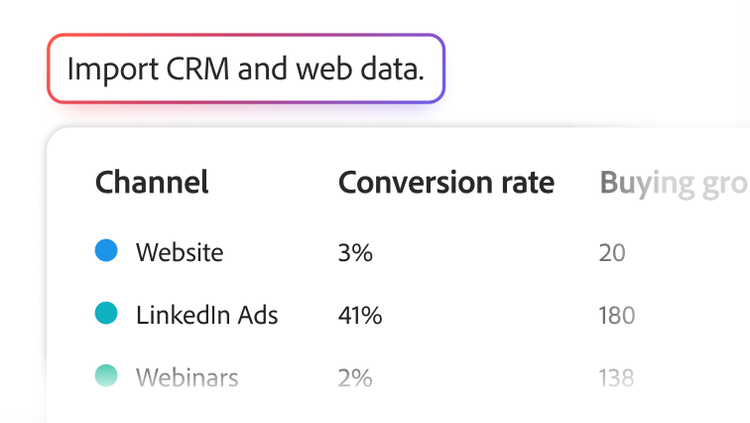
New data connections typically process into Customer Journey Analytics in under an hour and Adobe Experience Platform batch ingestion runs roughly every 15 minutes, so a new source is not a multi-week integration in the common case. Adobe's newer Data Mirror capability extends this further by synchronising changes from external systems automatically as they happen, rather than relying on a manually built and maintained pipeline for each new connection.