The future of search engine marketing involves understanding how online interactions, such as a paid search click, connect to offline behaviors and in-store experiences.
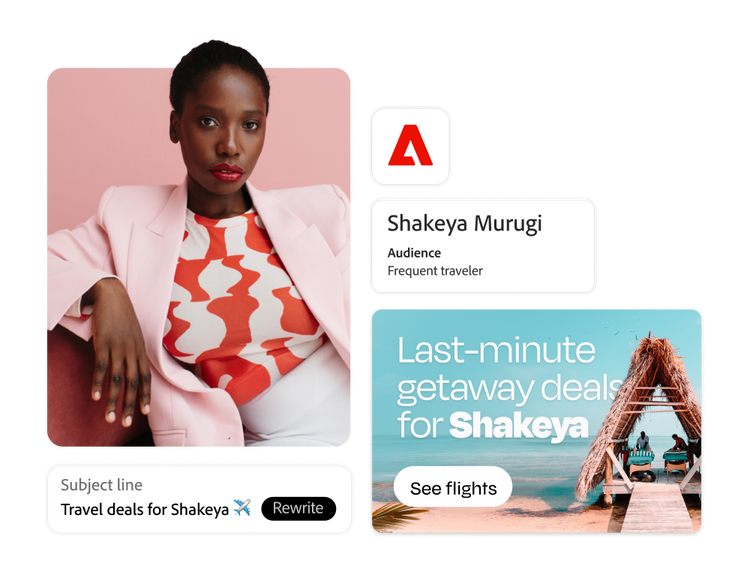
Future SEM strategies will focus on targeting audiences. Leveraging first-party data to identify user behaviors more specifically, making ads even more relevant and personalized will continue to be important.
The importance of semantic search
The foundational element of paid search has historically been the keyword. Marketers meticulously researched, selected, and bid on specific terms they believed their customers would use. However, AI has driven a decisive shift away from this narrow focus on keywords toward a more sophisticated and holistic understanding of user intent.
Search algorithms, powered by natural language processing, now prioritize the "why" behind a search query over the specific "what" of the words used. The system recognizes that users searching for "project management best practices" and those searching for "what is project management" share the same underlying intent, despite using different keywords.
This evolution has given a much larger and more powerful role to broad-match keywords.
In the past, broad match was often seen as a risky way to spend budget due to its potential for irrelevant matches. Today, it leverages semantic search technology to connect ads with a wide array of relevant queries, including those that do not contain the original keyword terms at all. This allows advertisers to reach a larger, more relevant audience, often at a lower cost, by trusting the AI to understand the contextual and semantic relationships between queries and ad content.
Simultaneously, voice assistants and AI chat interfaces make longer, more conversational search queries increasingly important to understand. Users are asking full questions rather than typing fragmented keywords. This requires marketers to optimize their campaigns for natural language, anticipating the conversational phrases and detailed questions their audience might use.
AI now integrates campaign management capabilities with automated, goal-based campaign types. These campaigns abstract away much of the manual setup and ongoing management, instead asking the marketer to define a business objective and provide the necessary inputs for the AI to pursue that goal.
The most prominent example is Performance Max (PMax). This campaign type uses AI to find customers and drive conversions across Google's entire advertising inventory, all from a single, unified campaign. Instead of bidding on individual keywords, marketers provide the system with "audience signals" (such as first-party customer lists or demographic information), "search themes" (topics relevant to the business), and a variety of creative assets (headlines, descriptions, images, and videos). AI then uses this information to test countless combinations of assets, channels, and audiences to find the most efficient path to the advertiser's specified goal, such as a target cost per acquisition (CPA).
AI-Powered Bidding and Ad Creation
At the most granular level of campaign execution, AI can now complete tasks and processes that once defined the day-to-day work of an SEM specialist.
Smart Bidding strategies are now the default for most campaigns. Rather than marketers manually setting and adjusting bids for thousands of keywords, AI-powered systems like Target CPA, Target ROAS (Return on Ad Spend), and Maximize Conversions use machine learning to make real-time bid adjustments for every single ad auction. The algorithm analyzes hundreds of signals in a fraction of a second — including device, location, time of day, language, and user behavior — to predict the likelihood of a conversion and set the optimal bid accordingly.
Creative development has also been automated with Responsive Search Ads (RSAs). With RSAs, marketers provide a pool of assets — up to 15 headlines and four descriptions — and AI dynamically assembles and tests them in thousands of different combinations. It learns over time which combinations perform best for various queries and user segments, effectively personalizing the ad creative for each impression. Recent platform updates have increased transparency, now providing marketers with real click and conversion data for each individual headline and description, offering more concrete insights into which messages resonate with the audience.
Get started with Adobe Advertising.
Adobe Advertising lets you plan, buy, and optimize ad spend across channels to increase conversions. Adobe Advertising activates first-party data from analytics and audience platforms to launch precisely targeted, omnichannel campaigns. This allows enterprises to break free from siloed ad metrics and draw a clear line between advertising investment and business results, making it an essential tool for creating a unified customer experience.
Watch an overview video or book a demo to learn more about using Adobe to create advertising campaigns.