Businesses have spent years gathering customer data, thinking that more data would automatically lead to better personalization. However, the real challenge is ensuring data is accessible to the right teams and turning that data into results. The shift from simply holding onto data to actually using it, is where true personalization comes to life.
Customers today expect more than basic personalization. They want brands to truly understand their needs, respond in real time, and provide value on their own terms. To deliver these personalized experiences at scale, marketing teams need to be able to quickly access their stored data.
To achieve this, marketers require a customer data platform (CDP) that can keep pace with ever-changing customer expectations. However, the reality is very different. Only 28% of organizations feel confident their current CDP will meet their needs over the next 24 months, according to The State of Customer Experience in an AI-Driven World report1. This highlights how much of the technology marketers rely on simply can’t keep up, making seamless real-time customer experiences feel like wishful thinking.
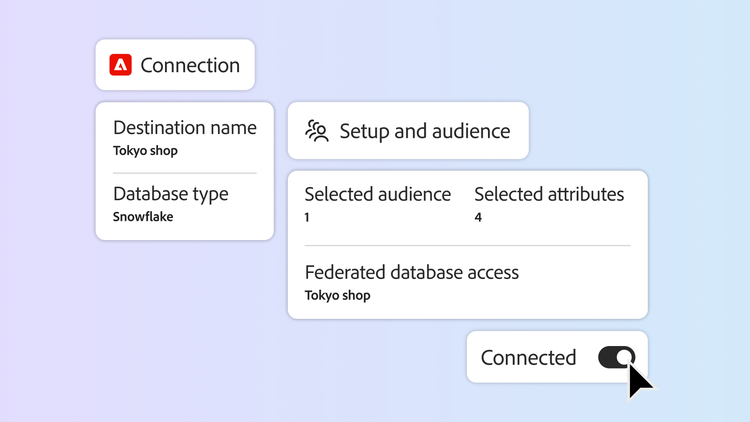
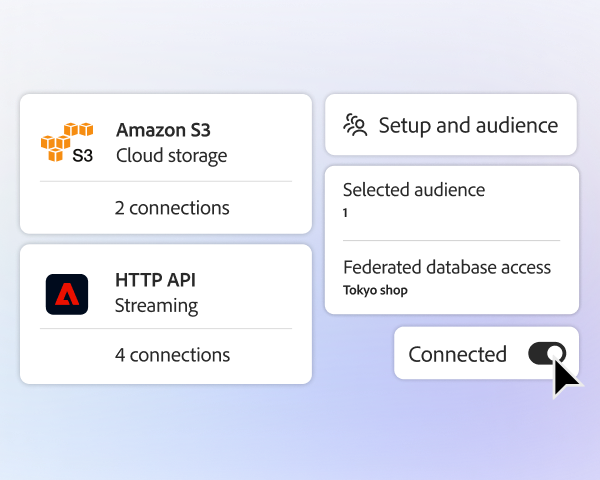
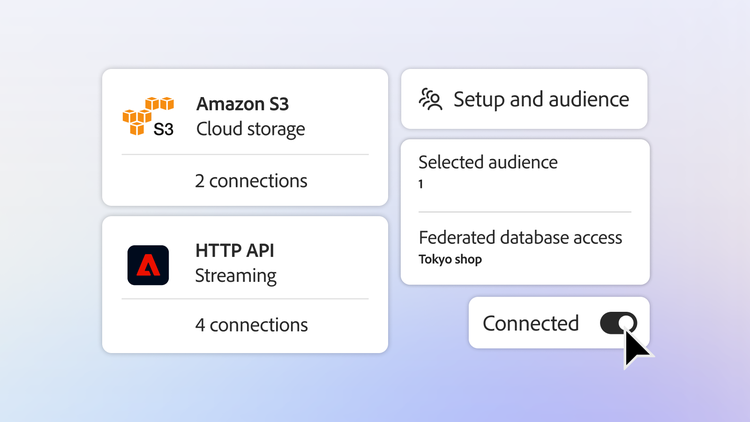
For example, a team spots a fresh customer trend and wants to pivot a campaign immediately. But that data lives in a warehouse that can’t be accessed without help. They file a request with IT, wait days for a pull, and by the time the numbers land, the moment is gone. Everyone knows the campaign could have performed better, it just couldn’t move fast enough.
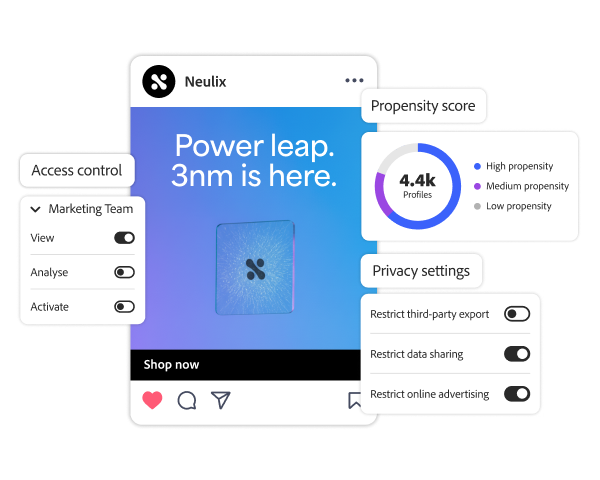
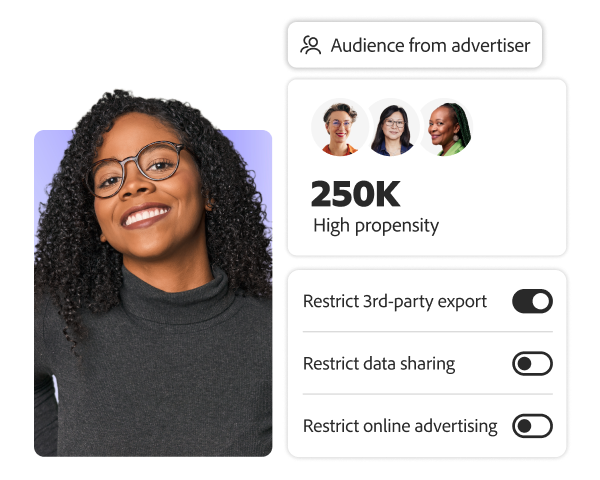
Privacy and security concerns add another layer of complexity. Moving data constantly isn’t an option because every transfer increases exposure and risk to customer information. As a result, marketers end up navigating with limited visibility — surrounded by data, but unable to use it when it matters most.