Creating a customer journey map involves a step-by-step approach to understanding your customers' experiences and identifying opportunities for improvement. This guide integrates such key components as the buying process, user actions, emotions, pain points and solutions.
Step 1: Set clear goals.
Start by defining the purpose of your journey map and ensuring that it aligns with your overarching business objectives. Involve cross-functional teams like marketing, sales and product design to gather diverse perspectives and create a comprehensive view.
- Example: A retailer aiming to reduce basket abandonment identifies the goal of uncovering friction points in the checkout process.
- Key question: What specific outcomes are you aiming to achieve with this journey map?
Step 2: Create customer personas.
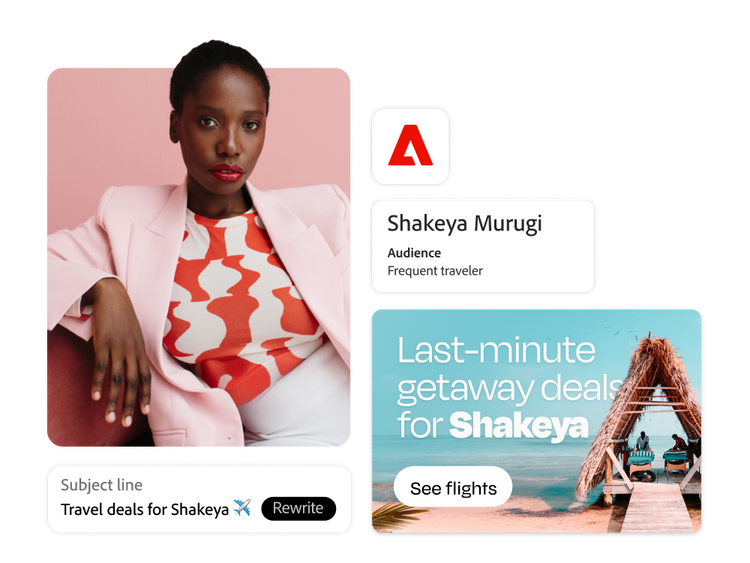
Segment your audience into detailed personas based on demographics, behaviours, motivations and pain points. Use a mix of data sources, including customer surveys, analytics and feedback, to ensure these personas reflect real customer experiences.
- Example: An ecommerce brand creates personas for frequent shoppers, first-time buyers and budget-conscious customers.
- Key question: What are the main goals, challenges and preferences of each customer persona?
Step 3: Identify touchpoints.
Map out all the touchpoints where customers interact with your brand, whether online, off-line or through third-party platforms. These touchpoints span the entire journey, from awareness to post-purchase engagement.
- Example: A financial services company identifies key touchpoints like website calculators, branch visits and customer support chats.
- Key question: Where do customers engage with your brand at each stage of their journey?
Step 4: Analyse pain points and emotions.
Assess each touchpoint for potential friction or moments of delight. Consider the emotions customers may feel — such as confusion, frustration or excitement — at various stages of their journey.
- Example: A SaaS provider finds that clients struggle with onboarding, leading to dissatisfaction early in the customer lifecycle.
- Key question: What challenges or emotions might hinder progress at each stage?
Step 5: Plot the journey.
Visualise the steps, actions, emotions and touchpoints for your target personas. Use tools like flowcharts, journey mapping software or even a simple whiteboard to make the journey accessible to your team.
- Example: A university maps the journey of international students, detailing every stage from discovery to enrolment.
- Key question: What steps do customers take and how do they feel at each stage?
Step 6: Validate and refine.
Put yourself in your customers' shoes by simulating the journey step by step or testing it with real customers. Gather feedback to uncover blind spots, validate assumptions and make iterative improvements.
- Example: A retail brand discovers through testing that their mobile app's navigation confuses users, leading to a 15% drop in conversions.
- Key question: What adjustments can improve the journey and align it with customer expectations?