AI-powered conversational commerce tools are changing how shoppers discover, evaluate, and choose products. Features like "recommended for you" sections have existed for years, but generative and agentic AI now make these experiences significantly more dynamic — adapting in real time to intent, context, and behavior rather than relying on static rules or basic collaborative filtering.
Shoppers interact with AI across two main categories: native on-site features integrated directly into a brand's retail experience — such as "recommended for you" sections, image search, and automated review summaries — and external generative AI chatbots like standalone LLM tools. The study found the top ways shoppers use these tools include.
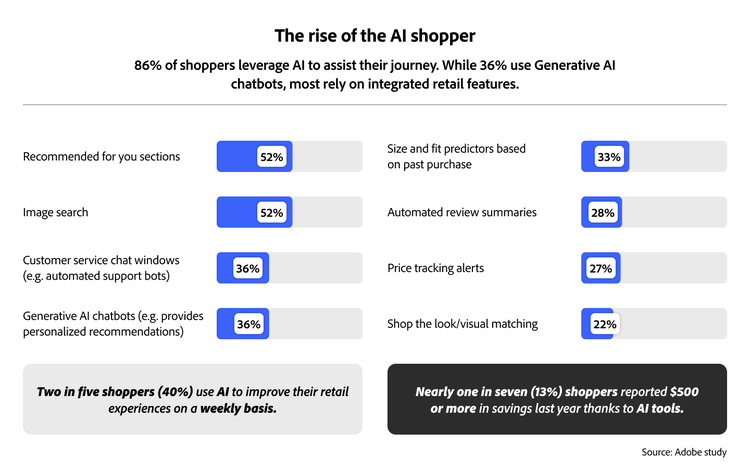
People are quickly moving beyond simple search to find what they need. 86% of shoppers are willing to use AI tools to assist them through their purchase journey. These tools are now a regular part of how people buy. In fact, two in five shoppers use AI to improve their retail experience on a weekly basis.
Shoppers interact with AI in several ways to find products and get help — ranging from passive, integrated features to active generative tools:
- 'Recommended for you' sections: 52%
- Image search: 52%
- Customer service chat windows: 36%
- Generative AI chatbots: 36%
- Size and fit predictions based on past purchases: 33%
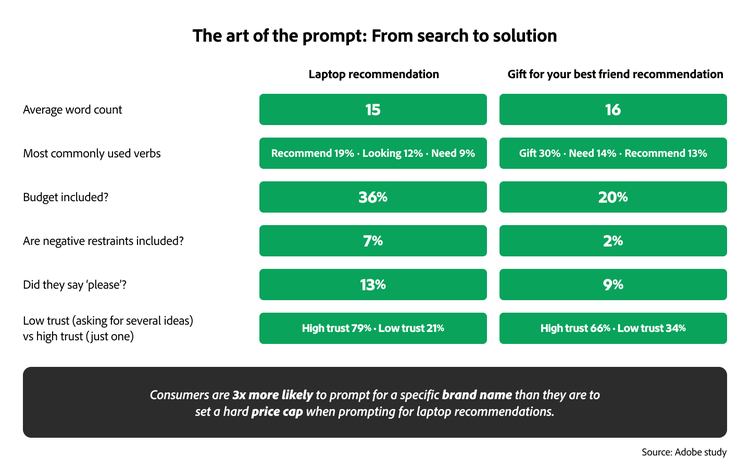
Of these, generative AI chatbots represent the most active and conversational form of AI assistance — and the category where agentic capabilities such as intent interpretation and dynamic response generation are most common. The findings suggest a growing shopper preference for guided discovery over active prompting. Consumers increasingly want results delivered intuitively, without needing to learn or navigate the interface themselves.
AI tools don't just personalize experiences — they deliver tangible value. Nearly one in seven customers report saving $500 or more using AI during their shopping journey, reflecting greater confidence that they found the right product at the right price.
Top purchase categories from AI-assisted recommendations.
AI-assisted shopping is more common in some product categories than others. Shoppers are more likely to use an AI shopping assistant for items with clear technical specs or style trends, including:
- Electronics: 40%
- Apparel and accessories: 39%
- Beauty and personal care: 32%
- Health and wellness: 31%
- Groceries and food delivery: 26%
- Toys and games: 24%
- Books and media: 22%
- Home goods and furniture: 20%
Certain groups find even more value in these personalized product recommendations. Among parents with children under 18, AI-assisted toy and game shopping outpaces the general population, with 37% using AI tools for this category compared to 24% of all shoppers.
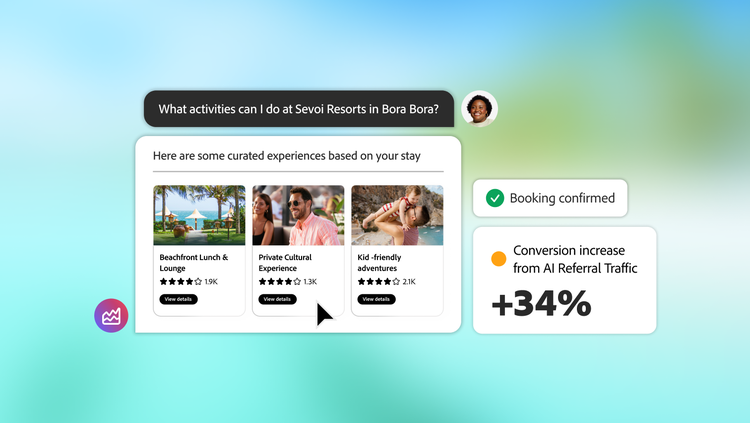
The value of these experiences depends on the quality of the data, content, and product context behind them. A size predictor is only useful if it can draw on relevant purchase and preference data. A "recommended for you" experience works best when it reflects more than a single session. Adobe Real-Time CDP helps unify customer data into real-time profiles, while Adobe Brand Concierge uses that context (alongside approved content, product knowledge, and conversational signals) to deliver more relevant guidance.
Together, as part of a broader Adobe experience architecture, Real-Time CDP and Brand Concierge help brands connect fragmented signals to personalized conversations. Rather than relying only on isolated clicks, brands can guide shoppers using richer profile data, behavioral context, and product information — enabling more relevant recommendations, smarter assistance, and smoother handoffs to human support when needed.