




64%
Customer satisfaction and loyalty (e.g., Net Promoter Score, retention, churn)





The media and entertainment industry has built a strong AI foundation — investing in unified customer data, content creation and discovery in ways that are already delivering real gains. But the industry has yet to extend that momentum into the consumer-facing and conversational workflows that increasingly drive engagement. Capturing the next wave of value will require closing the gap between a strong operational foundation and the agentic, audience-first experiences that earn lasting trust.
This overview explores the Adobe 2026 AI and Digital Trends findings across three critical areas for media and entertainment brands: building the operational foundation to scale AI, extending AI from discovery to engagement and aligning AI ambition to audience trust.

Section 1
Media and entertainment brands are investing in unified data and generative AI for content creation, with measurable gains in production speed and content accessibility. The next opportunity is to extend those gains across more workflows with agentic AI, backed by governance strong enough to scale with it.
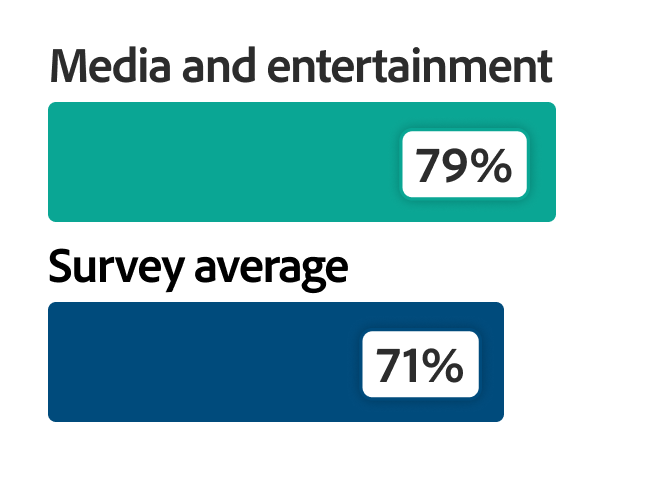
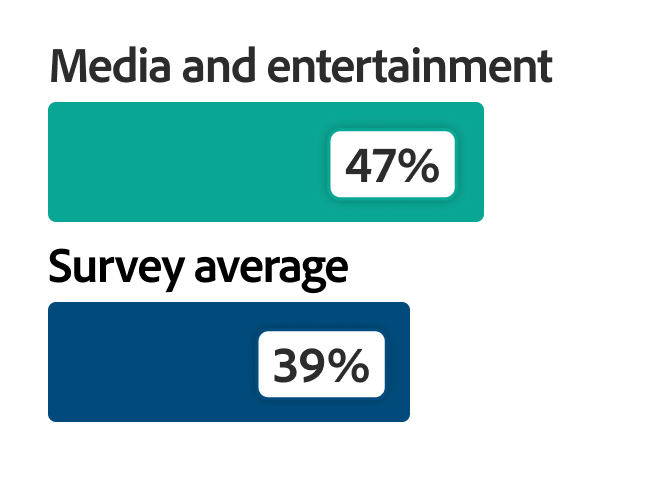



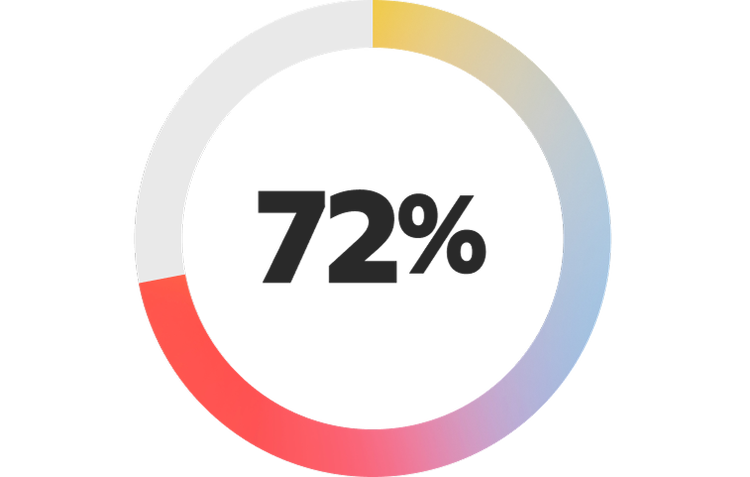
Assisting employees with research, insights or knowledge retrieval.
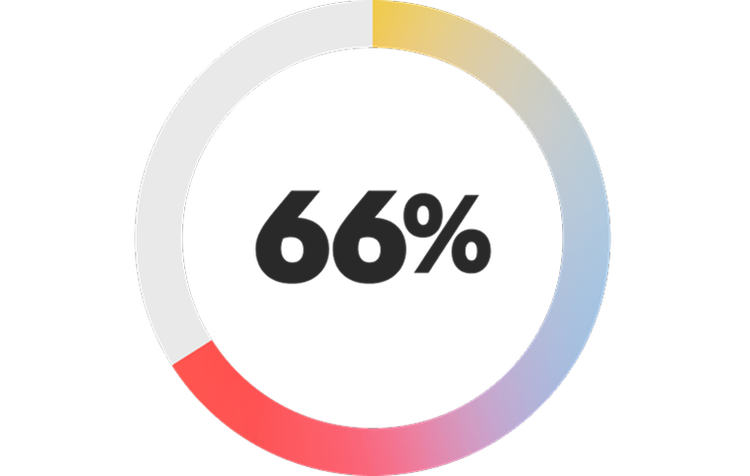
Optimising backend operations (e.g., supply chain, compliance, analytics).
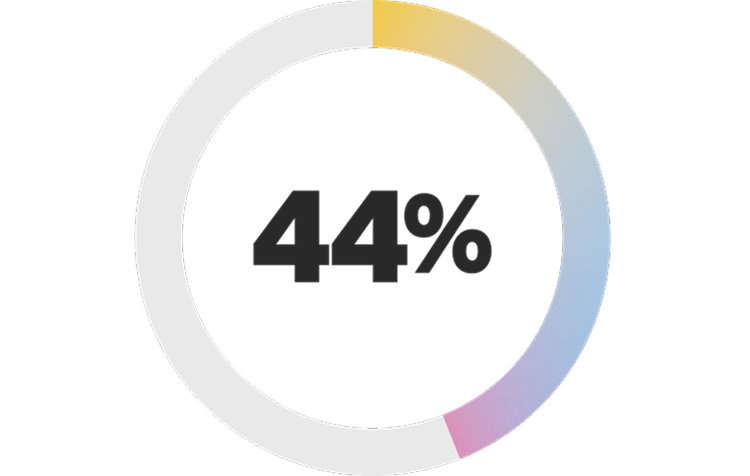
Creating content for marketing campaigns (e.g., original and derivative assets based on marketing briefs).

say they have strong AI governance policies in place.

say those policies are routinely followed.

Section 2
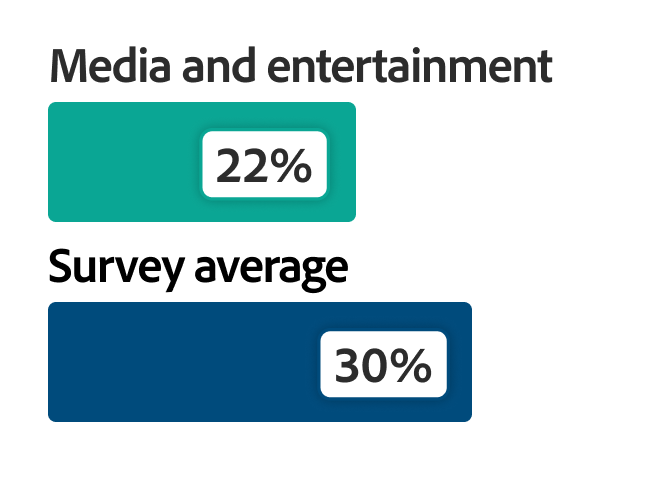
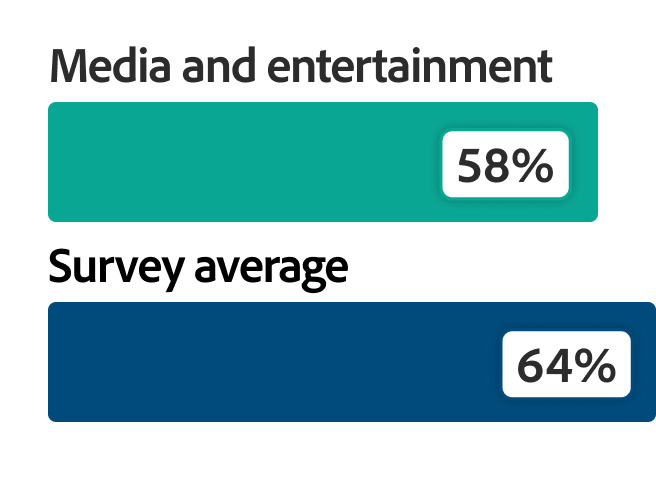
Consumers are increasingly turning to AI-mediated platforms for recommendations and engagement. While the industry is making strong progress in AI-powered discovery, it has yet to bring that same momentum to customer support, conversational experiences and service automation.
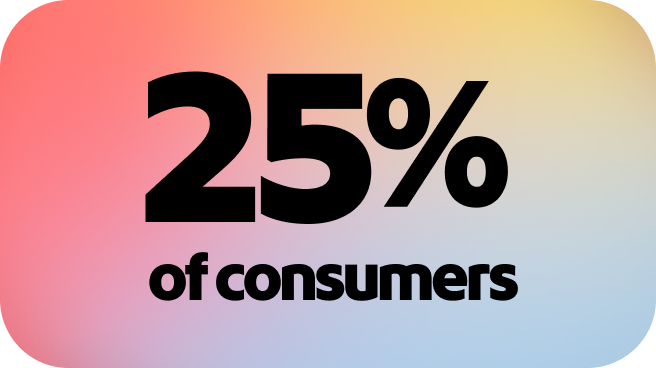


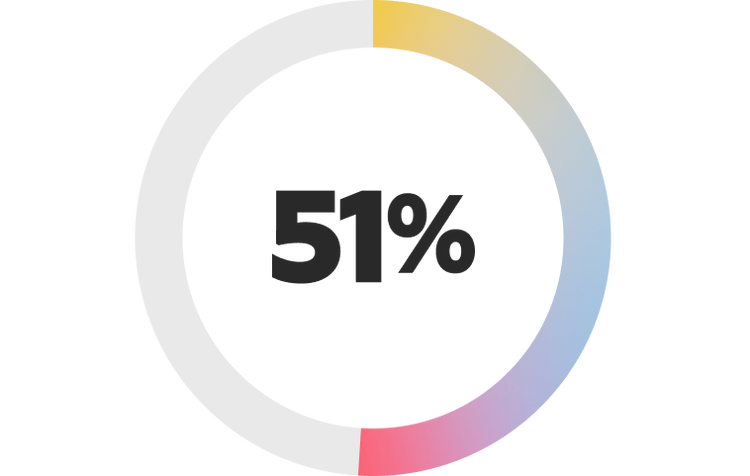
are preparing to optimise content for AI-powered discovery tools (e.g., structured metadata, content standards).
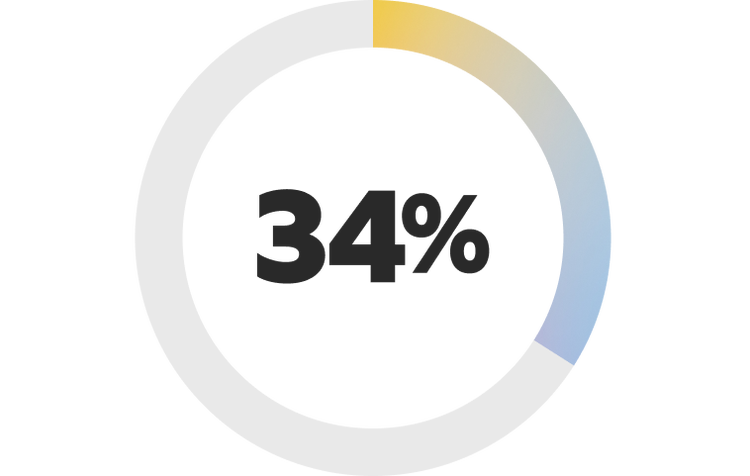
are using generative AI organisation-wide or across multiple functions for brand discovery and search optimisation.


Section 3
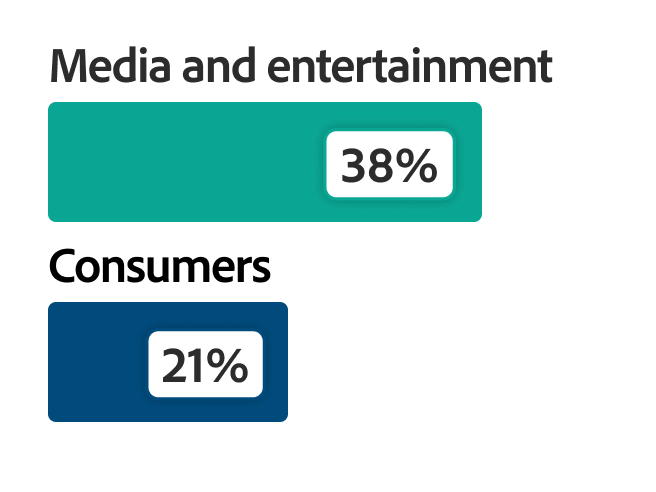
Media and entertainment brands place customer experience (CX) outcomes at the centre of their AI ambitions, yet they overestimate consumer readiness for fully agentic experiences. To secure trust and capture the next wave of AI value, the industry must incorporate transparency and human support into those interactions.
“Top” or “large” priority metrics for assessing the success of AI initiatives:
64%
Customer satisfaction and loyalty (e.g., Net Promoter Score, retention, churn)

56%
Operational efficiency and cost savings

54%
Revenue growth
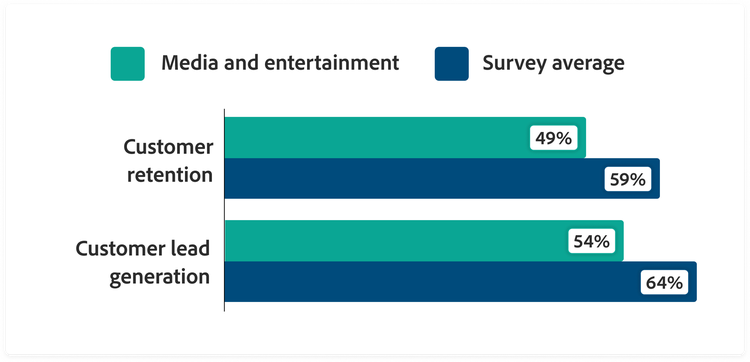
Percentage citing "significant" or "moderate" improvement in the following metrics over the past three years:
Percentage agreeing with each statement:
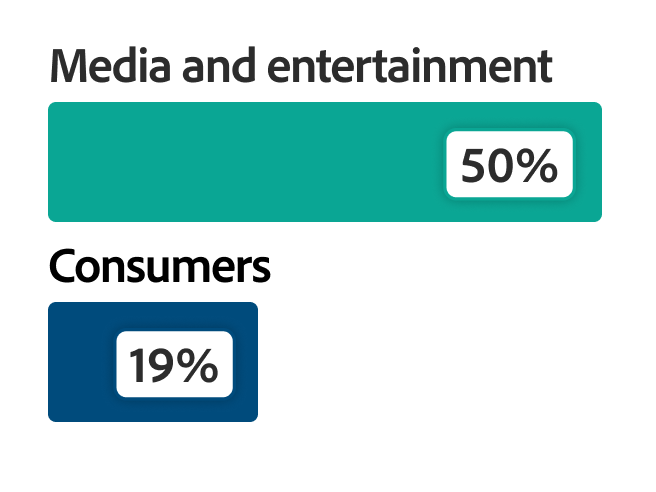
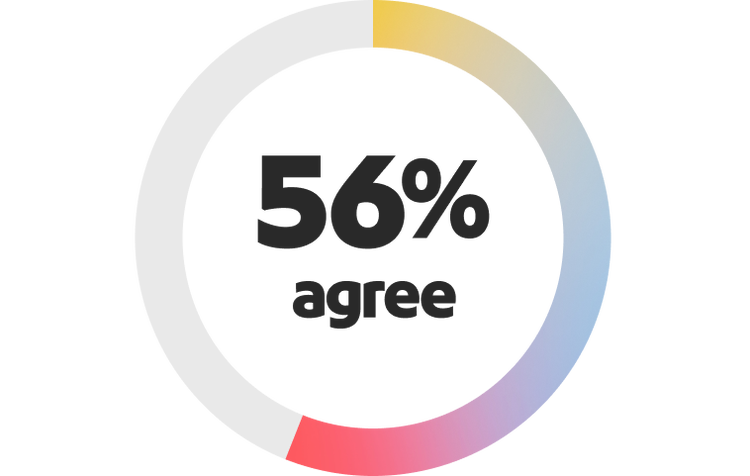
“AI will improve experiences for consumers.”
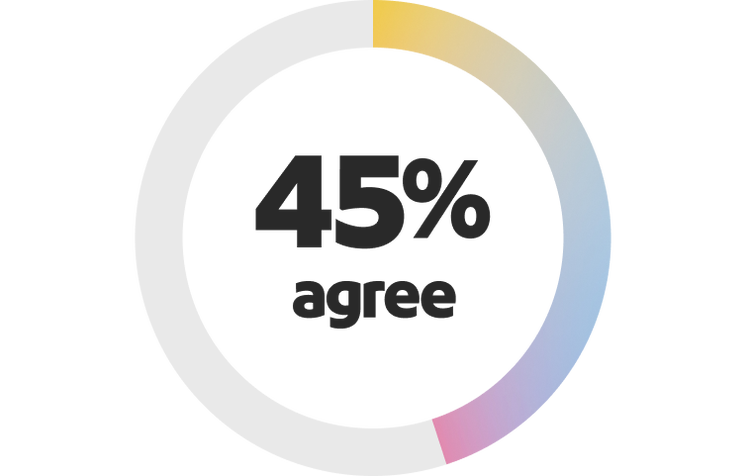
“As long as their needs are met, consumers won’t care whether a brand uses AI or not.”



Section 4

The industry’s AI ambitions are concentrated in internal workflows. Expand investment to conversational engagement and agentic customer service.

Optimise content for AI discovery now to stay visible as audiences start their journeys on AI platforms.

Prioritise clear disclosure, easy human escalation and human-in-the-loop review.
APPENDIX
For Adobe’s 16th annual AI and Digital Trends research, Oxford Economics, in partnership with Adobe, conducted global surveys of 3,000 executives and practitioners and 4,000 customers to better understand how organisations are leveraging AI to capture customer interest, build brand loyalty and augment customer experience (CX) workflows — and how customers are responding to these changes. The surveys were fielded online and via computer-assisted telephonic interviewing (CATI) from October through November 2025. “Media and entertainment” refers to a global set of executives and practitioners from organisations in the media and entertainment industry. This group makes up 17% of respondents and represents a wide range of business sizes. View the 2026 AI and Digital Trends report for more on the full research methodology.