What is B2C marketing? A guide for marketing leaders.

Adobe for Business Team

03-09-2026

B2C (business-to-consumer) marketing plays a central role in how brands attract, engage and retain consumers. As buying behaviour continues to shift across digital and physical touchpoints, successful B2C strategies must account for changing expectations around convenience, personalisation and speed.

Consumers interact with brands through websites, mobile apps, social platforms, email and in-store experiences, often moving between channels before making a purchase. This complexity means marketers need a clear understanding of how to reach audiences effectively, deliver relevant experiences and drive measurable results.

This post will cover:

What is B2C marketing?

B2C marketing refers to the strategies brands use to promote products or services directly to individual consumers. This model focuses on influencing personal purchasing decisions, often across large audiences and shorter buying cycles than those seen in B2B (business-to-business) marketing.

B2C marketing applies to both physical and digital commerce, including in-store retail, ecommerce, mobile apps and subscription-based services. Most well-known consumer brands operate using a B2C model, offering products or experiences designed for everyday use.

Examples of B2C brands include Amazon, Walmart, Google and Facebook, all of which market directly to consumers through digital channels, personalised experiences and high-volume campaigns.

What is the difference between B2B and B2C marketing?

B2B and B2C marketing share common goals like driving growth and loyalty, but they differ significantly in audience, buying behaviour and execution. Understanding these differences helps marketers choose the right strategies, channels and technologies for their customers.

Key differences include:

These differences shape how brands design customer journeys, measure success and deliver experiences across channels.

Effective B2C marketing strategies.

A successful B2C strategy is more than individual campaigns. It’s a co-ordinated approach across channels designed to create a seamless and engaging customer experience. Marketers focus on these core strategies to attract, engage and retain consumers.

High-quality content builds trust and delivers value beyond the product. This includes videos, blog posts, how-to guides and user-generated content that foster community. A robust digital asset management (DAM) system helps organise, store and distribute content efficiently across channels, ensuring consistency and brand alignment.

Social media is where brands and consumers connect directly. Successful B2C marketers engage communities, respond to feedback, collaborate with influencers and tell their brand story authentically. Social channels help build personality, loyalty and awareness.

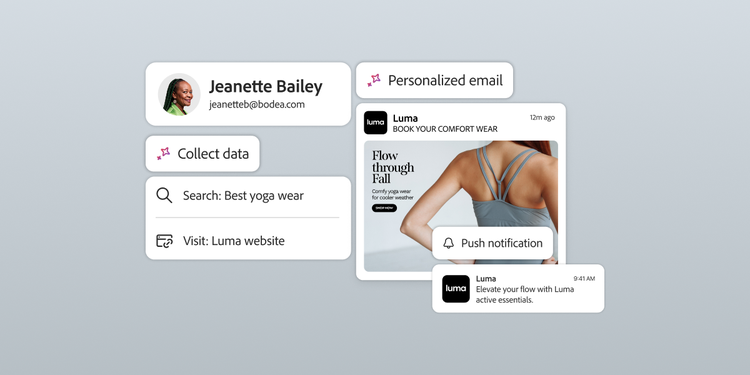
Smartphones are often the first point of contact for consumers. Mobile marketing strategies include in-app messages, push notifications and SMS/MMS campaigns. A seamless mobile app experience drives engagement, loyalty and repeat business.

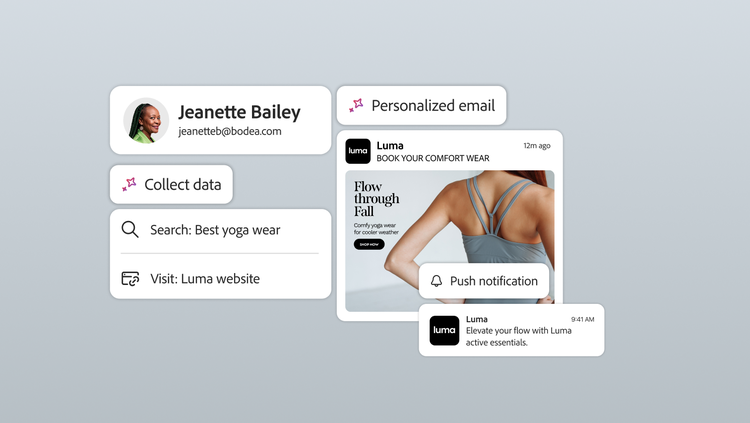
Email marketing goes beyond generic blasts. Personalised campaigns leverage real-time customer behaviour, such as abandoned baskets or recent purchases, to deliver relevant messages, offers and recommendations that nurture customers throughout their lifecycle.

SEM increases brand visibility on search engines through paid advertising and organic optimisation. B2C marketers capture high-intent customers when they search, combining pay-per-click (PPC) campaigns for immediate results with long-term SEO strategies to build organic authority.

Consumers interact with brands across multiple touchpoints and expect a seamless experience. An omnichannel approach ensures consistent messaging across websites, mobile apps, in-store environments and chatbots. Co-ordinating these journeys requires technology capable of delivering timely, personalised interactions at every step.

Challenges in B2C marketing.

B2C marketing offers enormous opportunities, but leaders face several key challenges in today’s environment:

Data and technology in B2C marketing.

Effective B2C marketing today relies on both clean data and the right technology. Brands need a tech stack that can collect, unify and act on customer insights to deliver relevant experiences at scale. Investing in these tools is essentially investing in stronger customer relationships.

First-party data, collected directly from customers with their consent, provides accurate insights into preferences, behaviours and needs. Using it effectively allows brands to deliver personalised experiences that build loyalty and trust.

Customers interact with brands across websites, apps, shops and call centres. Often, data from these touchpoints is siloed, creating fragmented views of the customer. A real-time customer data platform (CDP) unifies these signals into a single profile for each customer. This 360-degree view enables consistent personalisation across all channels.

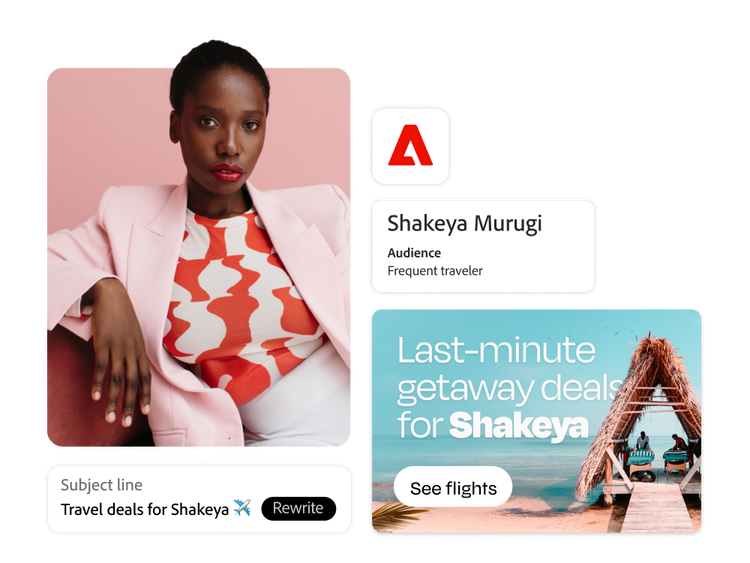
Consumers now expect every interaction to be relevant and tailored to their needs. Brands that deliver personalised experiences consistently build stronger loyalty, engagement and revenue. Tools like Adobe Target allow marketers to test and optimise digital experiences in real time, while Adobe Journey Optimizer helps orchestrate individualised journeys across channels, ensuring each customer receives the right message at the right moment.

To improve and prove ROI, marketers need a complete view of performance. Moving beyond siloed metrics, solutions like Adobe Analytics connect data across channels to measure engagement, conversion and customer lifetime value. This insight allows brands to refine strategies and deliver measurable results.

The B2C space is constantly evolving, driven by shifts in consumer behaviour, technology and market expectations. Staying ahead requires brands to adopt new strategies and tools that enhance engagement and drive growth. Key emerging trends include:

Staying attuned to these trends allows B2C marketers to innovate, engage more meaningfully and maintain a competitive edge in a crowded market.

Turning B2C insights into action with Adobe.

By leveraging clean first-party data, unified customer profiles and AI-driven personalisation, brands can deliver relevant, timely and engaging experiences that drive loyalty and growth. Adobe Experience Cloud provides a comprehensive suite of tools that help B2C marketers collect insights, orchestrate journeys and measure impact across channels, making it easier to turn data and technology into measurable business results.

https://business.adobe.com/fragments/resources/cards/thank-you-collections/generic-dx