A brand knowledge graph is a machine-readable representation of the relationships within enterprise brand knowledge. While traditional knowledge graphs are designed to support search and information discovery, brand knowledge graphs serve a more focused role within brand intelligence. The information in brand knowledge graphs supports AI-assisted content creation and evaluation while helping teams apply brand standards more consistently across guideline documents, assets, campaigns, systems and brand decisions.
A brand knowledge graph captures information from formal brand resources, as well as how employees apply that information in practice. These connections show where brand standards apply and how they have been used across the organisation. For example, a guideline may govern a particular product or market and an approved asset can show how that guidance was applied for a specific campaign and audience. Compliance requirements, design standards and other brand rules can be represented within the same structure. Preserving these relationships creates a holistic view of how brand knowledge connects to the work it governs.
The decisions teams make over time also contribute to brand knowledge. Reviewer approvals, rejections and feedback can show how a standard was interpreted for a particular situation and why that interpretation was considered appropriate. Capturing that judgement gives the knowledge graph access to practical guidance that may not appear in formal documentation.
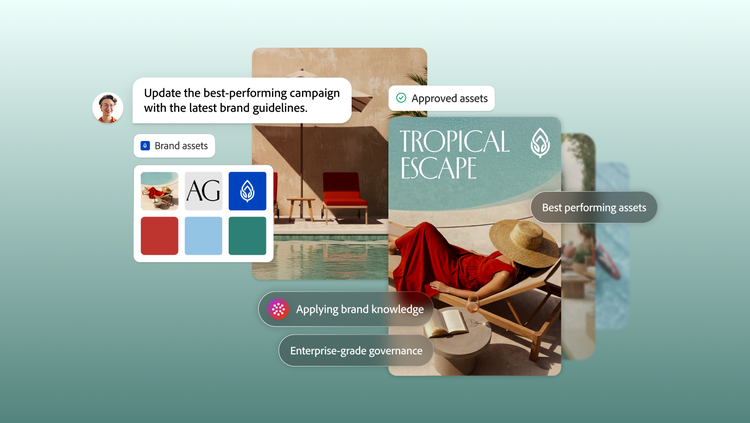
For AI systems, the relationships captured in the knowledge graph help identify which brand information applies to a particular campaign. The system can also reference similar approved work to understand how those standards have been applied in practice. For example, suppose a team is adapting an existing social campaign for a new market. The knowledge graph can connect that request to the applicable market-specific guidance and reference previously approved campaign assets created for similar audiences or channels. That gives the AI system more context for how the new asset should be created or evaluated.
By connecting documented standards to how they are applied in practice, a brand knowledge graph creates a richer representation of the brand than static guidelines can provide on their own. This helps AI systems use that information to interpret established standards more consistently across enterprise workflows.
Brand knowledge graphs vs. brand ontologies.
Brand ontologies and brand knowledge graphs work together, but they represent different layers of brand intelligence. A brand ontology defines the structure that organises brand knowledge. It establishes the concepts an organisation recognises, along with the attributes and relationships that give those concepts meaning. A brand knowledge graph applies the ontology to enterprise information while learning from and improving that knowledge through repeated iterations.
The distinction becomes clearer when the same relationship is viewed at each layer. Suppose Campaign An is designed to reach Audience B. At the ontology level, “targets” can be defined as a type of relationship that connects a campaign with an audience. The knowledge graph then records the actual relationship: Campaign A targets Audience B. Other brand information can be connected to that relationship as the organisation builds knowledge around the campaign and its audience.
This knowledge mapping helps brand intelligence systems interpret information consistently. As guidelines, assets and other brand information are integrated into a knowledge graph, the ontology provides a framework for understanding how each element relates to the rest of the brand.