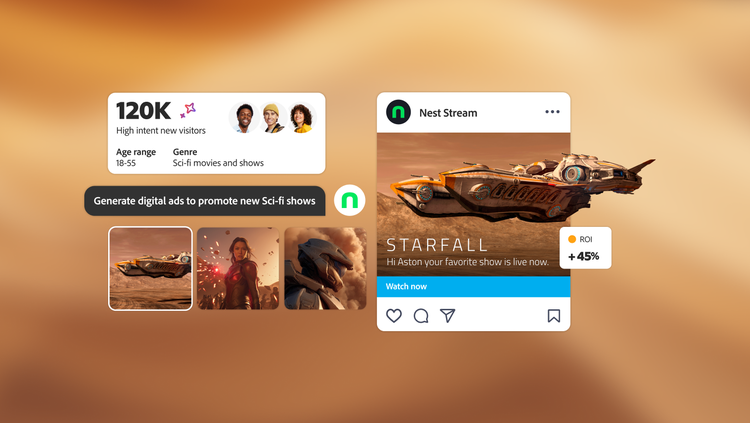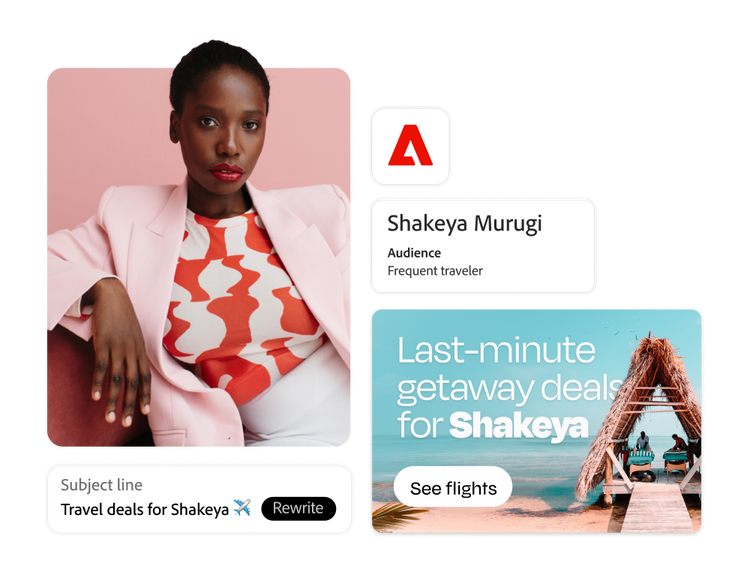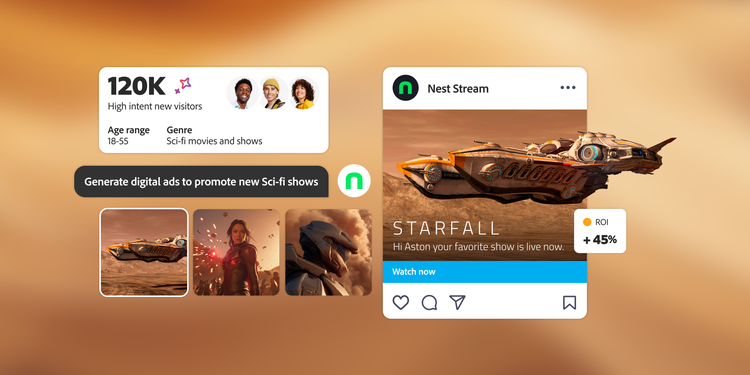
The media and entertainment industry isn’t just transforming, it’s reaching a breaking point. Today, audiences have more choices than ever before and expectations for personalized, connected experiences are rapidly rising. From streaming platforms to publishers and gaming companies, brands are facing mounting pressure to deliver relevant, engaging experiences while finding new ways to grow revenue and strengthen loyalty. The next competitive advantage in media and entertainment is likely to come from orchestrating relevance, not expanding content libraries.
What’s changed is not the demand for content — it’s the speed at which relevance collapses when discovery fails. At the heart of this evolution is AI — it is now the operating layer behind discovery, engagement, and decision-making, and is no longer a side experiment. Adobe’s 2025 State of Customer Experience in Media & Entertainment in an AI-Driven World report highlights how leading brands are deploying AI to strengthen engagement and remove operational drag in ways that can create new growth paths.
Audiences expect more, and they’re getting it.
Today, media consumers don’t just want content — they want personalized, meaningful experiences. Whether it’s a customized streaming recommendation, an interactive mobile experience, or dynamic content across connected devices, audiences expect seamless journeys based on their needs and preferences. Every missed recommendation or broken handoff now shows up immediately as churn.
This expectation is reshaping how media and entertainment organizations think about customer experience. Traditional broadcast and distribution models simply can’t keep up with how audiences behave today. Even world-class content underperforms when discovery is clunky, fragmented, or misaligned with intent. Instead, success now hinges on a brand’s ability to understand individuals at scale and deliver experiences that feel personal and consistent, no matter which screen they show up on.
AI is central to this shift. It reveals what viewers do, not what dashboards assume they do. It helps brands analyze complex audience behavior, power real-time personalization, and create adaptive experiences that evolve with customer intent. This isn’t just about automating tasks — it’s about elevating relevance.
Here’s how AI is already reshaping how audiences engage, and it’s happening faster than most organizations realize.
Personalized and seamless cross-device journeys.
One of the most significant shifts identified in the Adobe report is the role of AI in crafting personalized cross-device journeys. In an ecosystem where viewers switch between mobile apps, streaming platforms, social channels, and in-app experiences, AI helps brands deliver a coherent narrative.
AI-driven systems can synthesize data from multiple sources (e.g., engagement history, contextual signals, and real-time interactions) to tailor content and recommendations on the fly. Rather than static user profiles, advanced models enable dynamic personalization that adapts to changing interests and behavior.
The shift toward enhanced models is already in motion across the media and entertainment ecosystem — and here’s what industry leaders can achieve with these innovations:
- Streaming services can use predictive algorithms to surface fresh content that aligns with a viewer’s preferences before they even search for it.
- Publishers can curate article feeds based on reading patterns and context, increasing time spent and loyalty.
- Gaming platforms can deliver real-time challenges and rewards that reflect a player’s unique gaming style and progression.
The result? Experiences that feel less like one-size-fits-all and more like a conversation between a brand and its audience.
Efficient content discovery can drive a competitive edge.
While personalization enhances engagement, it directly impacts content discovery — the process by which audiences find what they care about in an increasingly crowded landscape. AI plays a critical role here, especially as users adopt search behaviors driven by natural language and conversational interfaces. In fact, the media and entertainment industry doesn’t have a content problem, it has a findability problem. When the right title doesn’t surface fast enough, abandonment spikes.
As discovery becomes more contextual and intent-driven, brands that can optimize for these behaviors will win. AI systems can analyze how audiences look for content, what they engage with, and how those preferences shift over time, thereby enabling smarter recommendations, better search relevance, and ultimately more satisfied audiences.
Embracing AI in discovery is not just a technical evolution, it’s a strategic differentiator in a market where discovery friction determines winners.
Unified data and smarter operations.
Personalization and discovery both rely on unified audience data. However, many media and entertainment organizations still work across disjointed systems — analytics here, content tools there, advertising platforms somewhere else — none of them speaking the same language. Fragmented data doesn’t just slow teams down, it breaks the experience in real time.
AI can help bridge these gaps, but only when data is centralized and accessible. Brands that invest in connected data architectures, such as real-time customer profiles and interoperable platforms, can unlock the full potential of intelligent personalization.
Globally, leaders are increasingly considering unified profiles as the operating system of their experience engine because the payoff is twofold:
- Operational efficiency: Automated workflows and AI-assisted decisioning reduce manual effort and accelerate execution.
- Audience insights: Unified data drives better customer segmentation, deeper understanding of their behavior, and more effective optimization of content and experiences.
In this sense, AI isn’t just a tool — it is the backbone of a system that can enhance the pace and quality of decisions teams make every day.
Challenges and opportunities.
Despite the potential shown by AI, many media and entertainment organizations are still in early stages of adoption. Barriers such as legacy infrastructure, data silos, and skill gaps can slow progress. In addition, the responsible use of AI (balancing innovation with privacy, trust, and transparency) is a critical consideration for brands operating in regulated environments.
Yet the rewards for leaders are significant — forward-thinking organizations are already seeing benefits from AI-driven workflows and personalization, including increased engagement, stronger loyalty, and new monetization opportunities. The gap between expectation and delivery is no longer a customer experience issue, it’s a revenue leak.
What lies ahead: Experience as the new differentiator.
The media and entertainment landscape will continue to evolve rapidly. As competition intensifies and consumer expectations rise, brands that embrace AI-enabled experiences, unified data, and agile operations will lead the next wave of innovation.
The next era of growth in media and entertainment will be defined by how effectively brands orchestrate relevance across every screen, feed, and interface. In an industry defined by creativity and connection, the use of AI as the foundation for delivering experiences that earn attention, reduce friction, and drive measurable lifetime value will determine who thrives in the years ahead.
Read the full report to understand how leading media and entertainment brands are closing the personalization and discovery gap, and where your organization sits in the landscape.
Gaurav Mallick is Senior Global Industry Strategist for Media, Entertainment, and Telco at Adobe, where he helps organizations reimagine how they create, deliver, and optimize customer experiences in an AI first world. He partners with industry leaders and Adobe’s global teams to translate emerging market pressures (shifts in discovery, rising content demands, and evolving monetization models) into actionable strategies. With 15+ years of experience across sports, streaming, publishing, and telecomadjacent organizations, Gaurav brings a practitioner’s perspective to experience orchestration, data unification, and content supply chain transformation. His work focuses on helping brands compete on relevance, accelerate personalization, and build durable value across every screen and surface.