“You have to be a disruptor in this space or you’re going to be disrupted, and you really don’t want to be second.”
Impact of AI on the Workforce,
PwC





JUMP TO SECTION
AI is transforming work, but workflows haven’t caught up
Stakes high as AI adoption outpaces workflow transformation
New ways of working to unlock productivity gains
Human-centered workflows amplify AI success
Upskilling transforms AI adoption into AI fluency
Real transformation happens when AI becomes part of the way work flows across an organization. This guide explains how to elevate productivity, accelerate decision-making, and strengthen collaboration through AI-powered workflows that connect teams and reduce operational friction. You’ll find guidance on developing AI-ready talent, aligning processes with intelligent work systems, and building the capabilities needed to scale quality and output. With clear insights and actionable takeaways, the guide equips leaders to turn AI investments into meaningful, measurable business outcomes.
The way we work is changing faster than ever. AI is quickly evolving from being a generative tool to becoming an agentic collaborator that can analyze information, create ideas, and support decisions in real time. It’s increasingly woven into daily workflows across teams, reshaping roles and redefining what productive work looks like in a connected, intelligent workplace.
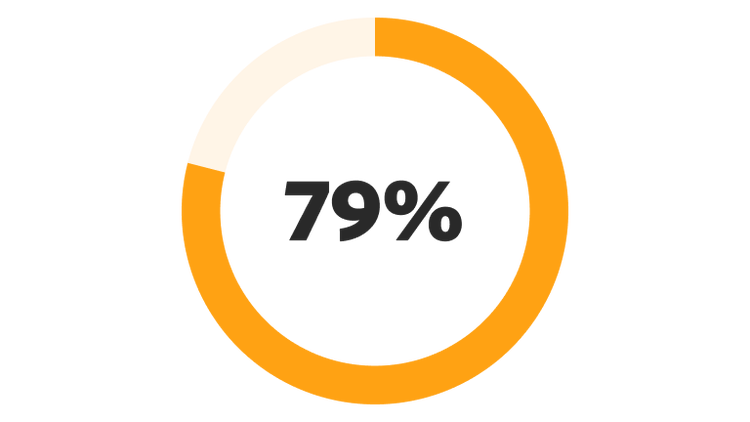
Adoption has reached a tipping point. Nearly four in five organizations are now using AI in at least one business functioni, reflecting how deeply it has become embedded in day-to-day operations. And the impact is tangible. Productivity growth has surged almost 4x in industries most exposed to AIii.
“You have to be a disruptor in this space or you’re going to be disrupted, and you really don’t want to be second.”
Impact of AI on the Workforce,
PwC
Yet these gains remain uneven. Many organizations are using AI in pockets, without rethinking the underlying systems that govern how work gets done. As a result, manual, disconnected workflows continue to slow execution and dilute impact.
In fact, 88 percent of employees say they rely on email, to-do lists, or other ad hoc methods to manage workiii, creating silos that block collaboration and innovation. The disconnect is clear: AI tools are advancing rapidly, but the systems that coordinate, prioritize, and connect work across teams haven’t kept pace.
Addressing this requires a new architecture, where intelligence flows through the systems that plan, coordinate, and measure work. An AI-powered, integrated work management model brings together people, processes, and technology to modernize operations, enhance collaboration, and translate AI’s potential into sustained performance.
AI’s potential to boost productivity and unlock new forms of value is no longer in question, but how organizations capture that value is. The real differentiator will be how effectively organizations rewire their workflows to translate AI adoption into measurable performance.
Our research shows the business case is undeniable. Companies investing in AI can realize an average 7.1x net ROI over three years — nearly $200 million in annual valueiv. But where that value comes from is shifting.
Industry-wide, the productivity upside is massive. AI-driven improvements could add $2.6 to $4.4 trillion annually to the global economy, with most of that value coming from marketing, sales, customer operations, software engineering, and R&Dv.
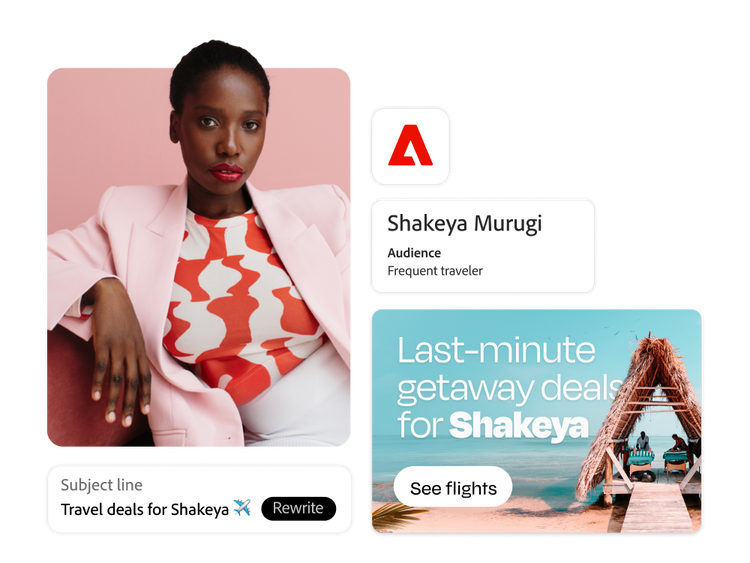
For marketing and customer experience teams specifically, the opportunity extends far beyond efficiency: AI is helping turn content from a cost center into a growth engine for personalized experiences at scale. Organizations that master content velocity and personalization can accelerate time-to-market, deepen customer engagement, and drive measurable revenue growth.
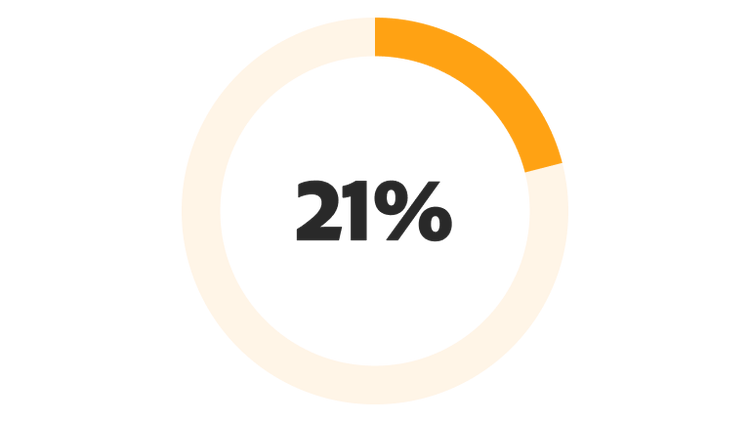
But realizing that value isn’t guaranteed. It requires structural change. Many enterprises have embraced AI, but their underlying workflows remain fragmented and manual. Only 21 percent of organizations using generative AI say they’ve redesigned even part of their processes, leaving most teams unable to turn experimentation into sustained impactvi.
The result is a widening gap between what AI can deliver and what teams are equipped to execute. As the pace of AI innovation continues to accelerate, the gap between leaders and late adopters will only widen further.
Closing this transformation gap means going beyond automation to focus on the three dimensions of work where AI can create sustained enterprise value: productivity, collaboration, and talent development.
Organizations that embed AI across their core operations will redefine efficiency, creativity, and scale — and strengthen their ability to deliver personalized, connected experiences that deepen brand loyalty and trust. Those that don’t risk being left behind.
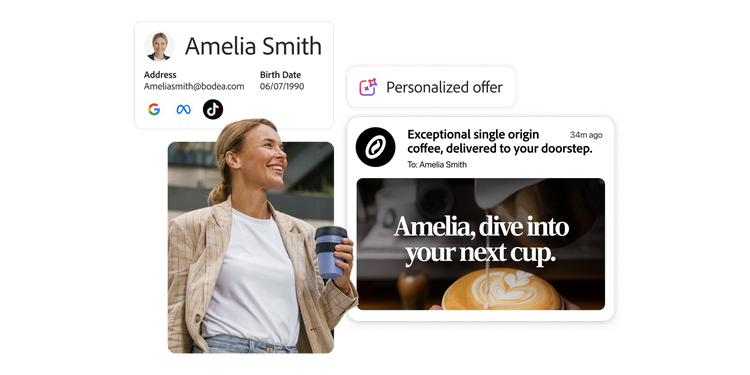
As brands race to deliver personalized experiences, content has become the biggest bottleneck to marketing speed and scale.
Closing that gap requires building agile, AI-enabled systems that can create, adapt, and activate content at the pace customers expect.
Read the full Growth Unlock report here.
Traditionally, productivity has been viewed through a narrow lens of efficiency and cost reduction. But with the growing use of AI, it needs to reflect how effectively organizations turn capacity into creativity and insight into business outcomes.
As enterprises rewire their systems to capture AI’s full value, their success will depend on how well they combine automation that frees time with intelligence that improves decisions, reinforced by workflows that connect planning, creation, and execution across teams.

see improved team efficiency.

see faster idea generation.
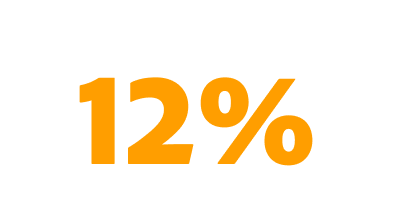
demonstrate clear ROIvii.
Research shows that generative AI could impact up to 44% of all working hours, either by automating tasks or enhancing how they’re performedviii. Whether it’s drafting an internal analysis, brainstorming campaign ideas, or creating marketing copy, AI tools help employees spend less time on routine tasks.
And the impact is already visible, with 53 percent of senior executives using generative AI reporting significant improvements in team efficiency. Half also say they’re seeing faster idea generation and content creation within their organizationsix.
Yet these efficiency gains don’t always translate into business impact. Only 12 percent of organizations say they’ve implemented AI solutions that demonstrate a clear ROIx, revealing a disconnect between efficiency and effectiveness.
For AI-driven productivity gains to translate into measurable performance, organizations need to view productivity as a driver of quality. Teams everywhere are under pressure to deliver more personalized and higher-quality outcomes across every customer touchpoint, and AI is key to enabling that.
Currently, only 36 percent of executives use quality improvements to assess productivity successxi, highlighting the need for a more holistic approach.


On the other hand, high-growth organizations link productivity to revenue growth, innovation, and technology adoption. The goal is not just to do more work, but to enable people to do better work supported by connected workflows across planning, creation, and execution.
That’s where AI enables organizations to capture the most value. When built into work management systems, AI tools bring people, processes, and technology together and align work end to end by automating routine steps, improving visibility, and linking output to strategic goals.
In doing so, productivity evolves from being just a measure of activity and becomes a source of business impact.
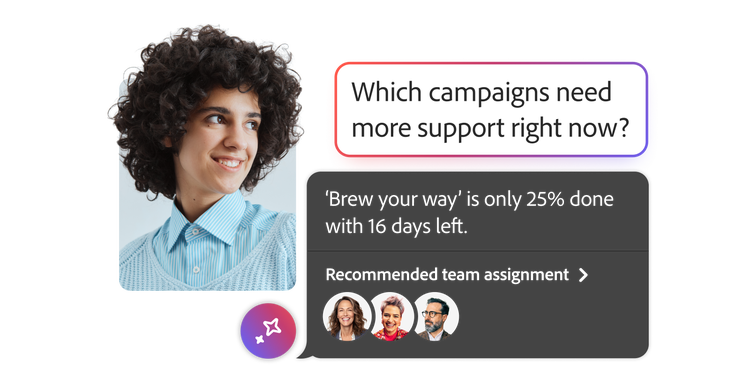
AI is reshaping every part of the enterprise, from how marketers connect with customers to how teams plan, create, and collaborate. Its business value spans both sides of the equation: improving customer experience while helping employees boost productivity and create new capacity for innovation. The future of business will belong to organizations that drive human-AI collaboration to drive meaningful outcomes.
Organizations are realizing that their most enduring advantage will come from people — their skills, creativity, and ability to work intelligently with AI. In fact, 69% of senior executives plan to increase spending on talent even as they increase their investment into AI solutionsxii. The goal is not automation for its own sake, but to augment capabilities, combining human insight with machine scale.
“Generative AI isn’t a one-click solution; you still need skilled professionals, like copywriters, who understand brand nuances and audience expectations.”
Christen Jones, Executive Creative Director,
Inizio Evoke
Many organizations, however, still equate progress with automation. The lesson from early adopters is that over-automation can reduce creativity and trust, while thoughtful collaboration between humans and AI enhances both. Sephora’s AI-powered recommendation engine, for example, improves personalization while keeping human advisors central to the experience, demonstrating how technology can scale empathy rather than replace it.
When done right, collaboration unlocks new levels of human capability. Research shows that employees using generative AI performed new tasks at 86% of expert benchmark levelsxiii — evidence that AI doesn't just speed up work, it extends human capability. But unlocking that potential requires intentional design. Effective human-AI collaboration takes several forms:

AI surfaces insights and options, while humans guide strategy and apply creative judgment.

AI handles repetitive work, while people ensure accuracy, tone, and brand alignment.

AI analyzes data and provides recommendations, while humans interpret, contextualize, and act.
To effectively embed this collaboration into daily work, organizations need systems that empower people to work confidently with AI.
That means building AI literacy and training to help employees understand both its capabilities and its limits, establishing work management systems that prioritize human oversight, governance, and guardrails to protect transparency, data integrity, and trust, and fostering a culture that values experimentation and continuous learning.
When people and AI collaborate within these frameworks, technology amplifies human potential to extend creativity, accelerate growth, and create the foundation for a more adaptive enterprise.
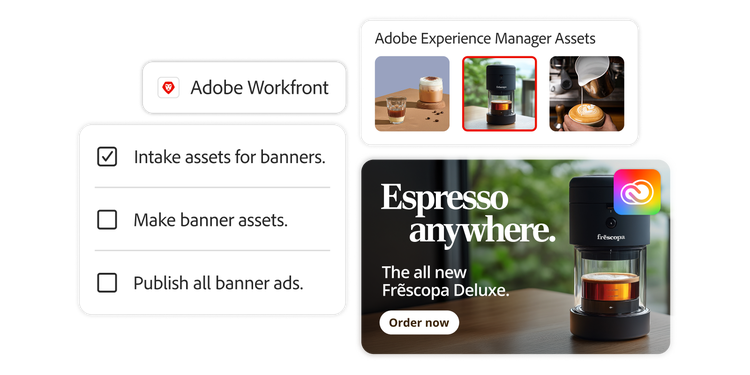

Xfinity Creative launched in 2020 with a clear vision: build an in-house agency that could move at the speed of the brand. The challenge was scale. Managing hundreds of campaigns and creative workflows remotely required a work management system that could connect creative, marketing, and operations without adding complexity.
The team found its answer in Adobe Workfront, using it as the marketing system of record and the foundation for every project and program. By integrating Creative Cloud for Enterprise and Adobe Experience Manager Assets, they created a connected ecosystem that automated handoffs, centralized reviews, and surfaced real-time data. Leadership gained instant insight into costs, capacity, and project velocity, enabling faster, more confident decisions and freeing creative teams to focus on storytelling and design.

faster project delivery

savings in agency fees
“We wanted our creatives to spend every hour creating. Every hour that they’re not trying to toggle between systems is an hour gained in terms of real creative output.”
Christopher Grove, VP Operations,
Xfinity Creative
Recognizing the value of human-AI collaboration is one thing. Building your team’s skills to execute it is another.
While companies look to increase talent investment alongside their AI budgets, a troubling gap exists between intention and action. Only 28% of enterprises plan to significantly increase spending on upskilling in the coming yearsxiv. Most organizations aren't ramping up investments in training their existing workforce, and even AI-forward companies have struggled to expand hiring for AI-related roles.
The disconnect reveals a fundamental challenge: leaders understand they need AI-capable talent, but they haven’t made developing it a true priority yet.

of businesses say they’ll need new technology skills within the next 12 months.
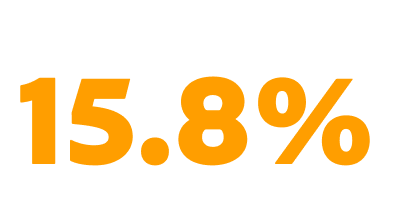
of employees strongly agreed that they’ve received adequate AI trainingxv.
This readiness gap has become one of the biggest barriers to realizing AI’s potential to realize business value. And the gap between what technology can do and what employees know how to do with it widens daily.
As AI transforms roles and workflows, companies need to reimagine work itself as inherently developmental and directly tied to business outcomes, rather than layering more training on top of work. Both new and tenured employees need opportunities to learn in the flow of work, experiment, and apply new skills in real time.
To close the readiness gap, companies need to focus on:

AI fluency
Understanding how to guide and validate machine output.

Human judgment
Training people to interpret and act on AI insights responsibly.

Adaptive learning models
Embedding experimentation and mentorship into daily work.
Work management platforms can play a central role here, linking real-time performance data with emerging skill needs and enabling leaders to identify gaps before they widen.
The payoff is clear. Research shows that companies adopting a skills-based approach are 63% more likely to achieve results than those that haven’txvi.
Employees who understand how to collaborate with AI reach proficiency faster, adapt to new tools more easily, and contribute greater value to their organizations. This adaptability also shows up in the customer experience as a more AI-fluent workforce delivers the agility, creativity, and consistency that customers increasingly expect from modern brands.


Modern work management systems connect strategy to execution by bringing campaign planning, briefs, and schedules into one shared view. They unify goals, timelines, and dependencies across teams, helping organizations prioritize effectively and move from planning to action with speed and confidence.

The right platform provides a single hub to manage all work, consolidating requests, automating intake, and keeping projects on track. It supports multiple work styles, enables resource visibility, and ensures that every team works from the same source of truth.

AI-enhanced automation standardizes repeatable tasks, streamlines reviews and approvals, and reduces manual effort. Systems that automate key stages, such as campaign setup and multi-step approvals, keep work moving efficiently while maintaining governance and brand consistency.

Work management systems should make performance visible across projects, teams, and timelines. Real-time dashboards and customizable reports help leaders track capacity, measure outcomes, and continuously optimize how work gets done.
The true impact of AI lies not in automation alone, but in how people, systems, and workflows integrate. Yet for many marketing and CX teams, the reality falls short of the promise. More than half (56%) say implementing generative AI has added strain to their workflows, as oversight, governance, and fragmented systems slow the benefits of automationxvii.
This underscores that AI tools deployed into disconnected systems create additional complexity rather than resolving it. CEOs sense the stakes: 70% expect AI to significantly change how their companies create, deliver, and capture value within three yearsxviii. But seeing the value from that transformation requires intentional planning for implementation.
Leaders must think holistically about redesigning work around AI tools. The most successful organizations are building durable operational foundations that scale content, accelerate decision-making, and connect every stage of the customer journey.
When done right, this transformation delivers far more than efficiency gains. Research shows that an integrated, AI-enabled work management approach can yield up to an 8.5x net ROI over three years, with 25% of that value coming from productivity and efficiency improvementsxix.
Learn practical strategies from Adobe leaders on how to align people, processes, and technology to overcome common AI adoption challenges and turn transformation into real business outcomes.