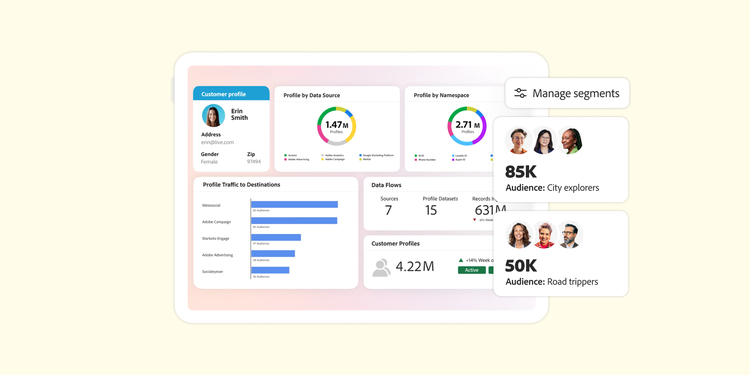
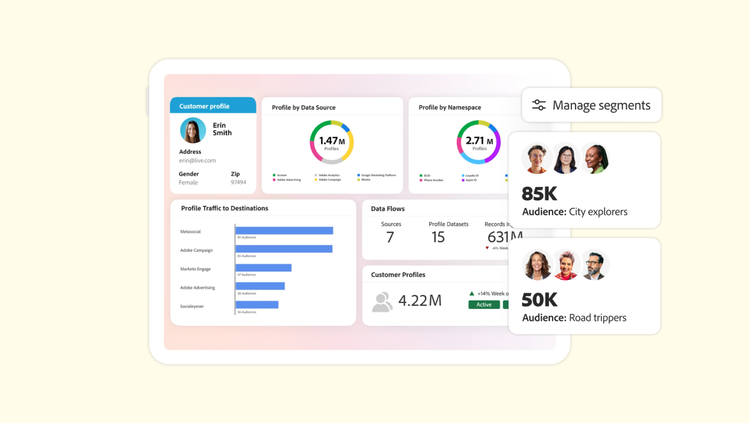
Behavioural segmentation is the practice of grouping – or segmenting – audiences of users based on actions they’ve taken in their customer journey. A group of users with similar behavioural profiles is called a segment.
The information in this guide was provided during an interview with Matt Skinner, senior product marketing manager at Adobe. In his role, he oversees product development and marketing for Adobe Real-Time Customer Data Platform.
In this guide:
What is behavioural segmentation?
Behavioural segmentation refers to grouping audiences of users based on their actions and behaviours. A group or cluster of users with similar behavioural profiles is called a segment. This segmentation allows you to draw inferences about a particular group of users based on their specific behaviours.
The most common example of behavioural segmentation is web browsing or purchasing behaviour. Consider new users who visit your ecommerce website via a social media ad, add a few items to their cart and head to checkout. Some complete the purchase and place an order, while others abandon their cart. You’d then have one behavioural segment for those who purchased and another for those who didn’t. These segments help you plan a tailored marketing experience for each group.
Someone who completed a purchase might receive an email showcasing other available products, based on their cart history. At that point, they’re no longer part of the segment of users who haven’t yet converted – they’re now in the segment of customers who’ve purchased products X, Y and Z. Their updated segmentation then shapes their experience with your brand.
The group that abandoned their cart will be encouraged through email marketing, ads, or other means, to complete their purchase. They remain in the no-purchase segment until they successfully convert.
Why is behavioural segmentation important?
- Identifying segments. You can segment consumers by their wants and needs. This lets you target people with similar interests, making it likely that customers within the same segment will respond similarly to certain campaigns and tactics.
- Determining product relevance. You’ll gain a clearer understanding of whether a product resonates with a particular segment.
- Tailoring your product or service. This gives you the opportunity to update your product to better meet a segment’s needs, improve relevance, and build brand loyalty.
- Creating tailored marketing campaigns. Targeting a specific segment can increase the likelihood of purchase. The more personalised the approach, the better the outcome.
- Discovering optimisation opportunities. Each stage of the customer journey can be refined based on segment characteristics.
- Identifying competition. Who’s winning over your customer base? Pinpoint the competition and analyse what’s driving their success.
- Developing an improved marketing strategy. You can use behavioural analytics to build a strategy that expands your customer base.
Benefits of behavioural segmentation
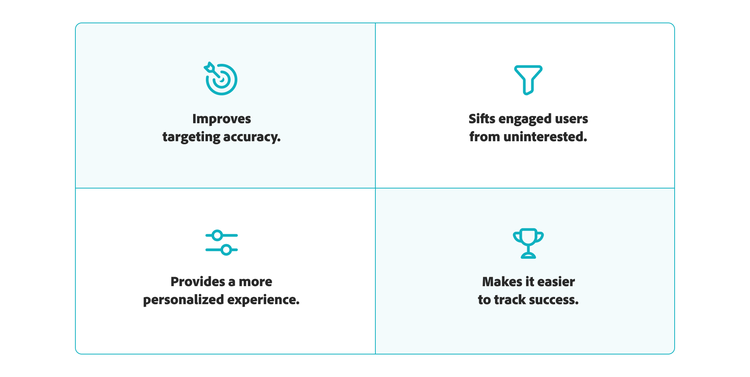
- Improves targeting accuracy. Identify customers with similar buying habits and behaviours, then align your marketing and sales teams on a plan of action.
- Separates engaged users from uninterested users. You can invest more time, money, and effort into cross-selling and upselling to key segments. This helps you avoid wasting resources on customers who rarely buy or spend significantly less, so you can focus on driving meaningful customer engagement.
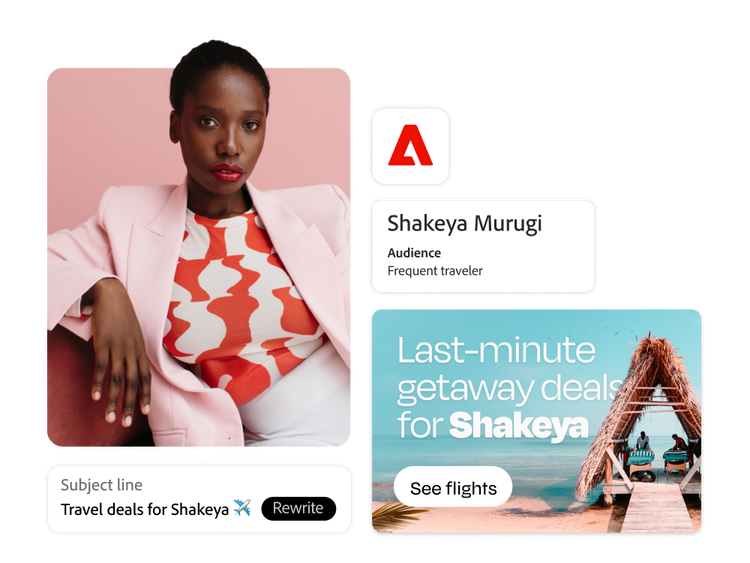
- Delivers a more personalised experience. Today, personalisation is something online consumers expect. It makes the customer journey smoother, more enjoyable and, when done well, truly unforgettable.
- Makes it easier to track success. Keep monitoring a segment throughout a marketing campaign’s performance to gain deeper insight into their behaviours.
Risks of behavioural segmentation
- Favouritism. Over-prioritising your most engaged customers can create blind spots. Focus too heavily on this segment and you risk overlooking emerging audiences, underinvesting in less vocal but high-value customers, or failing to adapt as market trends shift. The result can be stagnation, missed opportunities, and a distorted view of your total customer base.
- Lack of data. You may not have enough data to make sound marketing decisions. This often happens when launching a new product or entering a new market. Consider using other segmentation approaches, such as psychographic segmentation and other forms of data collection.
- Consumer behaviour changes. Consumers are inherently unpredictable, meaning behaviour patterns, data, and segments can quickly become outdated.
- Reliance on certain assumptions. Segments offer a frame of reference based on perceived customer needs, personality, and behaviour — not confirmed facts.
- Based on complex data. Segmentation is a complex approach that can take time to get to grips with, especially at first.
How can behavioural segmentation benefit your brand?
Behavioural segmentation saves time and money that would otherwise be wasted on already-converted, loyal customers – resources that could instead go towards converting potential new customers and driving conversion rates.
Returning to our ecommerce example, customers who’ve already made a purchase move out of the non-converted segment into one that reflects their product interests. Since they’re new customers, the marketing campaigns targeting this group don’t need to be as aggressive as those aimed at near-converts. Grouping customers this way helps pinpoint what type of marketing each segment needs, ensuring the right message reaches the right people.
Beyond allocating time and budget effectively, behavioural segmentation also helps businesses understand what’s working and what still needs refining.
Take this example: a company notices that 50% of new customers landing on a particular page click away without taking action. Analysing that segment helps them pinpoint what’s failing to capture a potential customer’s attention. Behavioural segmentation not only drives efficiency — it also leads to better customer experiences. That’s because each customer receives personalised offers and messages from that brand.
How does behavioural segmentation improve customer loyalty?
When an organisation uses behavioural segmentation, customers receive more personalised experiences, which builds stronger brand relationships. The more often customers receive personalised offers, the more they’ll discover products and services that suit their needs. Overall, this drives customer satisfaction and encourages return custom and retention.
How do you collect behavioural data?
To collect behavioural data, you’ll need an analytics tool such as Adobe Analytics. From there, you need a system that can bring in that data alongside other data points.
When it comes to which behavioural data to focus on, some marketers rely solely on web analytics for their segmentation. But not every customer connects with a brand online. A tech store, for instance, may have a website and multiple physical locations — meaning they need to track both web analytics data and in-store traffic data, since customers might browse online but buy in-store.
This is where multichannel data gathering makes a real difference, allowing the tech company to stop targeting customers for products they’ve already bought in-store. Without store traffic analytics, the company could keep marketing a product to a customer who has already purchased it.
Savvy marketers take this further by building data-sharing partnerships and collecting data from their partners. Consider a credit card brand with a relationship with an airline: if the card company runs an airline points rewards programme, that data is shared with both the card provider and the airline. This allows each to market to customers with offers that speak directly to their travel and financial interests.
How do you optimise the data you collect?
To optimise your data, you need to segment it. The most basic segment is binary – built on yes/no criteria. It hinges on whether a user takes a particular action: if they do, they’re in the segment; if they don’t, they’re out. As a marketer, your priority should be building meaningful customer segments from the data you already have.
Adobe Real-Time Customer Data Platform (CDP) includes a real-time customer segmentation service that lets you build segments that go well beyond simple, binary segmentation. With Real-Time CDP, you can create customer segments based on time-bound qualifiers – such as taking action A, then action B, followed by action C, all within a specified timeframe.
This also creates a far more targeted segment, delivering deeper insight into potential marketing messages. With this level of specific data, you can serve personalised offers that are more likely to convert.
What is the difference between behavioural segmentation and psychographic segmentation?
Behavioural segmentation groups people based on how they act. Psychographic segmentation, on the other hand, groups them based on how they think or feel.
Take a news website that surveys its readers on preferred content types as an example. A large group of readers say they prefer business content. But when the website reviews its most visited content categories, those same readers are actually spending most of their time on sports content.
The readers may genuinely enjoy business content (psychographic data), but on this particular news site, what they’re actually consuming is sports content (behavioural data).
While these data types differ, marketers should consider both and look at where they overlap. Behavioural data can sometimes shed light on psychographic data, and vice versa.
What are the different types of behavioural segmentation?
- Occasion-oriented behavioural segmentation. This is when a product is purchased only for a specific occasion.
- Usage-oriented. This is based on how frequently a consumer uses a product.
- Loyalty-oriented. The stronger the brand loyalty among customers, the less a company needs to focus on winning new ones.
- Benefit-oriented. This targets customers seeking maximum value from a product. Benefits can take different forms – availability, variety, or affordability.
Customer data platforms such as Adobe Real-time CDP, and data management platforms such as Adobe Audience Manager, are highly effective tools for behavioural segmentation. These systems ingest data not only from analytics, but also from other tools – including CRM, ad campaigns, internal customer systems, and a variety of data lakes.
For behavioural segmentation, use tools that offer the widest range of data sources – and the most destinations available for data activation. This keeps all your segmentation in one place, rather than spread across multiple systems.
What data privacy factors do brands need to consider?
The degree of personalisation you pursue is entirely your call. That said, it’s generally worth avoiding:
- Collecting or requesting health information.
- Specifics about what someone browsed on your website (such as products they considered but never added to the cart).
- Any form of direct targeting that assumes an established relationship between a customer and a brand – particularly when that relationship doesn’t yet exist.
- Aggressive targeting of prospective customers, especially using personal information they haven’t provided.
A company’s goal shouldn’t just be to make sales – it should be to build genuine trust with its customers.
What will behavioural segmentation look like in the future?
Data consent will be a key focus for the future of behavioural segmentation. As consumers become more privacy-aware, behavioural segmentation will need to evolve. In many cases, they’ll need to provide consent before their behavioural data can be collected and used. This creates a real opportunity to show your customers the value of personalisation and how it works in their favour.
A key future evolution of behavioural segmentation will be combining behavioural data with individual attribute data. This will deliver even deeper insights into personas and potential marketing choices.
In the future, a target audience segment won’t simply be a list of device IDs and email addresses. It’ll be a smarter way to group people engaging with your brand — helping you develop new campaigns, products, and services.
A personalisation solution built for marketers – based on historical behaviour
Find out how Adobe Target works as a powerful optimisation engine that delivers precise customer experiences at scale.
Watch our overview video to learn more.