Digital marketing campaign examples: 10 proven cases | Adobe Australia

What can 10 successful digital marketing campaign examples teach your team?

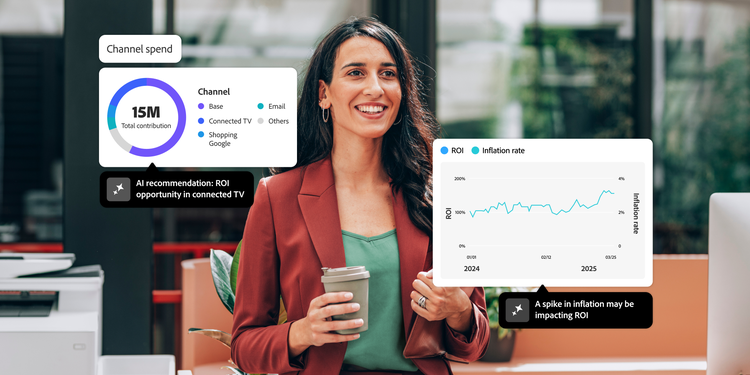
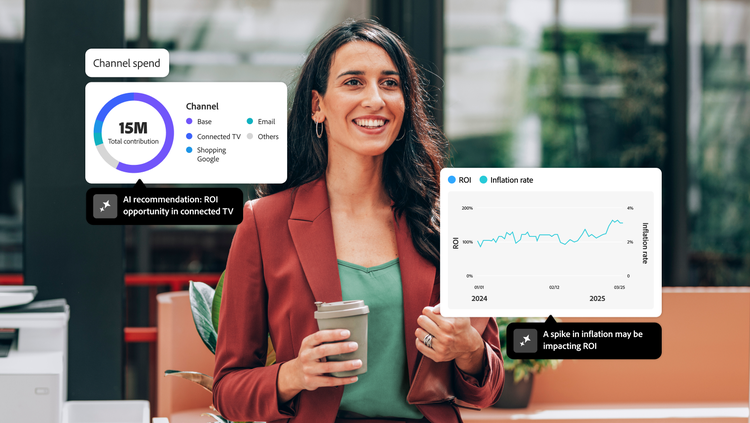
Marketer reviewing a campaign performance dashboard on a laptop, with charts showing channel spend and campaign results.

Most marketing teams have no shortage of campaign ideas, what they lack is a structured way to evaluate why certain campaigns succeed and how to replicate those conditions. The 10 digital marketing campaign examples below are analysed through a consistent lens of objective, tactic, result, and transferable takeaway, then synthesised into reusable patterns your team can apply to the next quarterly plan.

This post will cover:

What is a digital marketing campaign?

Many organisations blur the line between always-on brand activity and a campaign, then wonder why performance reporting tells them nothing useful. A digital marketing campaign is a time-bound, objective-driven set of coordinated activities across online channels (paid media, owned content, earned coverage) distinguished by a fixed start date, end date, and singular KPI. A product launch running across paid social, email nurture, and influencer partnerships for six weeks with a north-star metric of qualified leads is a campaign; a perpetual social calendar is not.

If you're planning an upcoming quarter, briefing agencies, or benchmarking your approach against proven tactics, the examples below span social, email, search, experiential, and referral channels. Organisations running campaigns across three or more channels will find the measurement section especially relevant.

Which digital marketing campaign examples deserve close analysis?

CeraVe, anti-advertising campaign. Objective: earned media at scale. Tactic: leveraged influencer scepticism as a creative device, generating conversation by subverting audience expectations of branded content. Takeaway, counter-intuitive creative outperforms polished messaging when audience trust in traditional advertising is low. For Australian brands competing in saturated social feeds where scroll-past rates on branded content exceed those on organic posts, this approach merits serious consideration.

UNIQLO, Uncover. Objective: lead capture from passive browsers. Tactic: gamified digital experience that converted anonymous traffic into identifiable leads via email sign-up. Takeaway, interactive content bridges the gap between awareness and data capture without relying on gated PDFs, particularly effective for retail brands with high mobile traffic.

American Express, OPEN Forum. Objective: long-term audience trust. Tactic: sustained content-led community building that positioned the brand as a resource rather than a vendor. Takeaway, compounding content investment builds trust that paid media cannot replicate at the same cost per engaged contact. Relevant for Australian financial services brands seeking to differentiate beyond rate comparisons.

Slack, word-of-mouth marketing. Objective: user acquisition without paid spend. Tactic: product-led growth where the campaign was the product experience itself; free-tier adoption replaced paid acquisition. Takeaway, reducing friction in trial adoption can eliminate paid acquisition spend entirely for products with high network effects.

Lyft, referral programme. Objective: lower cost per acquisition. Tactic: dual-sided incentive structure that turned existing riders into acquisition channels. Takeaway, referral economics succeed when the reward is immediate, the sharing mechanism is frictionless, and the marginal cost of a new user is lower than paid CPA.

Sephora, merging online and in-store experiences. Objective: omnichannel personalisation. Tactic: unified purchase history across touchpoints turned physical retail into a digital campaign asset. Takeaway, this only works when data governance ensures profile accuracy across systems; without it, personalisation misfires erode trust faster than generic messaging.

JetBlue, using X for instant customer service. Objective: brand advocacy from service interactions. Tactic: real-time social engagement that converted complaints into public praise. Takeaway, service channels double as marketing channels when response speed is exceptional and tone is human.

Dove, #Faceof10 campaign. Objective: brand-values alignment. Tactic: social-first advocacy campaign on age-appropriate skincare. Takeaway, purpose-driven campaigns succeed when the cause is authentic to the brand's existing positioning, not bolted on for relevance.

Orange France, Les Bleues campaign. Objective: cultural-moment amplification. Tactic: leveraged women's football to challenge gender bias in sport sponsorship with video-first social creative. Takeaway, cultural timing amplifies reach when the brand's stance is credible and the creative is native to the platform.

Heineken, The Boring Phone. Objective: earned media via product stunt. Tactic: counter-trend physical product tapping genuine consumer tension around screen fatigue. Takeaway, physical-digital hybrid stunts generate outsized earned media when they dramatise a tension the audience already feels.

Which digital marketing campaign examples deserve close analysis?

What transferable patterns connect these campaigns?

Audience tension as creative fuel. CeraVe, Heineken, and Dove each identified a genuine audience frustration and built creative around resolving or dramatising it. Practically, this means marketers should audit audience pain points, via social listening or support tickets, before briefing creative, not after. An Australian retailer, for instance, might mine delivery-frustration sentiment to fuel a campaign around same-day fulfilment.

Channel-native execution. JetBlue and Orange France succeeded because the tactic was native to the platform: real-time replies on X; short-form video on social. Repurposing television creative to digital rarely matches purpose-built digital-first work, a common budget trap for organisations with legacy broadcast spend. Teams can reclaim production hours by automating repetitive design tasks, freeing resource for platform-specific creative.

Data as campaign infrastructure. Sephora's omnichannel success depended on unified customer profiles. Without robust data analysis tools, personalisation at scale stalls at the pilot stage. Organisations should assess data readiness before committing to omnichannel campaign designs, particularly those operating across multiple states with fragmented CRM instances.

Measurement clarity before launch. Each example had a single north-star KPI defined upfront. Campaigns that try to optimise for awareness and conversion simultaneously dilute both, a trade-off that becomes visible only in post-campaign attribution. Defining customer engagement strategies upfront ensures measurement frameworks align with genuine business outcomes.

How should your organisation measure and optimise campaign performance?

Most organisations running campaigns across multiple channels over-credit bottom-funnel tactics (last-click) and under-credit awareness plays like those in the examples above. For multi-state Australian operations with fragmented media buys, this misallocation compounds quarter over quarter, brand campaigns get defunded while performance channels hit diminishing returns.

Marketing mix modelling (MMM) uses aggregated data to quantify each channel's incremental contribution without relying on individual-level tracking, increasingly important as third-party cookies phase out.

A practical decision rule: if your organisation runs fewer than three paid channels, platform-native analytics may suffice. If you operate across five or more channels with overlapping audiences, a unified measurement tool prevents budget misallocation. The threshold is not revenue size but channel complexity.

Adobe Mix Modeler brings together MMM and multi-touch attribution, unifying their results so teams can measure campaigns and optimise planning holistically across channels, helping bridge the gap between strategic planning and tactical optimisation.

Discover how Adobe Mix Modeler helps your team measure what's working across every channel, explore the product overview.

Let’s talk about what Adobe can do for your business.

Get started