Online shopping has come a long way since its inception in the 1990s and ecommerce marketing has grown faster than ever in recent years. Effective ecommerce marketing combines content, social media, PPC and email campaigns tailored to a brand’s target audiences. Deciding which strategies to use and how to implement them, can be a complex, sometimes overwhelming, challenge. By turning that complexity into a clear, actionable strategy, you can transform these challenges into your brand’s greatest competitive advantage.
This article will cover:
- What is ecommerce marketing?
- The most common ecommerce marketing channels
- Ecommerce marketing strategies
- The best way to manage ecommerce marketing
What is ecommerce marketing?
Ecommerce marketing is the practice of making potential customers aware of your online products or services and guiding them to take action. While acquisition is a key focus, retention is just as important since encouraging previous customers to buy again is often more cost-effective than attracting new ones.
To drive growth and create a seamless customer journey, ecommerce marketers use a mix of different strategies, including social media, influencer partnerships, email campaigns, content marketing, SEO and paid advertising. Modern ecommerce platforms make it easier than ever to launch omnichannel campaigns that reach audiences wherever they are online.
Investing in ecommerce marketing allows brands to stand out in a crowded digital space, connect naturally with customers and drive revenue by fitting into people’s everyday online experiences.
The most common ecommerce marketing channels.
One of the biggest advantages of ecommerce marketing is the many ways to reach new and existing customers. And because there are so many methods of communication, marketers have a lot of room for creativity.
Social media and influencer marketing.
Social media marketing focuses on attracting and engaging customers through platforms like Facebook, Instagram, TikTok and YouTube. By showcasing products through immersive content, promotions and customer testimonials, brands can build the trust necessary to move a user from browsing to purchasing.
Influencer marketing builds on this foundation by using trusted voices to promote products and services. Influencers have cultivated loyal, engaged audiences, making them highly effective at driving purchasing decisions and expanding brand reach.
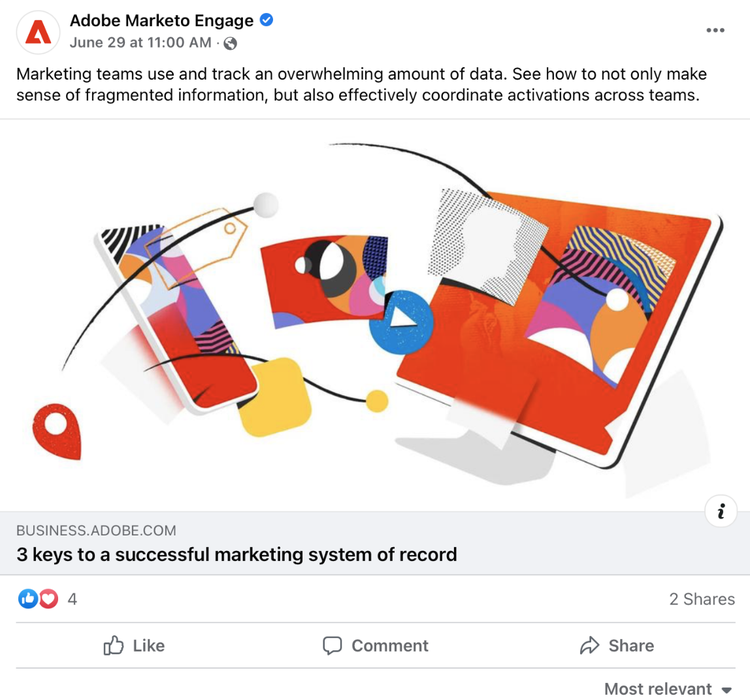
Social commerce takes this a step further by enabling users to browse and purchase products directly within platforms like TikTok, Instagram and Pinterest. By removing friction from the buying journey, brands can turn discovery into immediate action.
To get the most out of social media, influencer marketing and social commerce:
- Choose the right platforms: Focus on the channels where your target audience is most active. Spreading too thin can dilute your impact.
- Show off your brand personality: Use social media to express a distinct voice that helps your content stand out.
- Use user-generated content: Repost customer photos and videos. Seeing a product in a real-world setting can be more relatable than a professional studio shot.
- Use video: Short-form video can showcase products, trends or customer stories.
- Find the right influencers: Partner with creators who fit with your brand’s audience, tone and values. Use trackable links or discount codes to measure the impact of each partnership.
- Use micro-influencers: Smaller creators often drive higher engagement and trust than larger, less personal accounts.
- Enable social commerce: Make it easy for users to purchase directly within social platforms to reduce friction and increase conversions.
Email marketing.
Email marketing is a key tool for customer retention and automation, allowing brands to send timely, personalised messages that keep customers coming back. By setting up automated flows and segmenting audiences based on behaviour, you can deliver the right message at the right stage of the shopping journey and optimise performance.
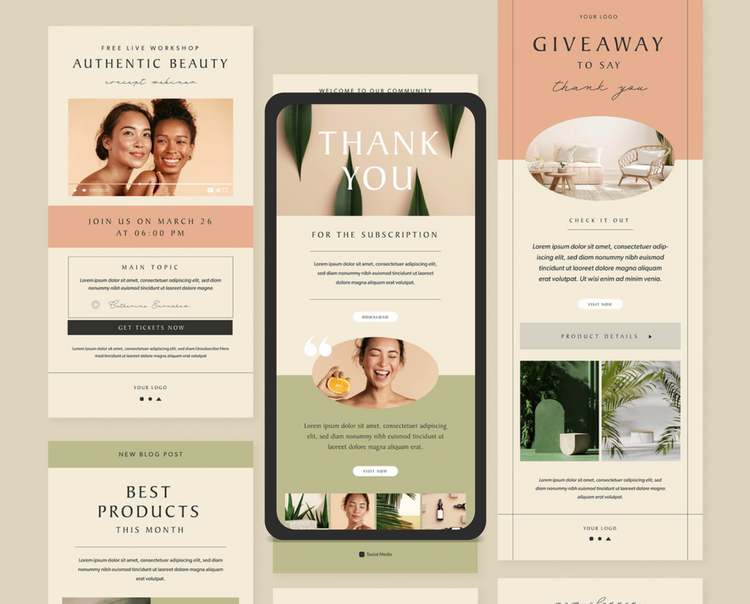
Common use cases include:
- Welcome series: Introduce new subscribers to your brand, highlight key products and encourage early engagement.
- Order and delivering updates: Turn transactional emails into branded experiences by sharing helpful details, return information and loyalty perks.
- Post-purchase follow-up: Reinforce the value of a purchase, request reviews and recommend related products or offers.
- Abandoned basket reminders: Gently re-engage shoppers who didn’t complete checkout and encourage them to return.
Content marketing and SEO.
Content marketing is about creating valuable digital assets, such as buying guides and product comparisons, that provide the answers shoppers need before they feel confident enough to buy. This approach builds trust and positions your brand as a subject matter expert, ensuring that when a customer is ready to purchase your product, your site is their first stop.
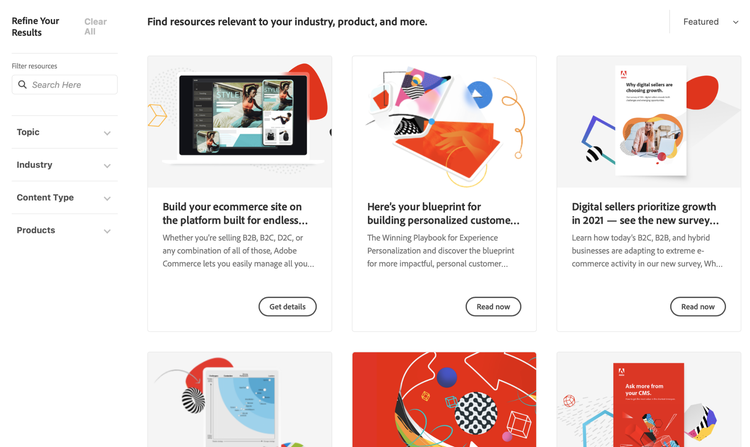
SEO amplifies these efforts by making your website more visible in search results. SEO focuses on delivering high-quality, relevant content that meets user intent and provides a seamless experience. With AI-driven search becoming more common, search engines prioritise content that anticipates questions, offers clear answers and provides context, making thoughtful, authoritative content more important than ever.
Common strategies include:
- Blogs and resource articles: Publish content that addresses your audience’s needs and connects naturally to your products, such as guides.
- User-intent mapping: Audit your content to ensure that you have assets for every stage of the funnel, from "just looking" informational blogs to "ready to buy" product pages.
- Optimised product pages: Use clear, compelling copy, strong visuals and elements like reviews or demos to drive conversions.
- Site performance: Ensure fast load times and a smooth user experience to reduce bounce rates and improve rankings.
- Structured data: Use Product schema mark-up to display price and stock availability and AggregateRating Schema to display star ratings directly in your product's blue link search results, helping to increase your click-through rate.
Pay per click (PPC).
For ecommerce brands, PPC is an effective way to drive customer acquisition and grow revenue. By placing targeted ads across search engines and social platforms, you can get your products in front of shoppers when they’re ready to buy. Since you only pay when someone clicks, it’s easier to control your budget and scale what’s working based on real-time performance.
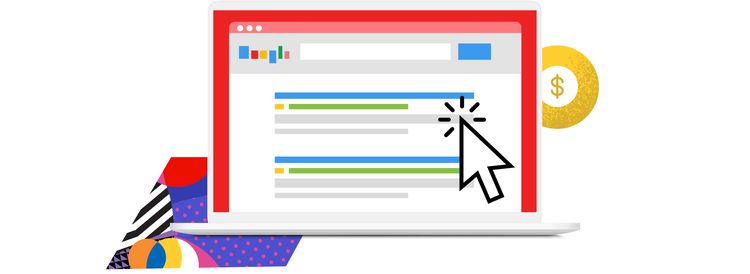
When executed effectively, PPC can deliver fast, targeted traffic and boost conversions. Key strategies to keep in mind include:
- Google Shopping and Performance Max: Use product-based ads that display high-quality images, real-time pricing and ratings directly in search results.
- Dynamic remarketing: Show ads to users featuring the exact products they viewed on your site but didn't purchase. This "reminder" strategy is an effective way to recover lost sales and improve overall conversion rates.
- Improve Quality Score: Platforms like Google rank ads based on relevance and performance. Strong keywords and optimised landing pages can increase visibility while lowering costs.
- Use social PPC: Social platforms offer advanced targeting based on user behaviour, interests and demographics.
Omnichannel marketing.
Omnichannel marketing delivers a consistent shopping experience across every touchpoint. By connecting channels like social media, email and your ecommerce site, shoppers can move seamlessly from product discovery to checkout. This reduces friction, improves conversion rates and builds loyalty by making each interaction feel cohesive and tailored to the customer’s preferences.
Ecommerce marketing strategies.
After covering the channels available to ecommerce marketers, it’s time to focus on the strategies and tactics that make those channels truly effective. From goal-setting and strategic planning to personalisation and customer retention, these approaches can help drive growth, increase engagement and boost conversions.
Strategic planning: Goals, audience and channels.
Before building your ecommerce strategy, it’s important to establish a clear, structured plan. Here’s how to approach your strategic planning:
- Clarify your target audience: Update customer profiles to reflect current demographics and behaviours. Use analytics, social engagement, surveys and interviews to refine segments and tailor marketing strategies to each audience for maximum impact.
- Understand your competition: Audit competitor websites, pricing, content, social channels and advertising efforts. Identify what’s working for them and determine whether you can replicate it or take a different approach to capture your audience.
- Define clear, measurable goals: Success starts with clear, measurable goals. Whether aiming to boost customer lifetime value (LTV), reduce basket abandonment or drive repeat purchases, defined targets keep teams aligned and their campaigns focused. Use industry benchmarks as a baseline, review existing goals and raise the bar as you achieve them.
- Decide which channels make sense for your business: Finally, focus on the two or three channels that drive the most engagement. Let data guide your choices and invest in the right resources.
Personalisation at scale.
Shoppers expect experiences tailored to their needs. Use customer data and AI-driven insights to personalise product recommendations, homepage banners and emails. AI can analyse browsing patterns, purchase history and engagement signals to predict what a customer is likely to want next, enabling hyper-personalised content at scale. Dynamic content that adapts in real time to individual behaviour makes every interaction feel relevant and can significantly boost engagement and conversions.
Zero-party data collection.
With third-party tracking becoming less reliable, ask customers directly for the information you need. Interactive quizzes, surveys and account preferences provide highly accurate data that can improve segmentation and targeting. This approach helps you to create experiences that are genuinely meaningful to your audience.
Retargeting and abandoned basket recovery.
Not every visitor completes a purchase on their first visit. Automated emails and retargeting ads can remind users of items left in their basket, often including personalised incentives such as discounts or product recommendations. Retargeting not only recovers lost revenue but also strengthens brand recall and drives higher overall conversion rates.
Customer loyalty and rewards programmes.
Loyalty programmes build long-term relationships. Offer points, discounts, exclusive perks or surprise giveaways to reward engagement and encourage repeat business. Pilot programmes can be used to ensure your incentives align with customer preferences. Integrated loyalty programmes can also provide insights into customer behaviour, informing future marketing campaigns and strengthening brand advocacy.
Content-driven commerce.
Educate, inspire and guide customers with high-quality content such as blogs, videos, buying guides and social media posts. Content-driven commerce helps your audience solve problems while naturally highlighting your products, improving trust and brand authority. It also improves SEO, supports product discovery and generates qualified traffic that’s more likely to convert.
Data-driven A/B Testing and optimisation.
Continuous testing is key to understanding what resonates with your audience. Experiment with website elements, email messaging, CTAs and promotional offers to identify the highest-performing combinations. Even small adjustments can drive significant results when guided by data. Testing and optimisation ensure your marketing strategies improve over time rather than remain static.
User-generated content and social proof.
Real customer reviews, testimonials and photos build credibility and reduce hesitation at the point of purchase. Social proof reinforces trust, drives engagement and encourages conversions by showing prospects how others interact with your brand. Brands can also integrate user-generated content across product pages, social channels and email campaigns, turning satisfied customers into brand advocates while increasing visibility and engagement.
The best way to manage ecommerce marketing.
Ecommerce marketing is essential for building audiences, engaging customers and driving revenue.
But to fully realise its potential, brands need the right tools. Adobe offers a suite of solutions to help businesses create and manage ecommerce sites, deliver personalised shopping experiences and optimise the customer journey.
Adobe Commerce is a leading digital commerce platform for merchants and brands. It enables businesses to create engaging, personalised shopping experiences for every customer type. Designed to scale, Adobe Commerce helps companies of all sizes reach customers across devices, channels and marketplaces with speed, security and flexibility.
Ready to jumpstart your ecommerce marketing? Watch an overview video to see how Adobe Commerce can help you to grow your business.
Recommended for you
https://business.adobe.com/fragments/resources/cards/thank-you-collections/commerce