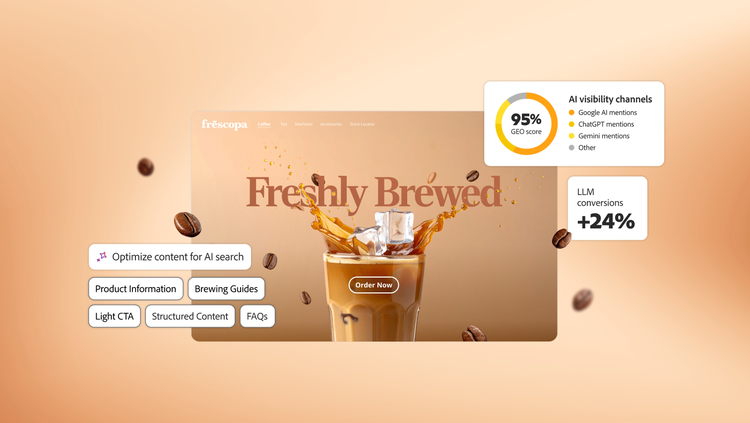
A 7-step GEO framework to improve AI search visibility.
Improving brand visibility in AI search is a continuous process that combines content structure, authority signals and measurement best practices. The most effective approach is to treat it as a repeatable system and refine performance over time.
Follow this seven-step GEO framework to build, measure and scale your brand visibility:
1. Assess your AI footprint.
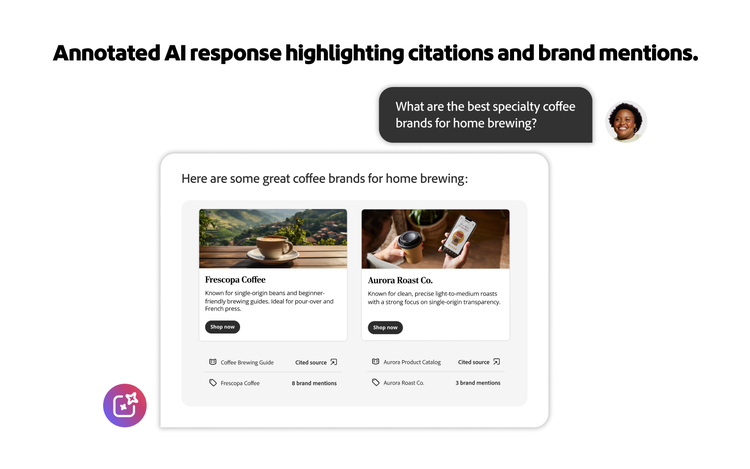
Start by building a clear picture of how your brand currently appears in AI environments. On the output side, run a set of 20-50 buyer-intent prompts across platforms, such as ChatGPT, Perplexity, Claude and Gemini. Track mentions, citations, sentiment and competitor presence to understand how AI describes your brand.
On the input side, analyse how AI crawlers interact with your site through available logs or traffic signals. This reveals whether your content is accessible, crawlable and structured in a way that AI systems can interpret. Together, these insights show how AI presents your brand and how effectively it can understand your content.
2. Structure content for users and crawlers.
AI systems prioritise content that is easy to parse, validate and reuse, demanding greater consistency in how content is written and organised. Instead of long, unstructured sections, write content to be clear, modular and self-contained.
Use answer-first paragraphs under each section, followed by structured elements such as lists, tables and definitions. Avoid hiding key content in tabs or interactive elements that may not be rendered by AI crawlers. These changes improve extraction accuracy and increase the likelihood of being cited in AI-generated responses.
3. Build entity authority through topical clusters.
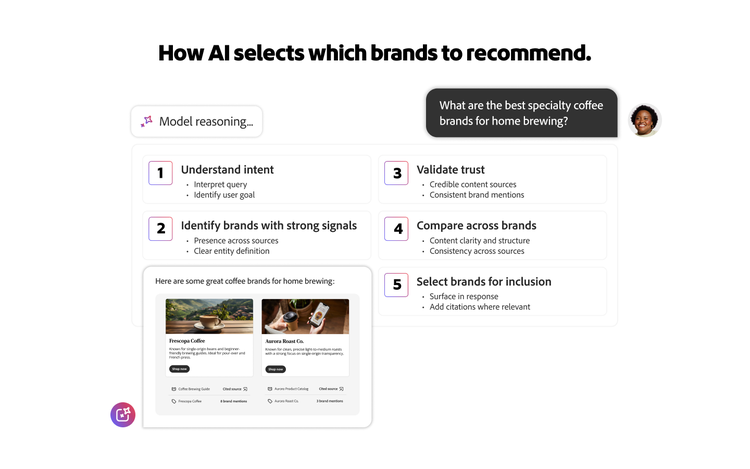
Visibility in AI is driven by how clearly your brand is understood as an entity, not just how well you rank for individual keywords. This requires consistent, structured coverage of the topics that define your category.
Create dedicated pages for core concepts, products and capabilities and interlink them using clear, descriptive and entity-rich anchor text. Reinforce semantic relationships between topics so that AI systems can map how your brand connects to specific areas of expertise. Over time, this builds a stronger, more coherent presence in AI-driven discovery.
4. Earn third-party citations on trusted sources.
AI models rely heavily on external validation to determine credibility. But not all sources carry equal weight. Industry publications, analyst reports and recognised platforms are more likely to influence how your brand is surfaced in responses.
Focus on earning coverage in credible sources and contributing original insights that others reference. Proprietary research, unique data points and well-defined frameworks often become repeated citation sources, strengthening both your authority and visibility.
5. Expand FAQs and conversational coverage.
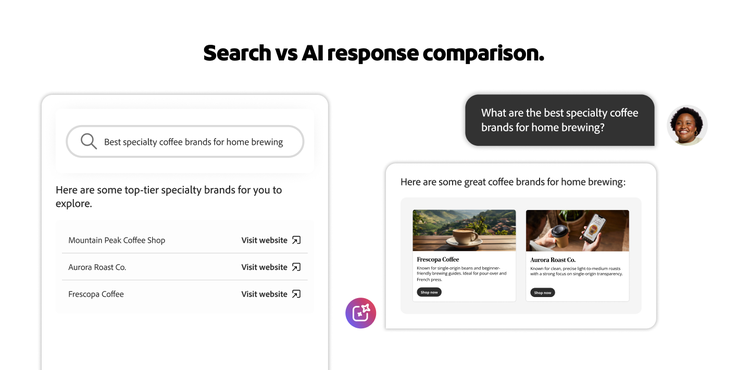
AI interactions are driven by natural language. Your content should reflect the way users ask questions in the real world.
Develop FAQs sections that address specific buyer queries with concise, direct answers. Align phrasing with detailed prompts and update content regularly to reflect changing user behaviour. This ensures your content remains relevant and increases the chances of being matched to conversational queries. While Google no longer supports FAQs Page Schema, FAQs are still valuable to include on pages.
6. Participate in trusted communities.
Your brand’s visibility is also shaped by signals outside your owned channels. AI systems draw from a wide ecosystem of sources, including community discussions and expert contributions. For instance, Reddit frequently appears in ChatGPT responses, especially for discussion-driven or recommendation-style questions.
Participate in professional forums, review platforms and industry conversations with a focus on depth and usefulness. Credible contributions from subject matter experts build trust signals that AI systems recognise and incorporate into responses over time.
7. Measure, attribute and close the loop.
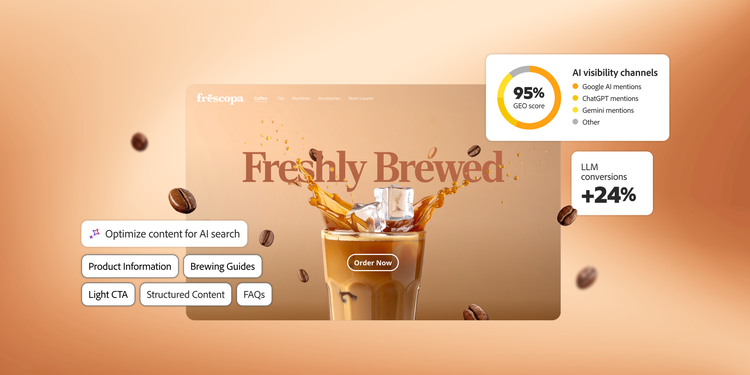
AI visibility should be treated as part of your broader performance ecosystem, not a stand-alone effort. Tracking key signals such as mentions, citations and share of voice is only the starting point.
The real value comes from connecting these signals to downstream outcomes such as referral traffic, branded search lift and pipeline. Using integrated data capabilities, teams can align visibility metrics with business impact, turning AI discovery into a measurable and optimisable growth channel.