Consistent:
91%
Provide consistent messaging, branding, and service quality across all channels and touchpoints (for example, web, email, mobile, and in person).


JUMP TO SECTION
Whitepaper methodology and approach
Marketers are feeling confident
Consumers receive too many irrelevant messages
Internal challenges prevent meeting customer expectations
Ensure engagement is customer-centric
Reimagine your approach to personalization
Reimagine email use cases with context in mind
Reimagine mobile engagement to fuel customer journeys
The landscape of customer engagement continues to evolve, presenting brands with both challenges and opportunities. Marketers strive to connect with consumers in real-time through the channels that most effectively address customer needs.
Unfortunately, there’s often a gap between marketers’ strategies and customer experience. Closing that gap will be crucial for brands to foster meaningful connections and show that they understand, and can meet, their customers’ needs across the entire customer lifecycle, which goes well beyond simply delivering a product or service at the time of sale. With a sea of competitors vying for their attention, customers must feel connected to your brand even when they aren't directly interacting with it.
At Adobe for Business, we’re both focused on and dedicated to providing marketers and their brands with the marketing technology solutions they need to create meaningful, connected experiences that turn prospects into loyal customers.

Do marketers believe they are delivering customer-centric engagement?

Do customers agree with marketers, or do they see things differently?

Could marketers make any changes to enable customer-centric journeys?
To answer these questions, we partnered with Concentrix to deliver quantitative insights via two surveys. In the first, we surveyed over 300 daily mobile phone users in the US to understand their behaviors and attitudes pertaining to their experience with brands.
We then surveyed 200 marketers at B2C enterprise companies in the US to understand their attitudes, challenges, and opportunities regarding the customer journey.
Research for this whitepaper was conducted through two quantitative surveys exploring consumer and marketer perspectives.
Responses to the consumer study, fielded in December 2023, came from 323 daily mobile phone users in the US. Survey stats were representative of the US in terms of age, gender, race, ethnicity, household income, and region.
Responses to the marketer study, fielded between February and March 2024, came from 200 marketing professionals at enterprise-sized B2C companies in the US. Respondents were in roles spanning marketing (74%), operations (14%), product (11%), and customer experience (3%). Respondents were required to be associate-level or more senior and be knowledgeable about the ways customers interact with their company across various channels and touchpoints.
In this paper, we unpack the results of our research and offer recommendations for brands that want to provide more customer-centric experiences. First, let’s review our findings.
At a high level, we learned that marketers feel confident in their ability to engage customers and meet their needs. They give themselves and their companies high marks for customer engagement.
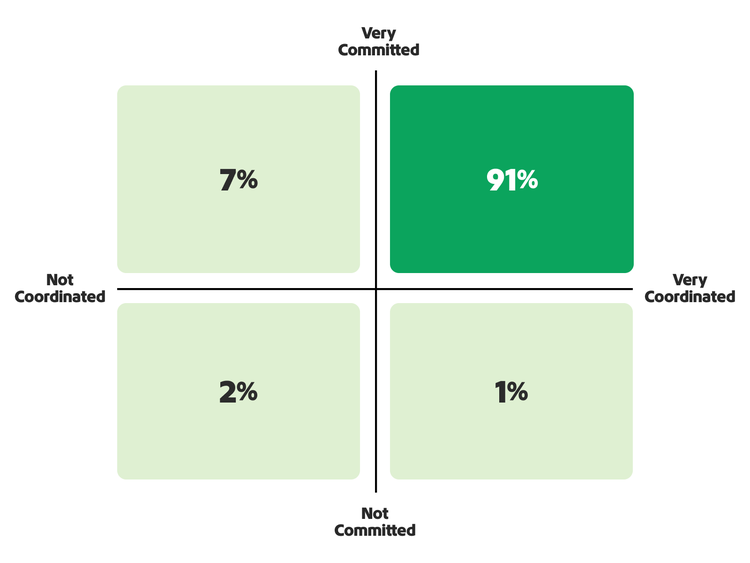
91% of marketers believe their company prioritizes customer needs as well as coordinates customer interactions and marketing engagements.
Consistent:
Provide consistent messaging, branding, and service quality across all channels and touchpoints (for example, web, email, mobile, and in person).

Personalized:
Deliver experiences and communications that are tailored to an individual customer’s preferences, behaviors, or needs.

Seamless:
Enable customers to transition seamlessly between channels and devices without experiencing disruptions or inconsistencies.
A large majority of marketers (91%) also said they felt their company provides consistent messaging, branding, and service quality across all channels and touchpoints (for example, web, email, mobile, and in-person).
Meanwhile, 79% of marketers felt they delivered personalized experiences and communications tailored to an individual customer’s preferences, behaviors, or needs, and 72% said they enabled customers to transition seamlessly between channels and devices without disruptions or inconsistencies.
So, to answer the first question we posed — how do marketers feel they’re doing regarding their ability to connect with their customers? Overall, they believe they’re doing quite well. Now let’s turn to our consumers to see if they agree or see things differently.


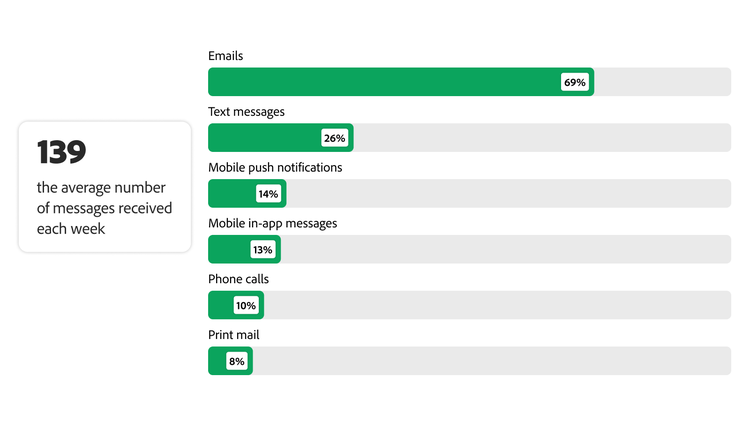
To cope with the deluge of messages they receive, consumers unsubscribe from email lists, turn off notifications, delete mobile apps, or simply tune out.
Consumers delete or ignore 48% of all the messages they receive from brands without reading them. In addition, 86% of consumers unsubscribe or turn off notifications if the content is not relevant to them, and 85% agree it is important to delete apps they no longer use.



“All day long, I am deleting ads I did not sign up with, from businesses that I have never bought from. It’s very annoying.”
Consumer, Gen X, Female
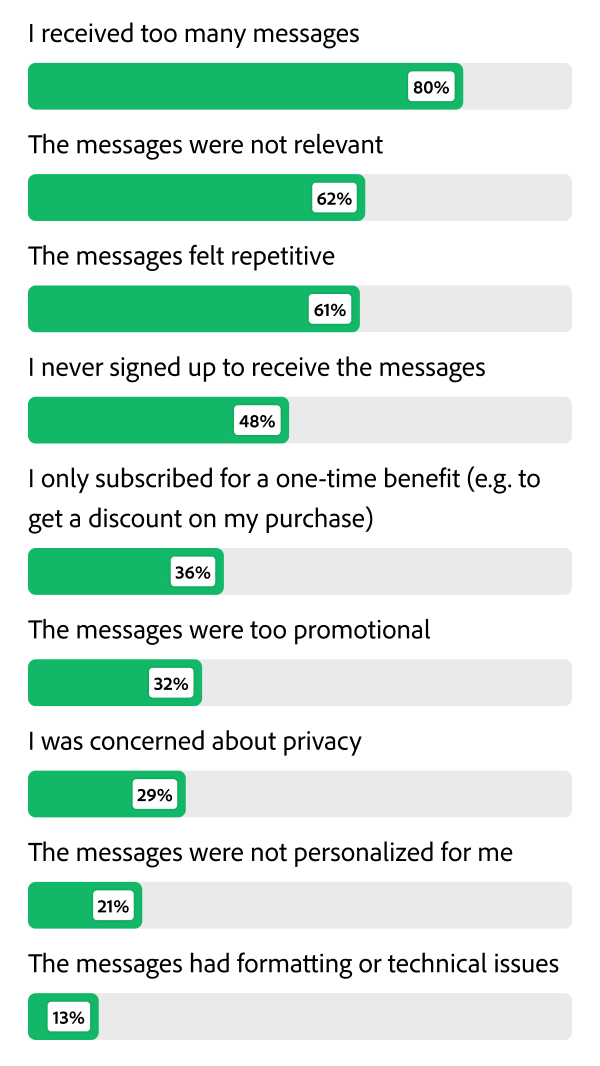
While consumers said their expectations for experiences don’t align with how brands engage with them, many marketers said their companies were experiencing internal challenges that may hinder their ability to rise above the noise and connect on a meaningful level with their customers.
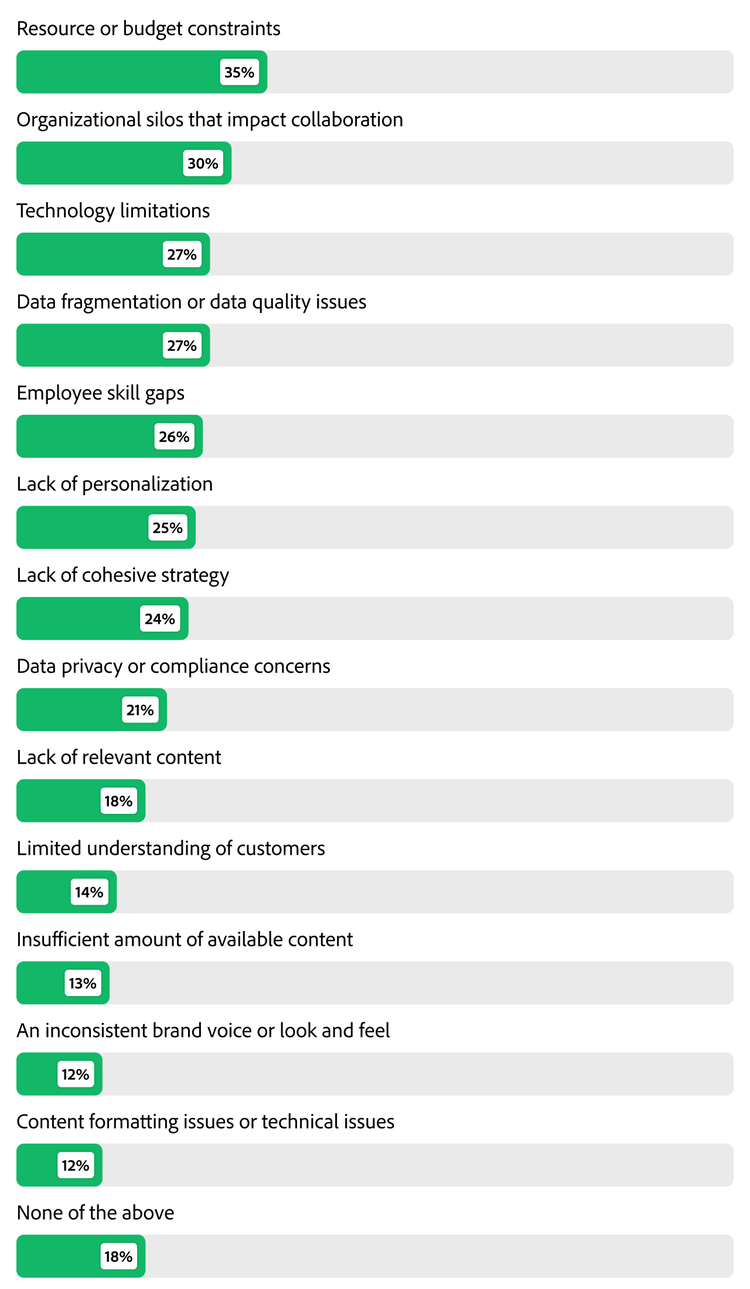
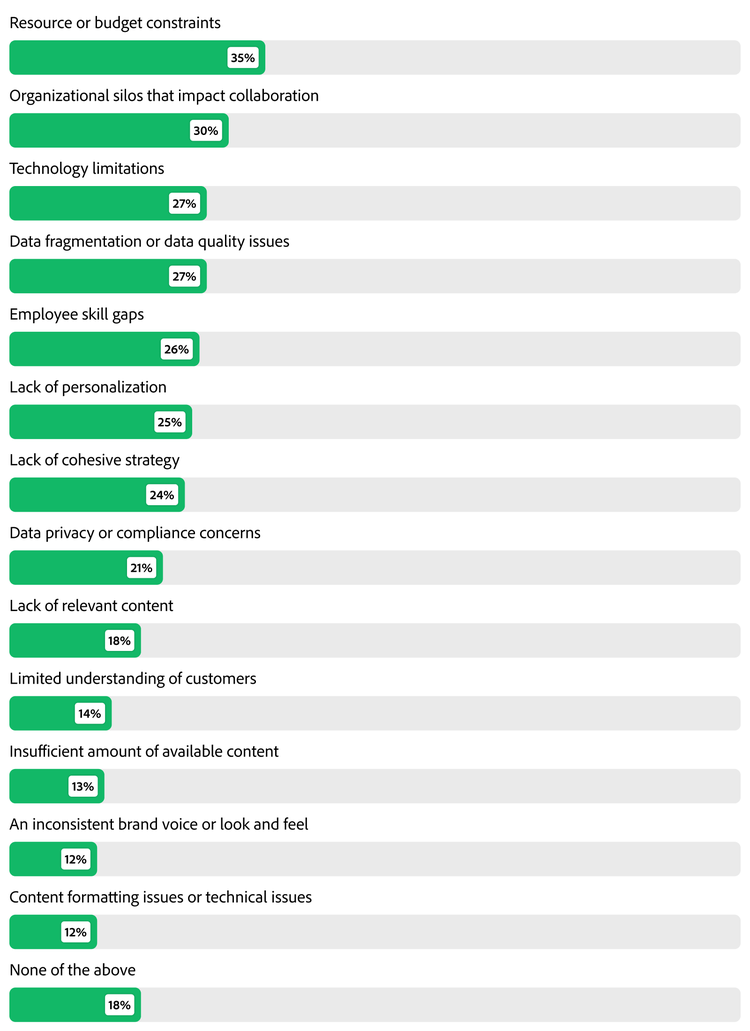
82% of marketers reported experiencing at least one internal issue that negatively impacted their company’s ability to engage customers, including resource or budget constraints, organizational silos, technological limitations, data fragmentation or data quality, and employee skills gaps. Some also cited issues of a lack of personalization, a lack of a cohesive strategy, and a lack of relevant content.
“We are siloed internally, and it shows.”
C-Suite or Top Executive, Marketing, Healthcare and Life Sciences
“We have technology limitations [that do] not allow for personalized offers.”
Director or Senior Director, Marketing, Retail and Consumer Goods
“Our capacity to maintain market competitiveness may be hampered by a skills shortage in this sector.”
Vice President, Marketing, Retail and Consumer Goods
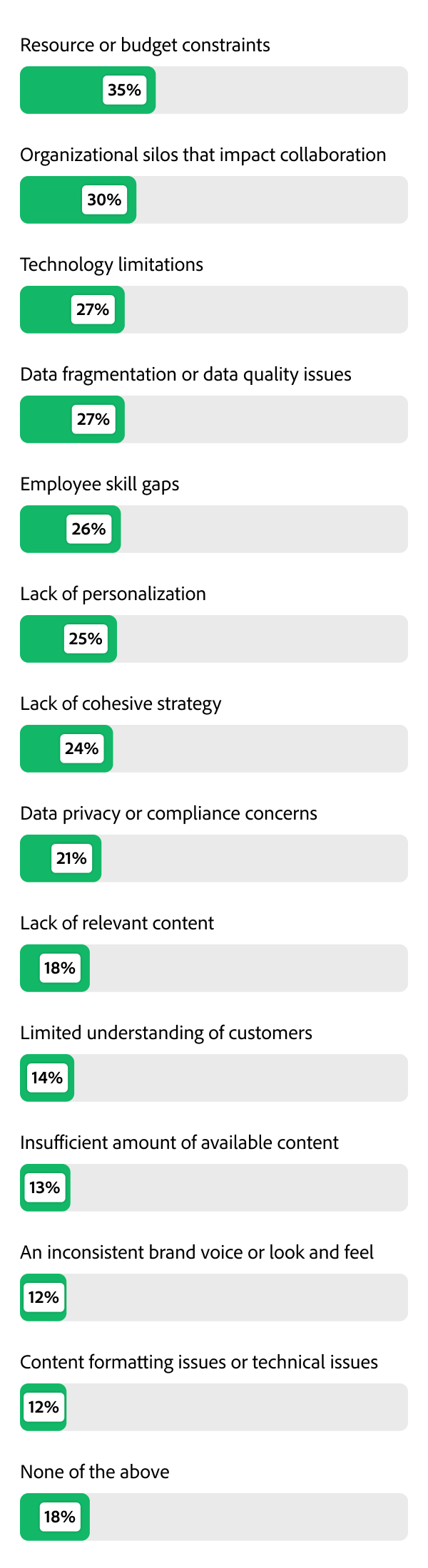
To recap, marketers are feeling confident about their ability to connect with customers, but they may be too confident. By contrast, consumers are feeling overwhelmed by the deluge of messages they receive every day. Brands may feel that they’re sending out the right number of messages to their customers, but those messages might be getting lost in the mix, given all the messages customers receive from other brands.
So how can brands rise above the noise and create compelling customer experiences for every new visitor or loyal brand advocate? Today, brands that want to take customer engagement to the next level should focus on enabling real-time, personalized, and customer-centric journeys that reach consumers at the right time, with the right message, on the right channel. Let’s look at what marketers and consumers had to say.
Consumers told us their favorite brands engage them at the right moments with personalized content. While personalization has been on marketers’ radar for years, consumers we spoke to highlighted opportunities to enhance it — including personalized offers, personalized timing, and personalization by channel.
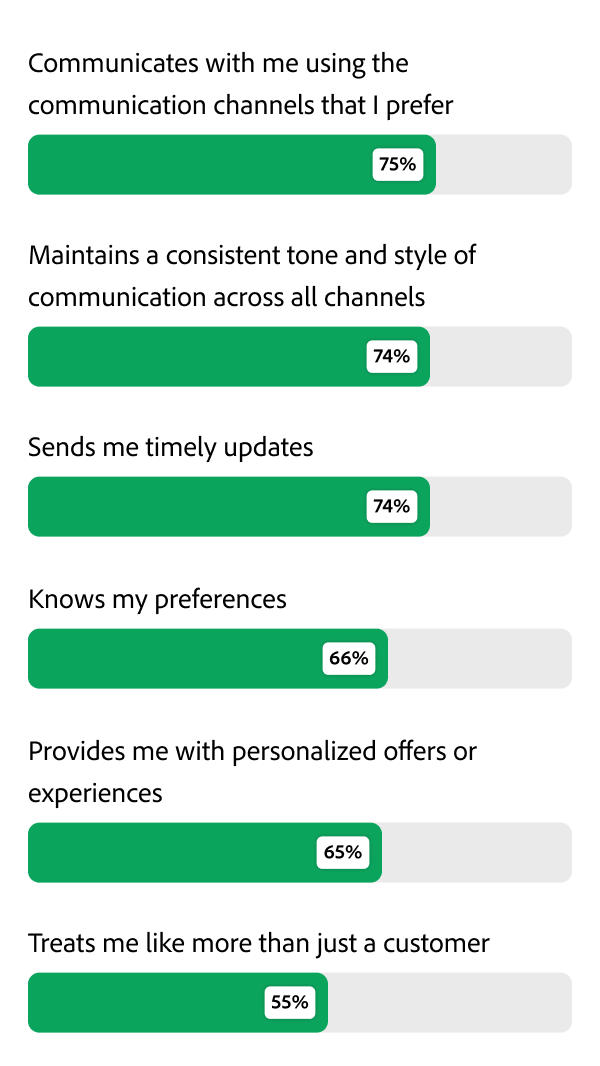
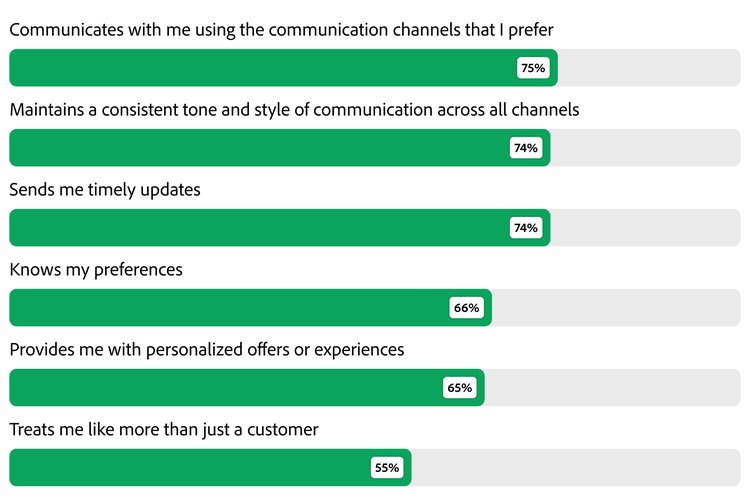
Many consumers said their favorite brand communicates with them using channels they prefer (75%), sends them timely updates (74%), knows their preferences (66%), and provides them with personalized offers or experiences (65%).
Consumers also told us that brands that invest in personalization benefit from increased consumer engagement.
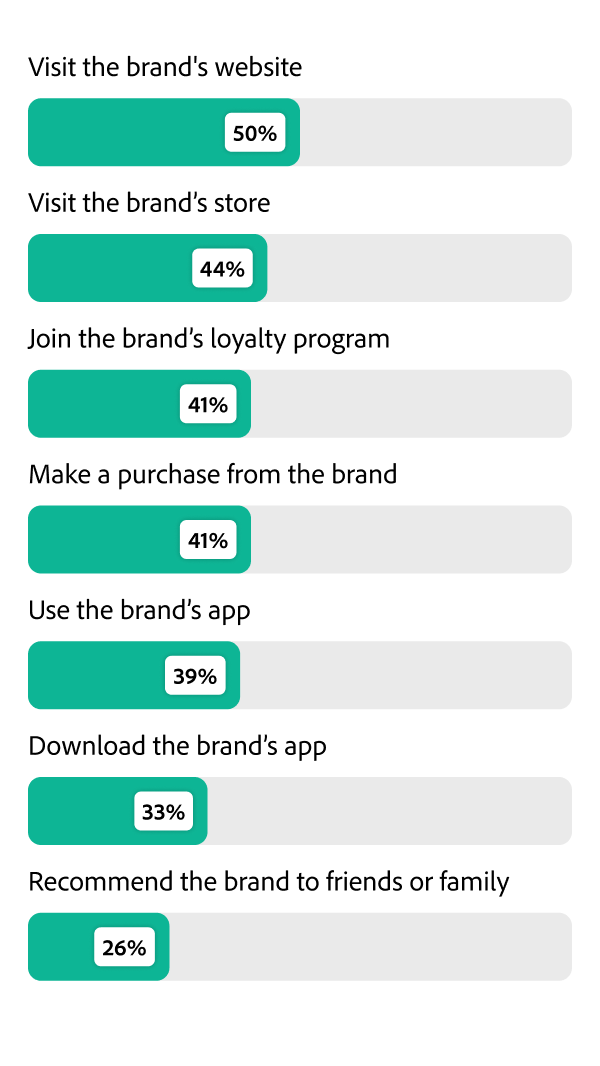
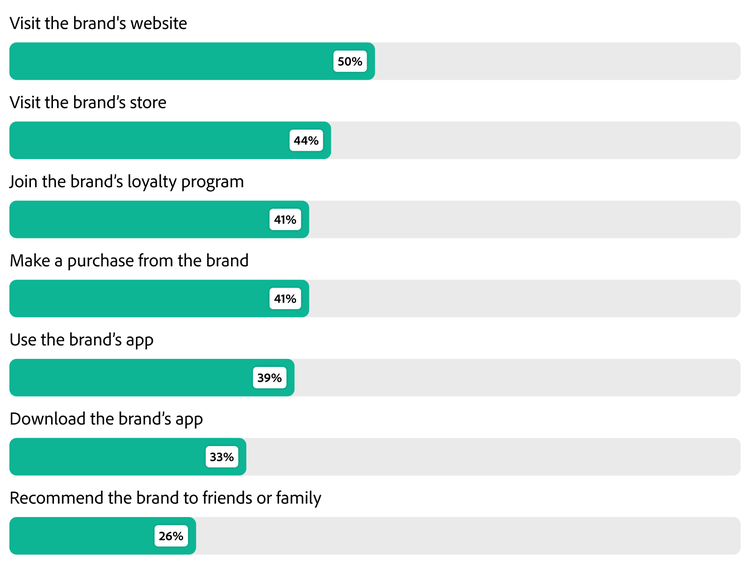
51% of consumers are more likely to read a message from a company or brand that is personalized. Also, a significant percentage are more likely to take action after receiving personalized content, including visiting a brand’s website (51%), visiting a brand’s store (44%), joining a brand’s loyalty program (41%), and making a purchase from a brand (41%).
Brands pursuing omnichannel personalization should consider going a step further by delivering tailored experiences across every touchpoint — from personalized in-store interactions and customized pick-up or delivery options to targeted offers at checkout. They can even leverage real-time push notifications or in-app messages when consumers use the brand’s in-store app with geo-location enabled.

While some level of personalization is the norm for brands, most still have work to do to implement best-in-class personalization across channels.
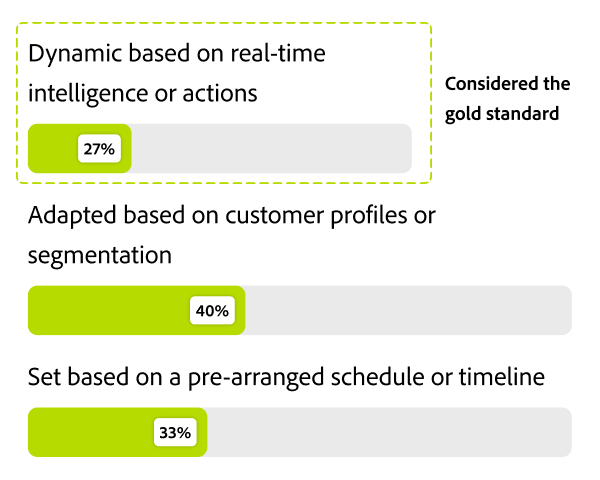
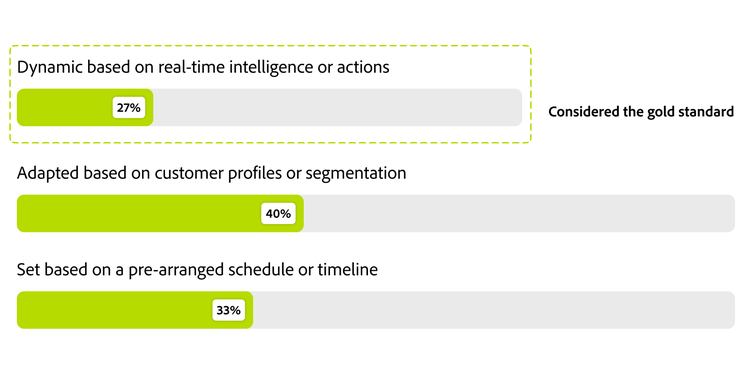
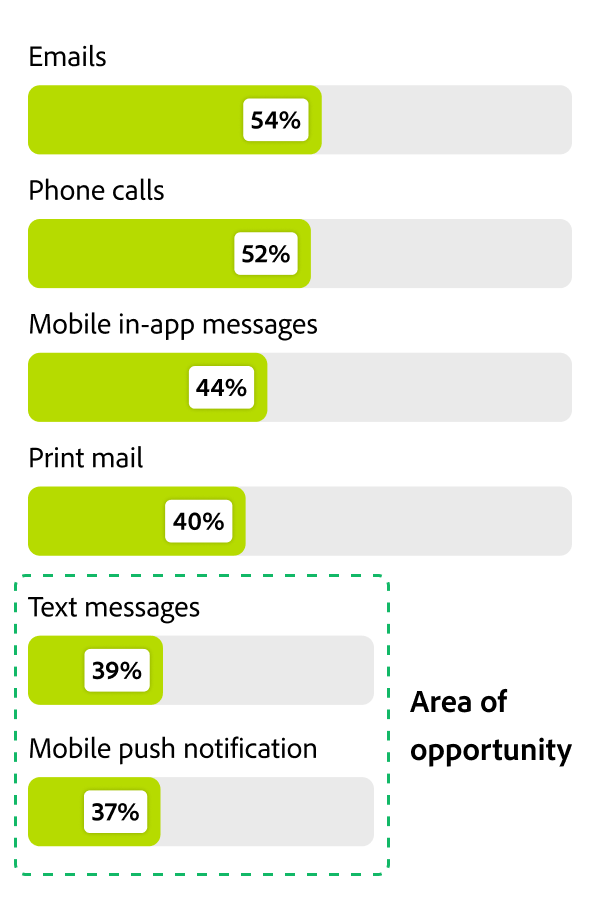
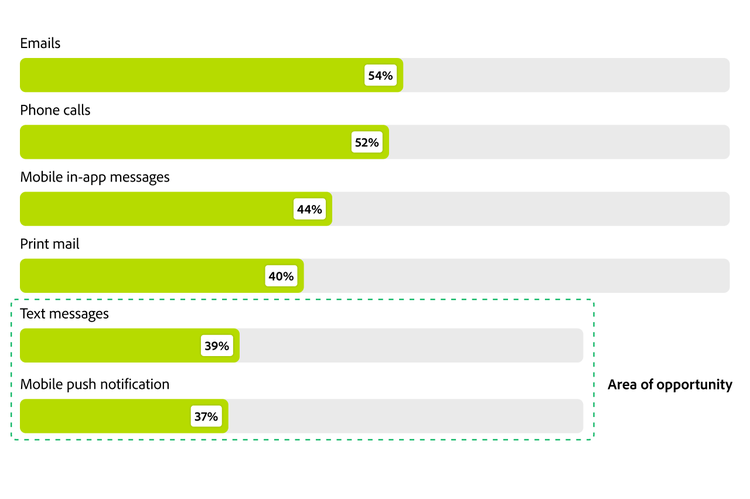
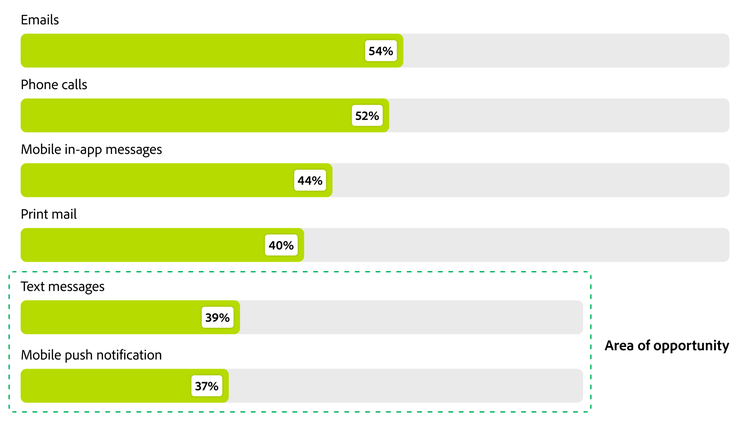
Survey results revealed that only one in four brands could adjust the timing of customer communications based on real-time intelligence or actions, which is considered the gold standard of personalization.
Generative AI is revolutionizing personalization.
It is being integrated across all areas of business, including customer experience. When traditional customer experience technology is augmented with generative AI, marketers can work faster, more efficiently, and more creatively.
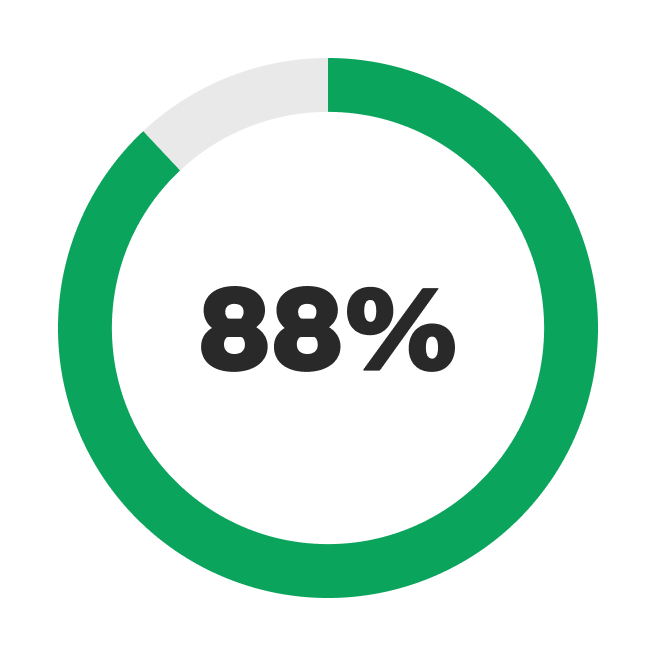
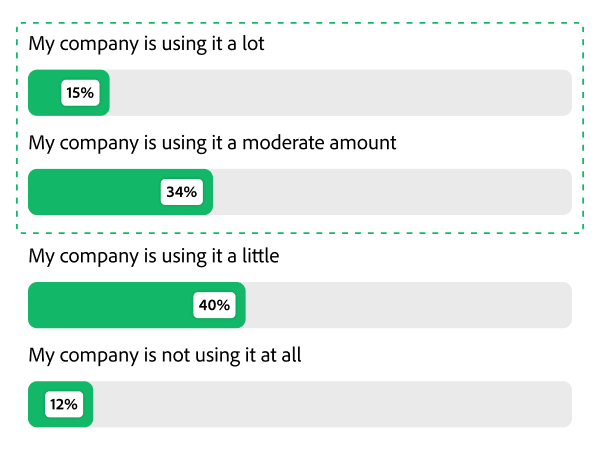
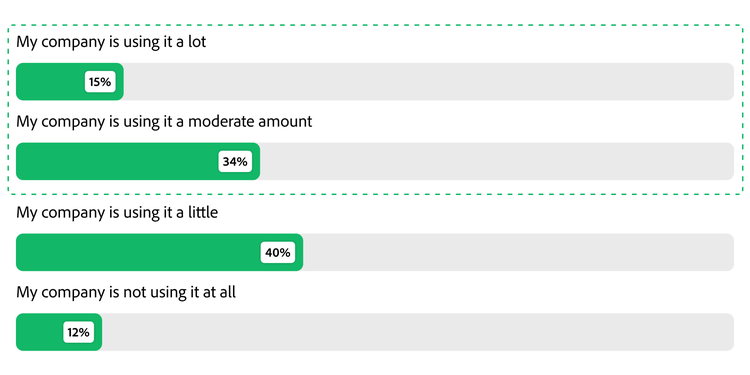
Most marketers told us their company has started the journey of using generative AI, and many said that personalization is one of its most common uses. 88% of marketers said their companies have at least started using generative AI, with 49% of marketers saying they use it a moderate amount (34%) or a lot (15%) for marketing purposes. 48% expect their company’s use of generative AI in this regard to increase in the next 12 months.
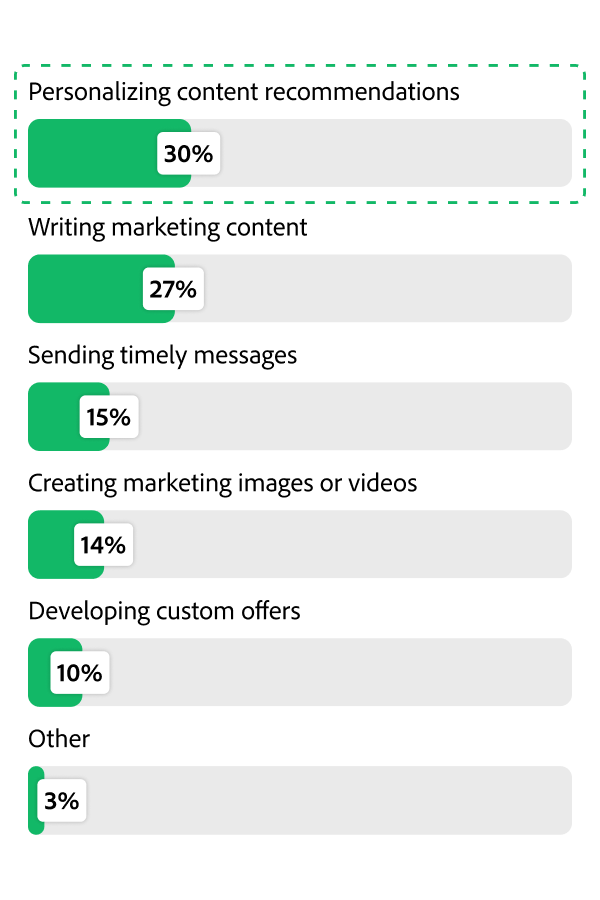
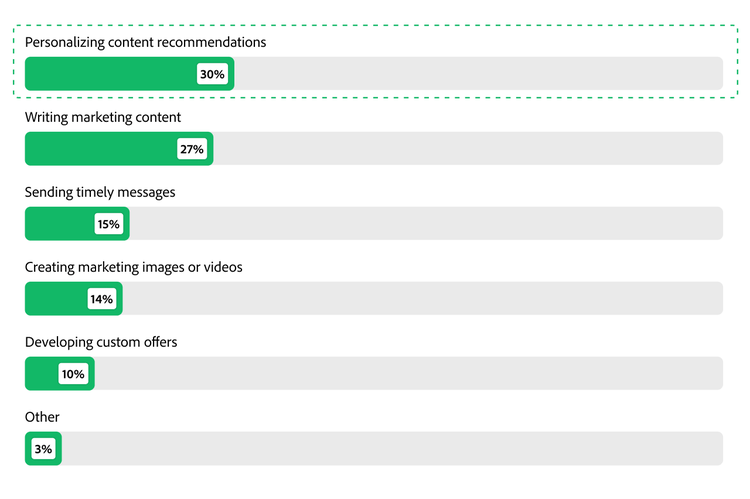
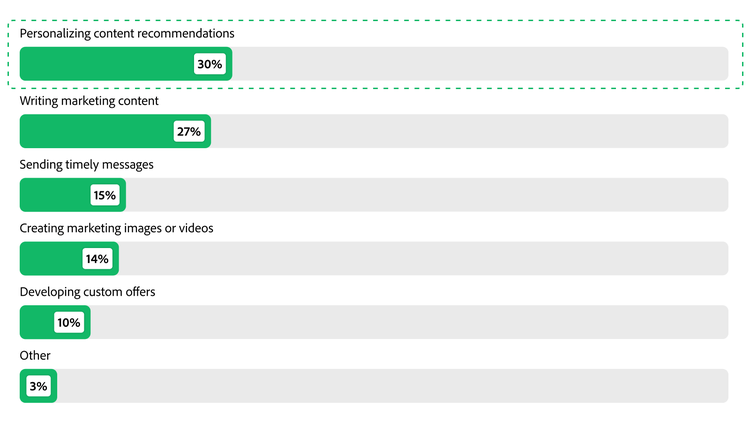
Marketers told us that the most common use of generative AI for marketing was for personalization (30%), followed by using it to write marketing content (27%), send timely messages (15%), and develop custom offers (10%).
With widespread adoption of generative AI already underway, brands that want to remain competitive need to be forward-looking in how they use it to shape their personalization efforts.
Email continues to be an important channel, and for some types of communication, it remains the best option. However, brands should avoid depending on email too much because consumers ignore a large percentage of these communications.
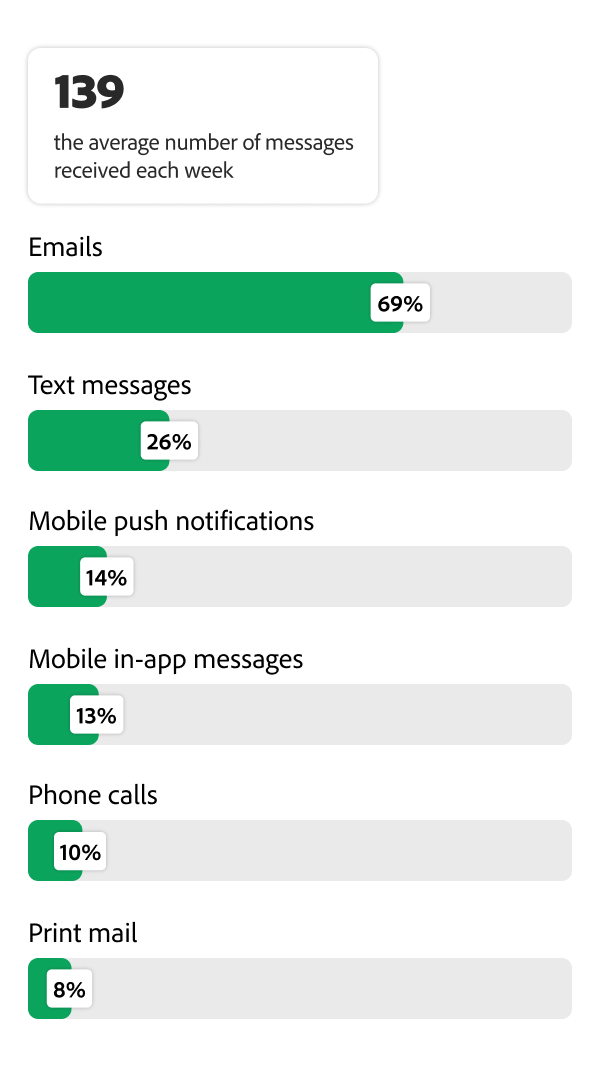
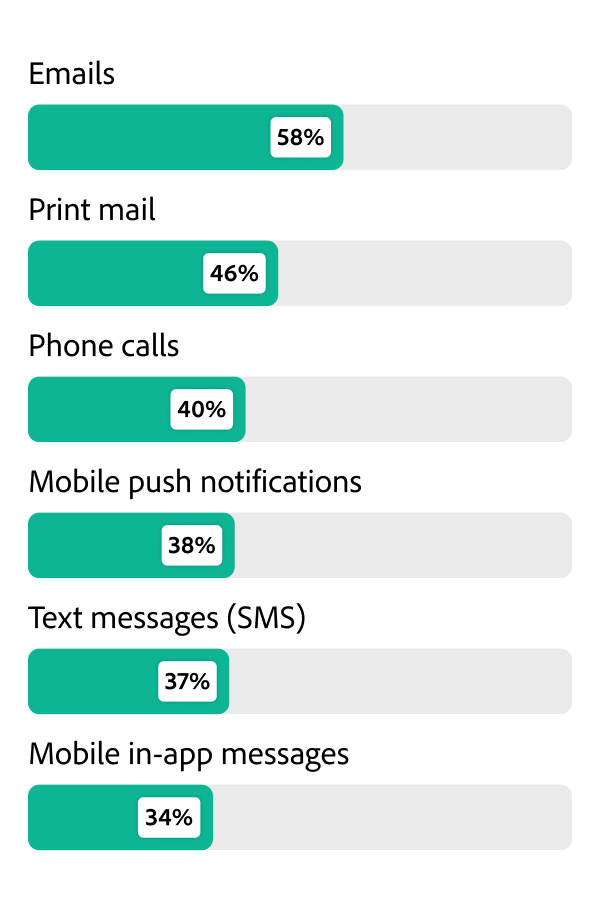
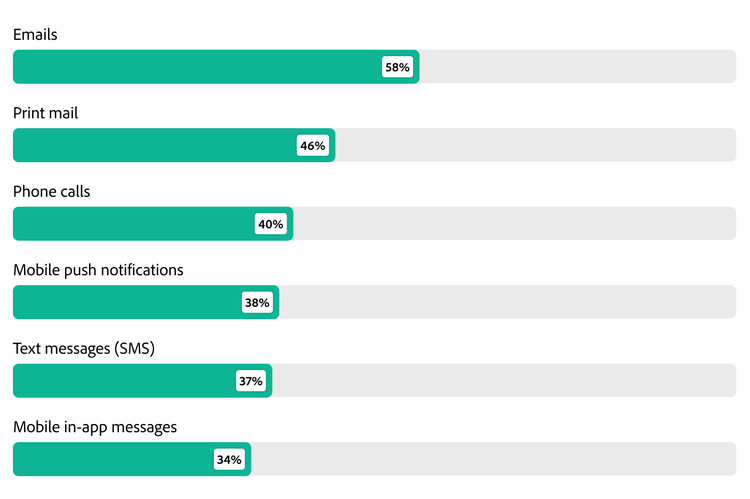
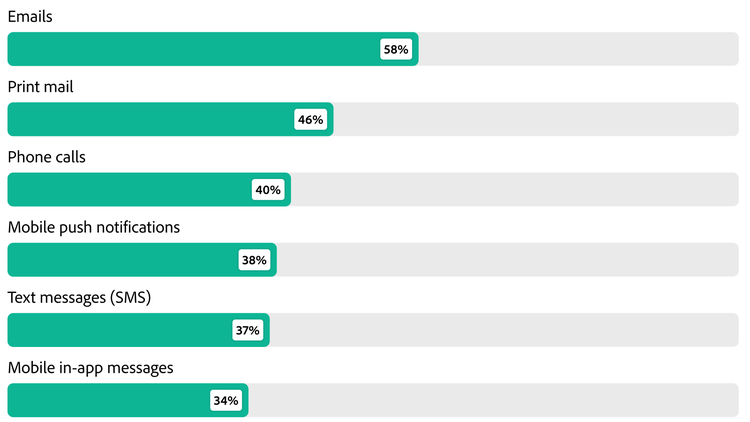
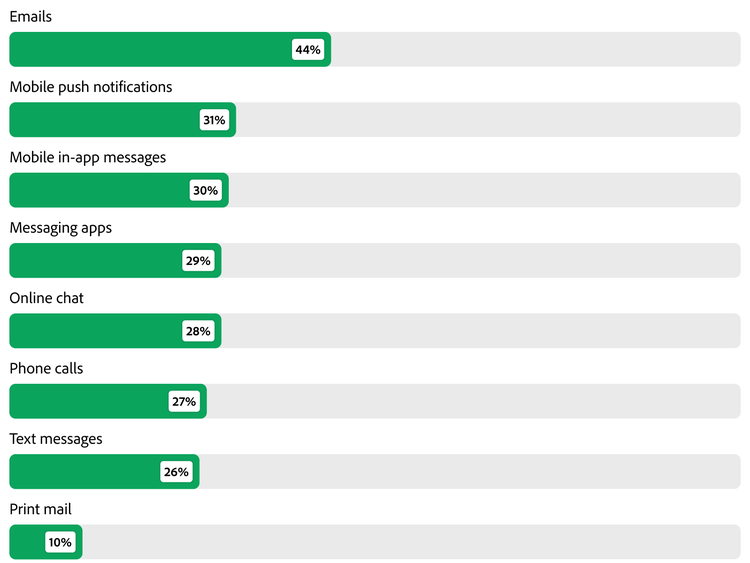
Consumers told us they receive far more brand messages by email than any other channel, but they also disregard emails more than any other type of communication.
Over half of emails (58%) are deleted or ignored without consumers reading them. If marketers focus too much on email, they could risk getting lost in consumers’ email inboxes.
“It’s on rinse and repeat. Our audience is conditioned to expect them, and they are older.”
Vice President, Product, Financial Services and Insurance
“Email is not dead. It is easy to utilize and get info out there.”
Director, Marketing, Education
Customers today are on the move. They are not stuck at a desk behind a computer or waiting at home for print mail or a landline call. Mobile devices allow shoppers, travelers, fans, and banking and insurance company customers to stay engaged, anywhere and anytime.
Mobile puts the customer in control, but it also increases their expectations for real-time, personalized engagement. Engaging customers through their mobile devices, via SMS, push notifications, and in-app messages, is therefore a critical part of a brand’s omnichannel customer journey management strategy.
Since mobile engagement plays such an important role in real-time contextual communications with prospects and customers, it provides a great opportunity for a brand to activate customer interest or adoption in real time. Let’s look at how our survey results back up the recommendation to focus on mobile, with its higher signal-to-noise ratio, for fueling customer-centric journeys.
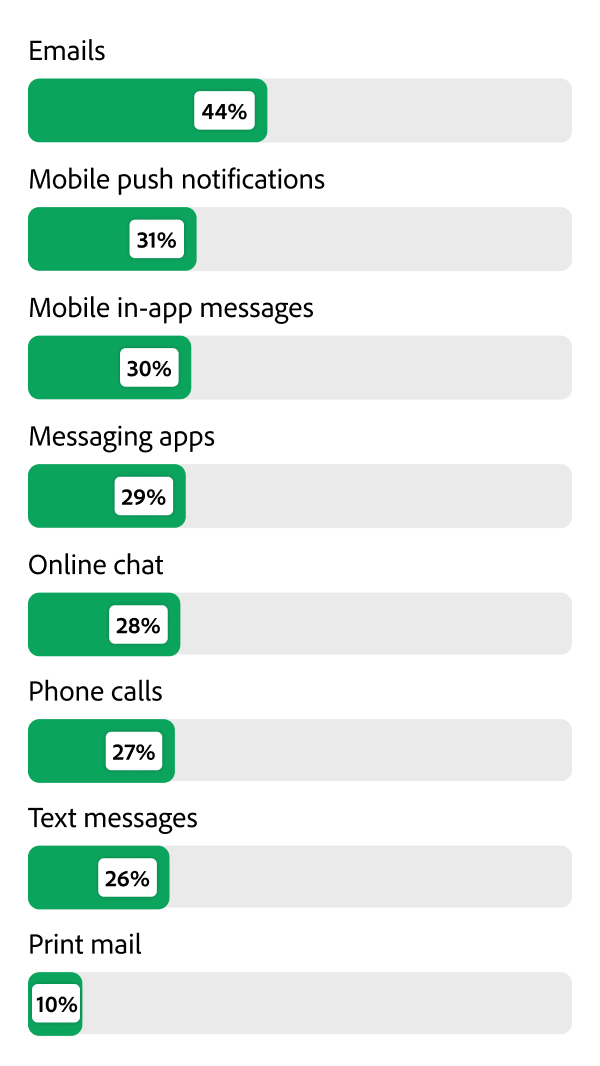
A key step brands can take for customer journey optimization and create real-time, customer-centric moments is to increase investments in mobile communication channels. There are several advantages to doing so, and these were reflected in our surveys.
1. Emails
2. Text messages
3. Mobile push notifications
4. Mobile in-app messages
5. Phone calls
6. Online chat
7. Messaging apps
8. Print mail

High ROI
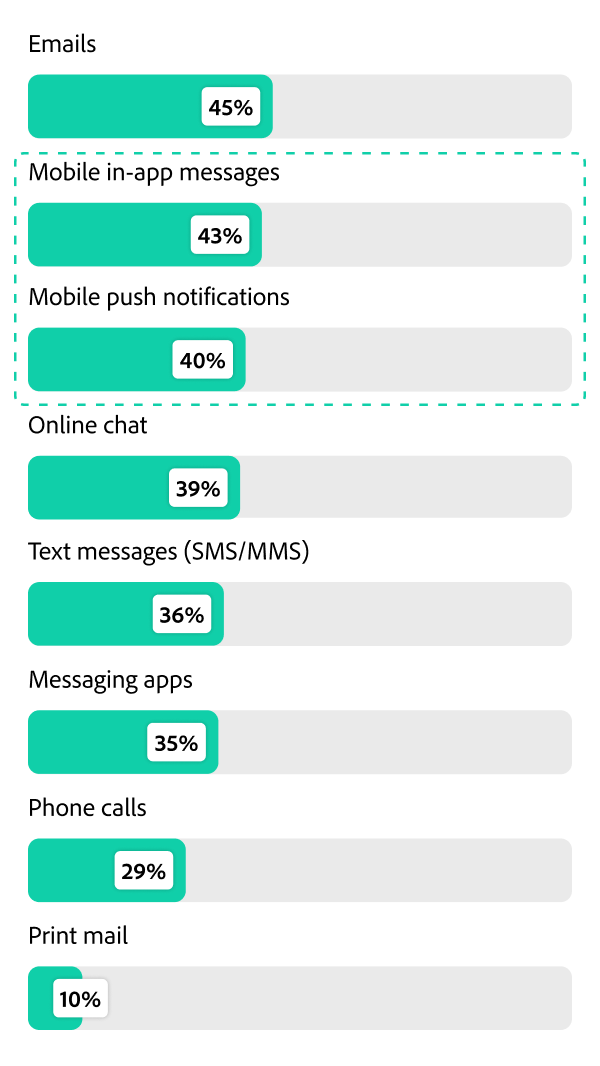
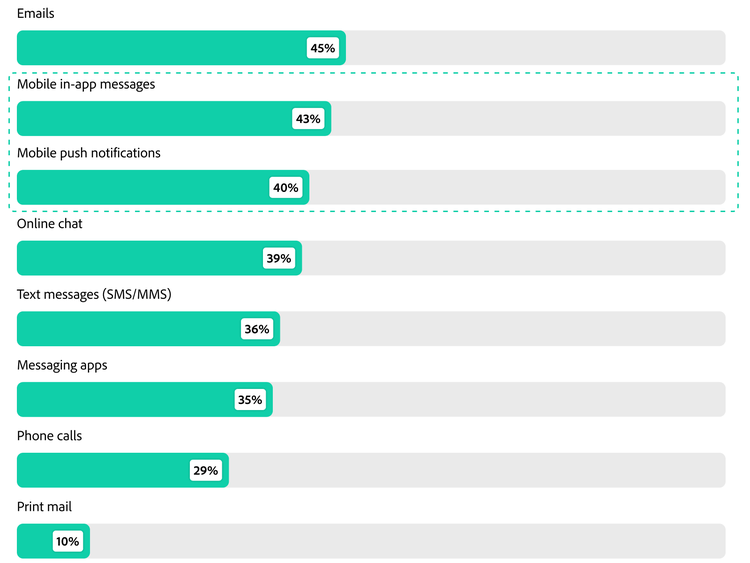
Marketers rank mobile communications highly for ROI, with text messages, push notifications, and in-app messages coming in just behind email.

Indispensable devices
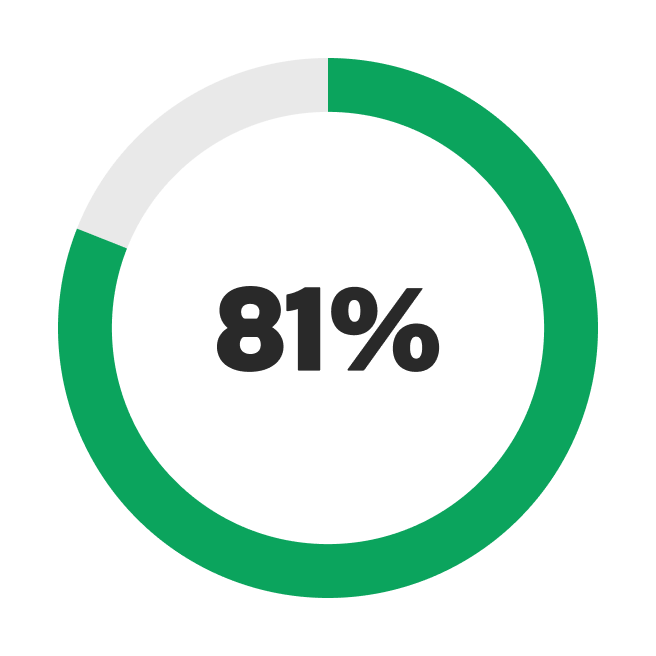
Mobile phones have become an indispensable part of consumers’ daily lives. 74% of consumers told us they consider their mobile phones to be highly important, while 57% said they could not get through their day without their mobile phone.

Higher chance of engagement
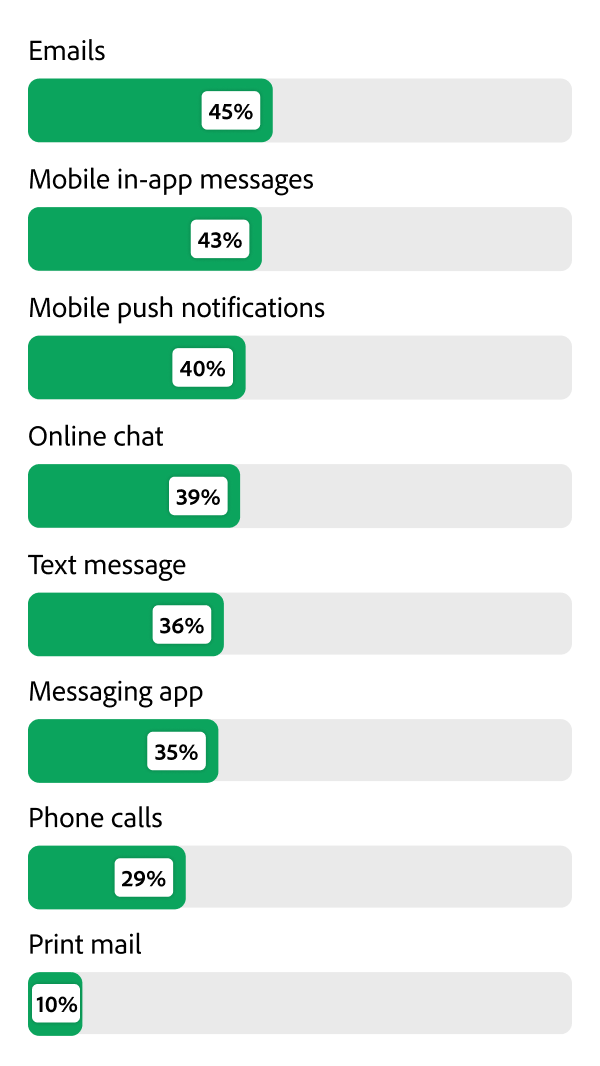
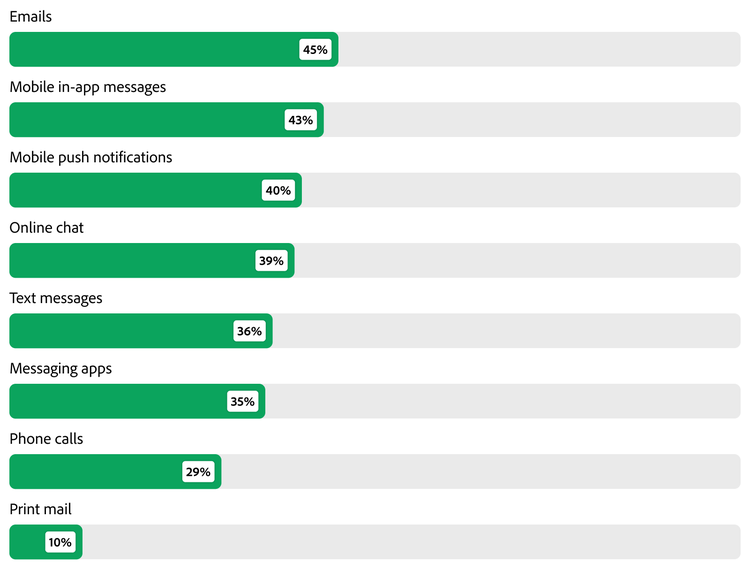
Mobile communications are more likely to reach customers. In contrast to email, which is deleted or ignored 58% of the time, mobile channels like in-app messages, push notifications, and text messages are deleted or ignored between 34% to 38% of the time. In other words, mobile communication connects with consumers between 62% and 66% of the time, leading to more consumer activation and increased customer engagement opportunities.

Break down silos
For brands struggling with siloed teams, mobile engagement can bring together product, marketing, engineering, and growth teams to achieve customer-centric engagement.
Consumers told us that apps are central to their mobile experiences and brand interactions. They reported having an average of 37 apps on their mobile phones, and 40% said they have more apps now compared to a year ago. Most consumers prefer using the mobile app instead of the mobile website of their favorite brand. Many feel that apps are better optimized for mobile than websites.
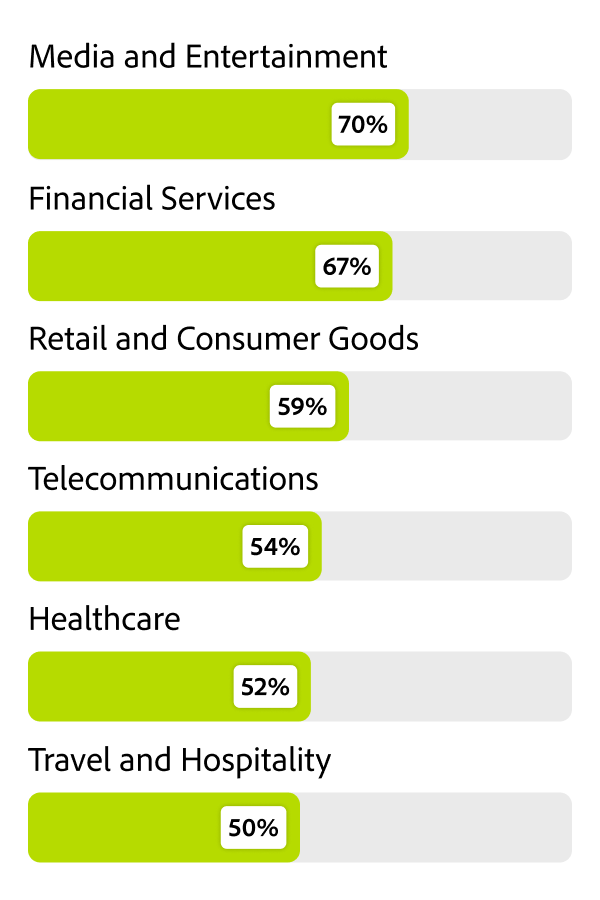
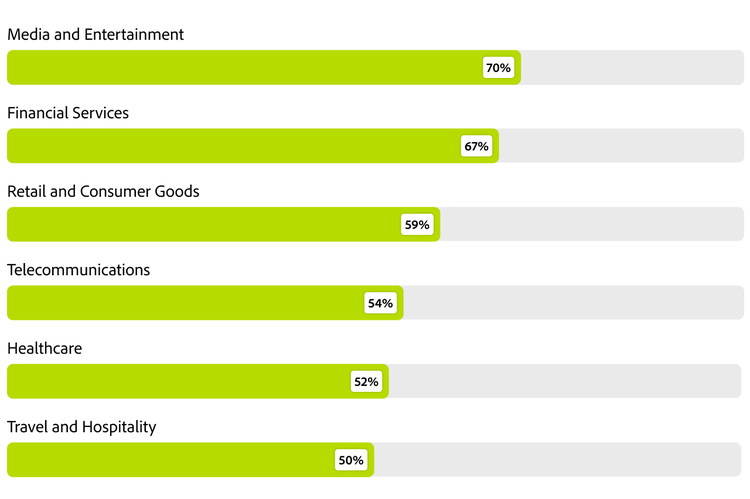
63% of consumers prefer to use a mobile app to engage with or access their favorite brand’s products and services, with ease of use and convenience among the top reasons for that preference. This consumer preference for mobile apps was strongest for favorite brands in media and entertainment (70%) and financial services (67%).
“Things load faster usually on an app and are easier to use.”
Gen Z
“[The mobile app] seems easier to navigate and track my orders and purchases.”
Baby Boomer
“It’s easier to open through the mobile app. And the mobile app has your purchase history on it.”
Gen X
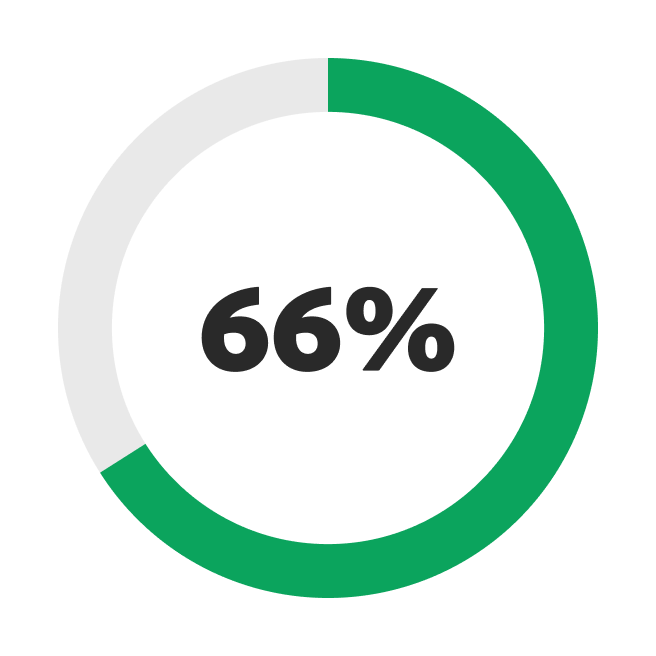
Marketers agreed about the value of a mobile app as well. 66% of marketers believe that customer lifetime value increases when a customer downloads a brand’s app.
Personalized mobile app engagement can also increase product adoption and prevent app abandonment, ultimately improving CX and customer lifetime value.
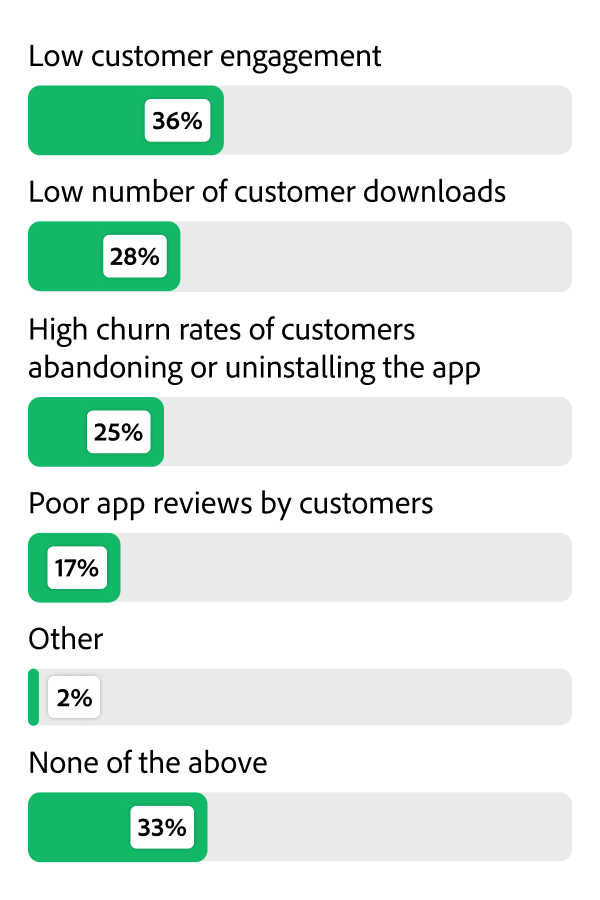
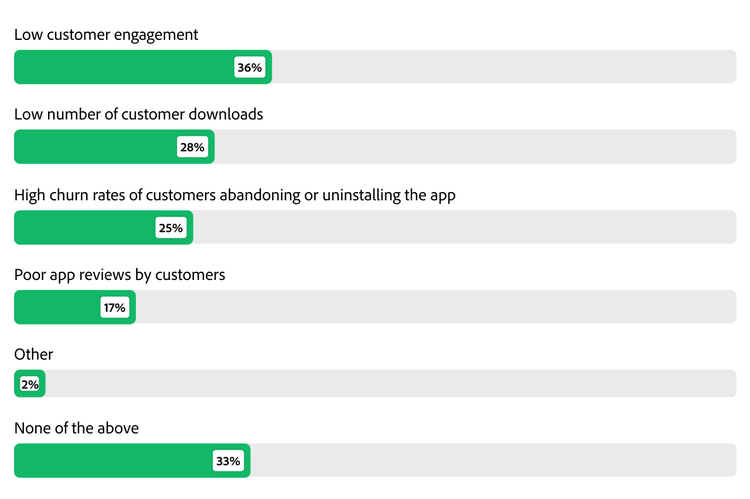
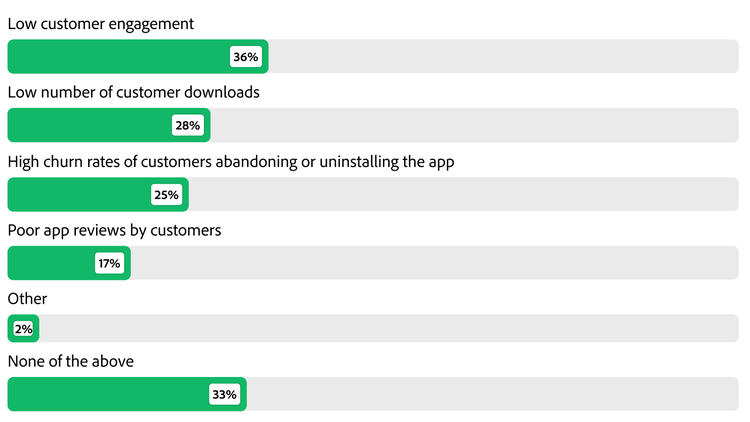
There is plenty of room for improvement on mobile communication, with two-thirds of marketers saying they experience one or more engagement-related issues with their company’s mobile app, including low customer engagement, low number of downloads, and high churn rates.
For today’s demanding, on-the-move consumers, their mobile phone is essential for engaging with brands, and personalization is expected. For brands, more customer journey touchpoints mean more opportunities to shine or stumble.
Many marketers may be feeling confident about their ability to connect with customers, but customers are telling a different story. They’re overwhelmed with messages, and they’re unsubscribing and deleting their way out. Brands that want to avoid being ignored or deleted, rise above their competitors, and connect with their customers in a meaningful way should focus on providing real-time, customer-centric experiences that connect with consumers at the right time, with the right message, and on the right channel.
Engaging with customers via mobile communication channels and using personalization are two important ways to create meaningful and connected experiences that turn prospects into loyal customers. But there’s so much more a brand can do to build loyal customers — from personalizing in real time to connecting with customers across channels and tapping into the power of generative AI to create personalized content, optimizing message send-times, and more.
Most brands are on their own journeys to transform their customer engagement efforts from complex, experience-based approaches that don’t quite hit the mark to orchestrated, real-time, personalized communications across channels that resonate with each customer and make a positive impact on both the customer and the brand’s bottom line.
That’s where Adobe Journey Optimizer can help.
Adobe Journey Optimizer is a unified application that orchestrates personalized interactions between brands and consumers — from planned campaigns to dynamic customer journeys — across engagement channels, including email, websites, web apps, mobile SMS/MMS, mobile apps, physical spaces, point of sale, etc.
Built natively on Adobe Experience Platform, Journey Optimizer manages scheduled cross-channel campaigns and real-time, one-to-one engagement for millions of customers — with every journey optimized through intelligent decisioning and actionable insights.
Journey Optimizer helps you work smarter, faster, and with greater ease.