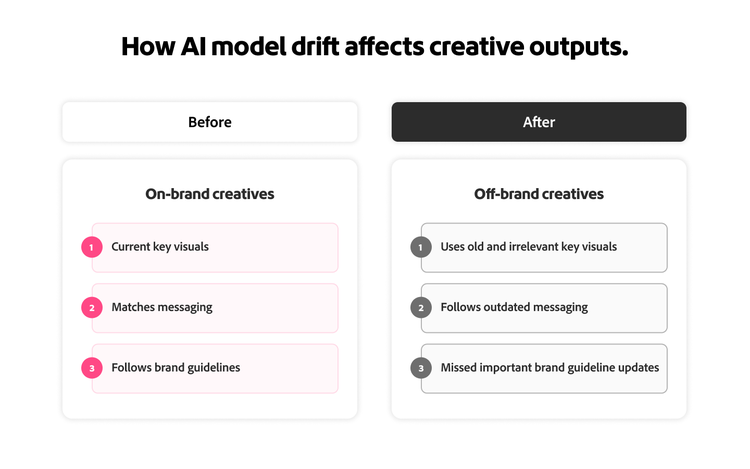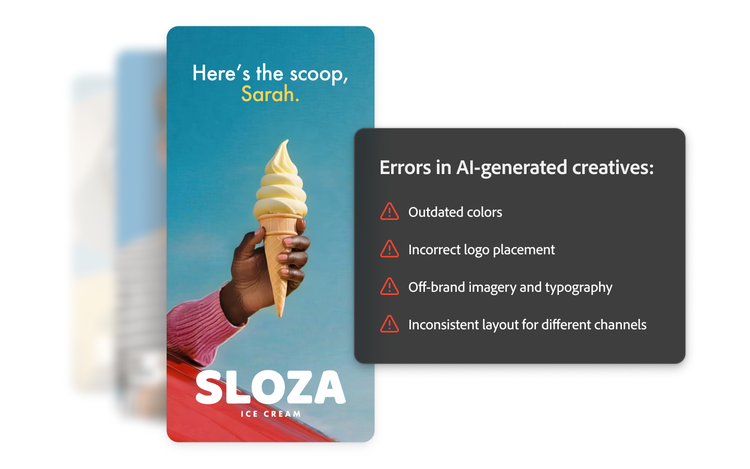
AI models are actively changing how enterprises approach creative production. Imagine this increasingly common scenario: AI/ML researchers and software engineers trained a customised AI model on their brand's visual assets to generate content more efficiently. The early results were impressive. Content moved through production faster, creative teams spent less time recreating visual iterations and outputs consistently reflected the brand. Six months later, however, the visual outputs felt outdated and inconsistent. They no longer matched the tone or creative direction that teams expected.
The brand kept evolving with new campaigns, an updated visual identity and a shift in messaging, while the model continued to generate content based on what it learnt the day training ended. Enterprises face this challenge as they scale creative production with AI. Models trained on brand assets do not produce relevant content on their own. Over time, they may not reflect evolving brand standards, business priorities or campaign shifts.
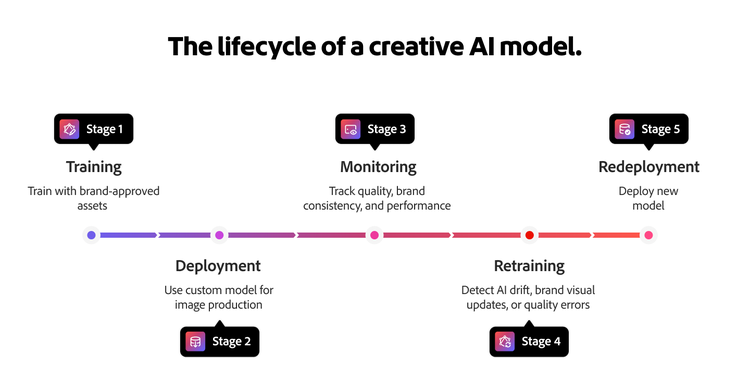
According to Adobe's 2026 AI and Digital Trends Report, 76% of 3,000 surveyed executives and practitioners in CX roles report either strong or moderate improvements in the volume and speed of content production with generative AI. As enterprises continue investing in customised AI models to scale creative production, it’s just as important to maintain model quality after configuration and deployment. Retraining AI models is important for teams to maintain content quality, consistency and brand alignment in AI-generated outputs.
The article will cover: