Many of the challenges organisations encounter with AI do not originate with AI itself. They stem from fragmented datasets, inconsistent business definitions, limited visibility into data lineage and governance practises that were not designed for AI-driven analytics.
As organisations expand the role of AI, these foundations become more important.
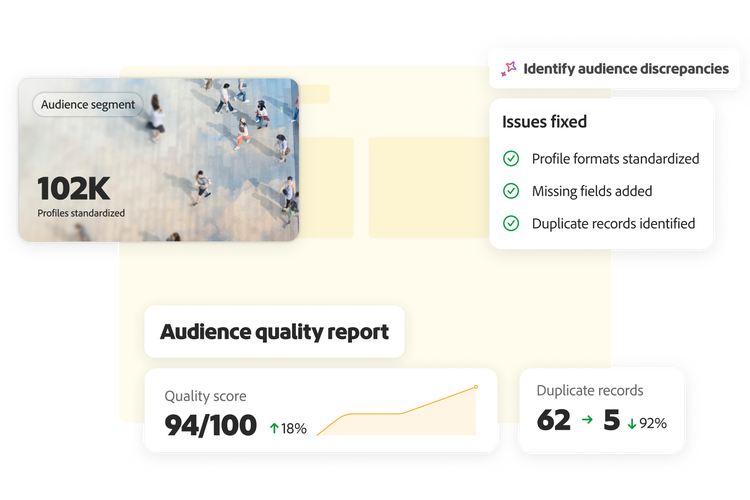
Every insight reflects the quality of the data behind it. Missing records, duplicate entries, inconsistent classifications and outdated information introduce errors long before users see the output.
AI can help to detect and resolve these issues — but the foundation still depends on consistent, well-integrated source data across platforms and repositories.
Metrics such as revenue, churn, engagement, attribution and customer lifetime value are often calculated differently across teams. When AI systems operate across multiple datasets and departments, those inconsistencies can lead to confusion.
Shared business definitions and semantic layers help establish a common language for analytics. This ensures that insights remain consistent regardless of who is asking the question, which report is being referenced or which system is generating the answer.
Data lineage provides visibility into how information moves through systems, while auditability shows how analytical outputs were produced.
These practices support many of the transparency and explainability requirements — making it possible to trace an insight back to its source when accuracy, governance or compliance questions arise.
Analytics environments combine customer, financial, operational and employee data. Role-based permissions help ensure that access remains consistent across both traditional analytics and AI-powered experiences, so AI never surfaces information beyond a user's authorised access.
Historical bias, changing market conditions, incomplete customer records, underrepresented audiences and missing offline interactions can all influence analytical outputs. AI can identify patterns within available data, but it cannot account for information that was never captured or context that exists outside the dataset.
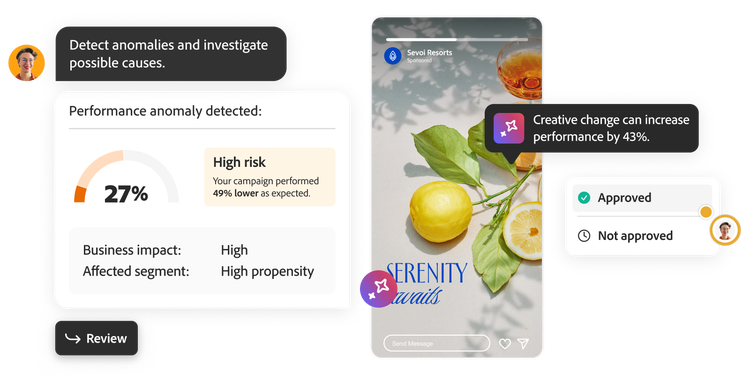
This is why human judgement remains essential. Analysts and business leaders bring operational knowledge, market awareness and situational context that help determine whether an insight reflects a meaningful business signal or a limitation in the underlying data.