2026 AI and Digital Trends in the Public Sector
The Path to AI-Powered Citizen Experiences for the Public Sector
Explore the top industry insights from Adobe’s 2026 AI and Digital Trends research to understand the actions organisations must take now to convert AI investment into modern, citizen-first delivery.
Jump to the Top Trends




How Public Sector Organisations Are Turning Early AI Wins into Modern, Citizen-First Service Delivery
The public sector has made real progress on AI, pairing early innovation with a strong vision for conversational citizen experiences. Yet foundational gaps in data unification, workforce readiness, strategic alignment and governance continue to limit the sector’s ability to transform isolated AI wins into mission-wide impact. The next phase of progress will depend on strengthening organisational readiness to turn AI ambition into lasting, citizen-first service delivery.
This overview explores the Adobe 2026 AI and Digital Trends findings across three critical areas for public sector organisations: building on early AI wins, advancing conversational citizen service and closing the gap between AI ambition and execution.

Section 1
Building on Early AI Wins
Generative AI is already delivering notable gains for the public sector — sharpening strategic focus and fuelling experimentation, backed by a strong security foundation. The opportunity for organisations now is to scale these wins across more functions and services.
AI adoption is still maturing, but priority use cases are emerging.

Generative AI is already reshaping internal work and innovation.


Strong security controls set the guardrails for trusted personalisation.
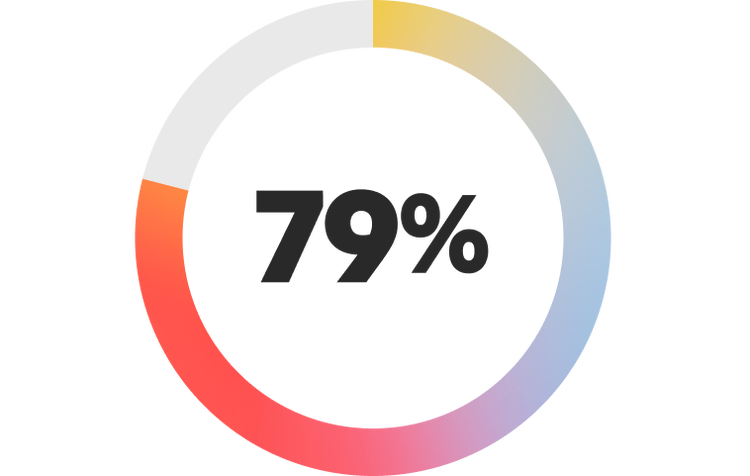
have security and privacy controls in place for their AI tools.
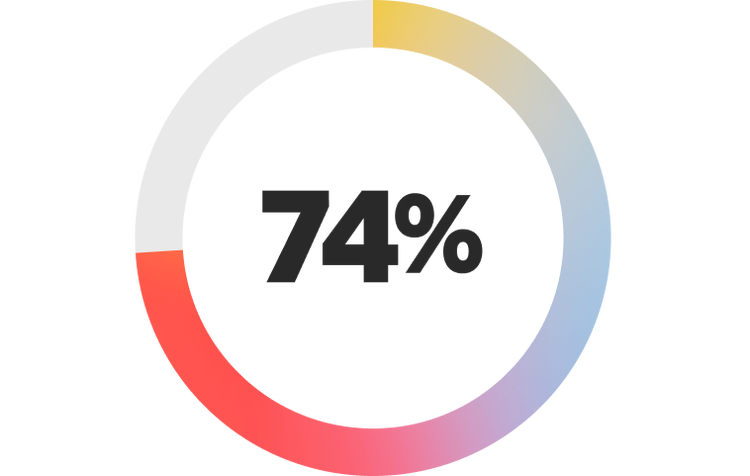
say personalisation metrics have improved over the past three years.
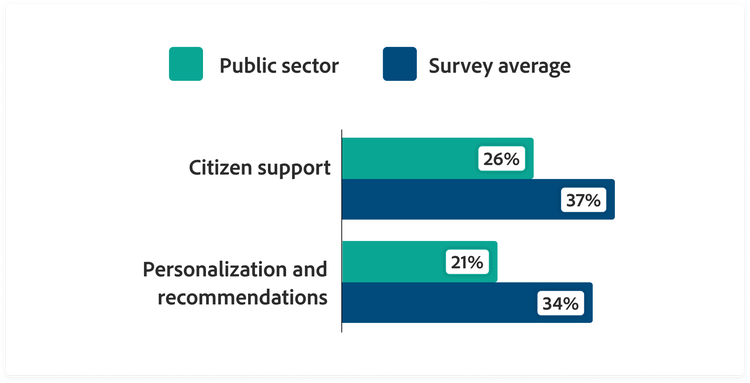
But AI is not yet woven into everyday work.

AI deployment in citizen-facing services has yet to scale.

Section 2
Advancing Conversational Citizen Service
Public sector organisations widely believe that AI will improve citizen experiences and see conversational engagement as a powerful opportunity. Realising that potential means pairing AI investment with the transparency and oversight needed to strengthen citizen trust.
The public sector has high ambitions for conversational citizen engagement.


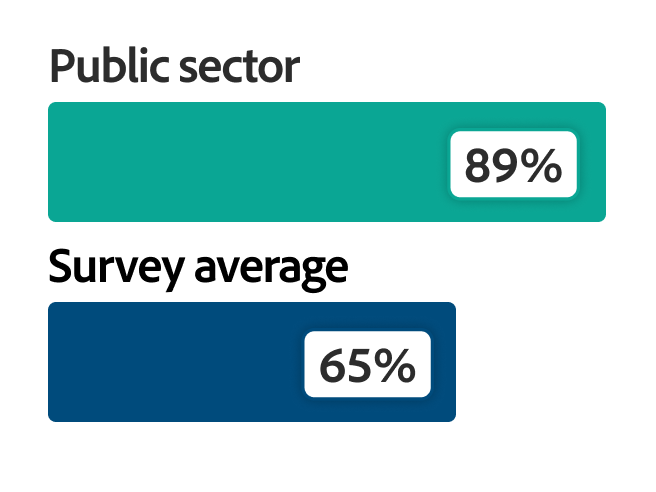
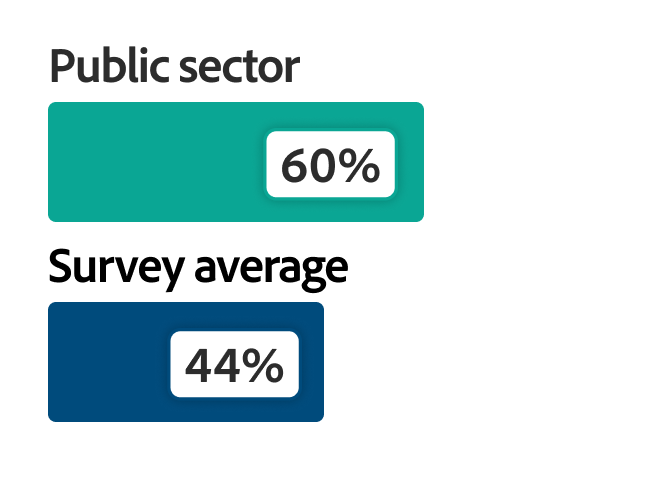
Optimism about AI experiences is high — but so is caution about public readiness.
Percentage that agrees with each statement:
To maintain citizen trust in agentic AI, the public sector prioritises these actions:





Section 3
Closing the Gap Between AI Ambition and Execution
The public sector has ambitious plans for AI, but execution remains constrained by organisational barriers — from data and skills to alignment and governance. Resolving these constraints will be critical to scaling AI and extending agentic AI into citizen-facing services.
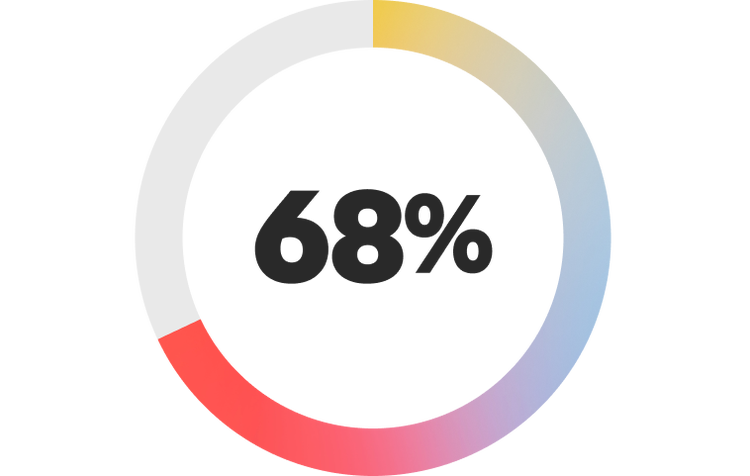
The sector’s ability to advance AI is held back by foundational data and workforce gaps.
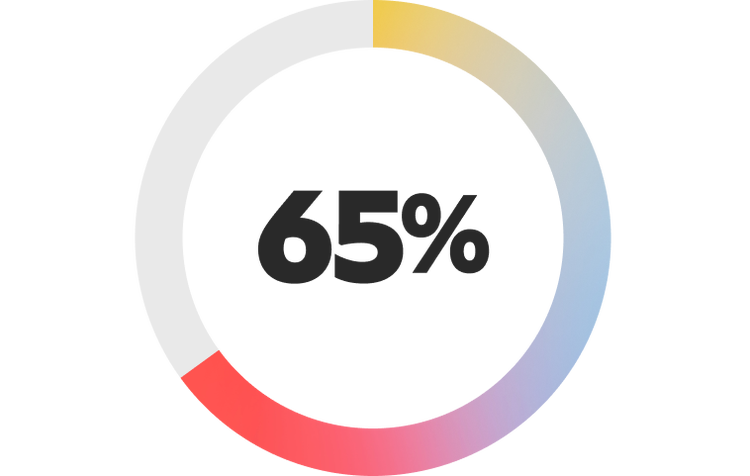
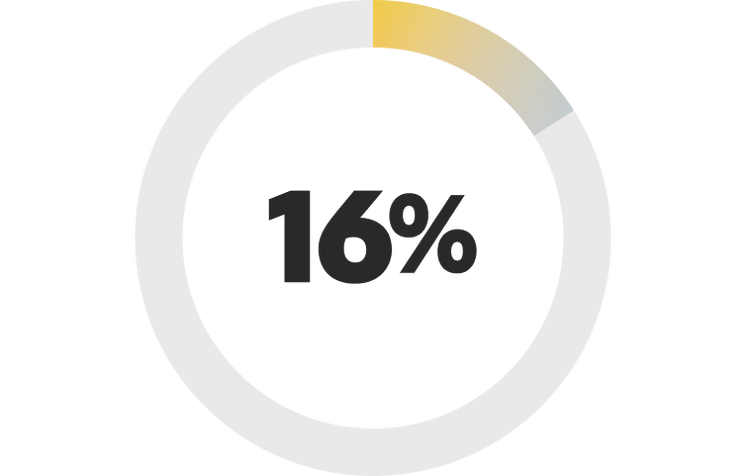
Strategic alignment remains a challenge.

Weak governance is a major barrier to scaling AI.


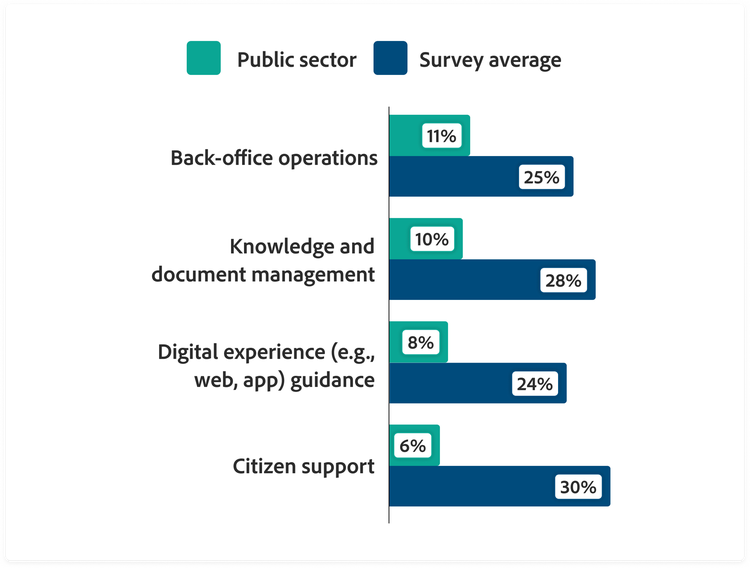
Agentic AI deployment lags across workflows — including those that matter most for citizen service.
Section 4
The Bottom Line for the Public Sector
The path forward requires strengthening the data, governance and strategic alignment foundations that turn early AI wins into mission-wide, citizen-first service.
Organisations that address these challenges while protecting citizen trust will convert today’s investment into lasting service-delivery advantage. Here are the top three action items for public sector organisations:

Expand on proven wins.
Build on demonstrated gains in strategic focus and experimentation to extend AI into the citizen-facing and agentic workflows where deployment still lags.

Modernise the foundation before scaling.
Unify data, codify governance, upskill employees and align executives and practitioners to transform AI ambition into citizen-facing impact.

Make trust the precondition for every interaction.
Lead with easy human escalation, clear AI disclosure and human-in-the-loop review to earn the citizen trust that adoption depends on.
APPENDIX
Research Methodology
For Adobe’s 16th annual AI and Digital Trends research, Oxford Economics, in partnership with Adobe, conducted global surveys of 3,000 executives and practitioners and 4,000 individuals to better understand how organisations are leveraging AI to capture interest, build loyalty and augment experience workflows — and how individuals are responding to these changes. The surveys were fielded online and via computer-assisted telephonic interviewing (CATI) from October through November 2025. “Public sector” refers to a global set of executives and practitioners from organisations in the public sector. This group makes up 8% of respondents and represents a wide range of organisation sizes. View the 2026 AI and Digital Trends report for more on the full research methodology.
Recommended for you