How AI personalises the entire customer journey.
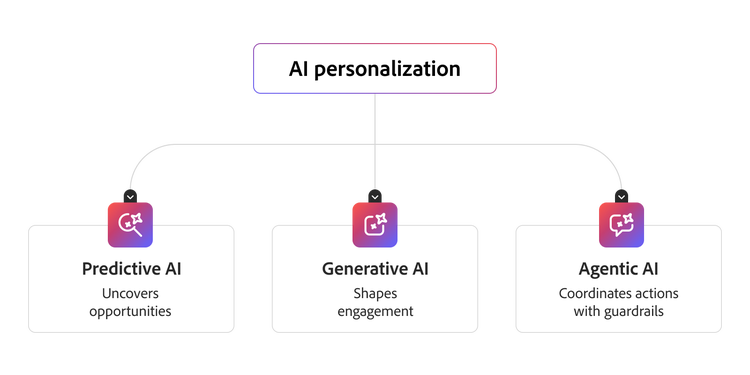
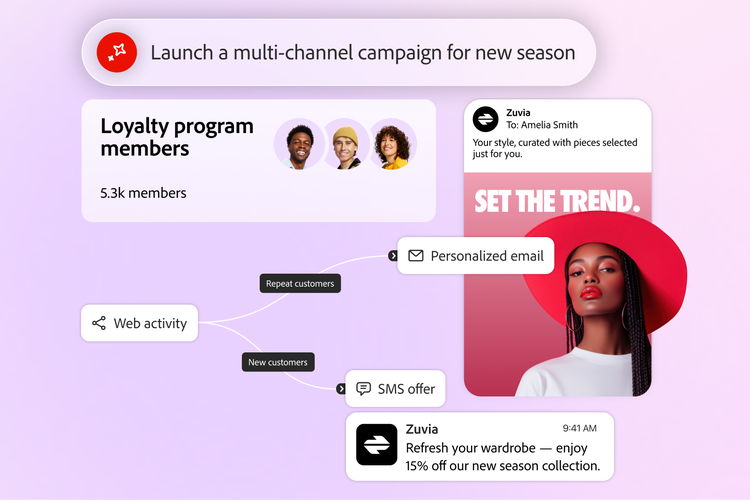
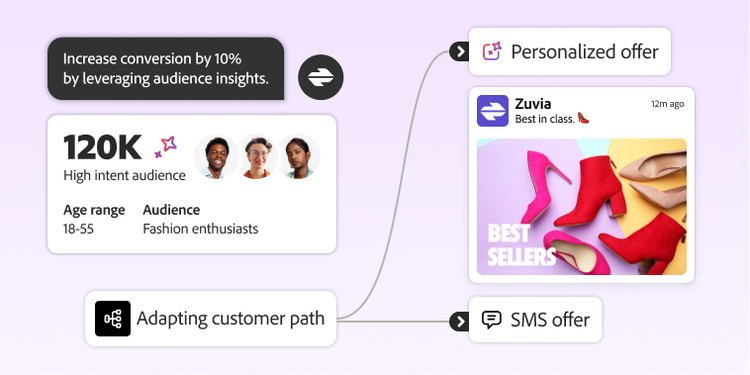
AI personalisation is not limited to marketing campaigns. It can support multiple customer touchpoints across many industries, helping you to move beyond channel-level personalisation and toward journey-level personalisation.
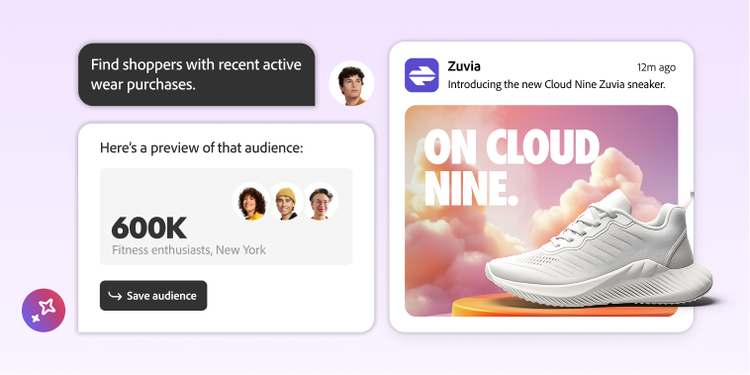
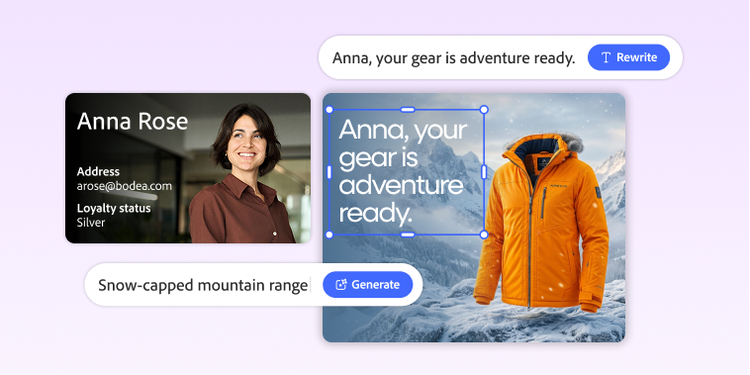
1. Content and experience personalisation: Every customer arrives with different goals, interests and intent. In digital marketing, AI helps tailor experiences in real time using signals such as a customer’s digital behaviour, preferences, engagement history and context, across the marketing funnel. Today, many customers arrive at your site through AI-powered search and discovery experiences, so it’s important that your page provides the information they need immediately.
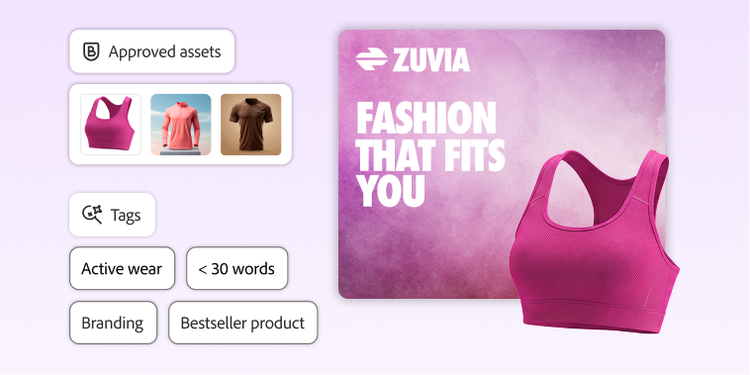
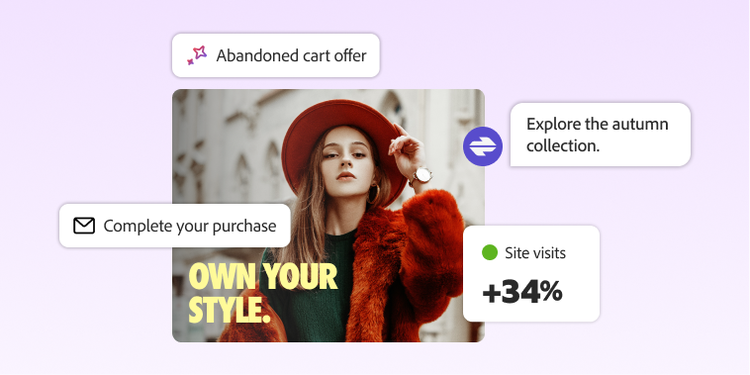
This can include personalised articles, learning modules, landing pages, creative assets, product recommendations, calls to action and more. By using AI across email, websites, mobile experiences and other digital touchpoints, marketers can help customers discover the information that matters most instead of navigating a one-size-fits-all experience.
2. Sales personalisation: AI can help sales teams move beyond generic outreach and personalise interactions by using CRM data, account activity, engagement signals and buying behaviour. Teams can tailor prospecting messages, demo experiences, recommendations and follow-up communications based on what matters most to each account. This allows sales conversations to feel more informed, relevant and valuable throughout the buying process.
3. Customer onboarding and enablement: AI can personalise onboarding journeys based on customer goals, product usage, skill level or role. Instead of giving every customer the same introduction, it can guide each customer toward the actions most relevant to their desired outcomes. This helps customers reach their first meaningful success faster, building confidence and long-term engagement from the start.
4. Product experiences: Increasingly, personalisation happens inside the product itself. AI can customise dashboards, workflows, recommendations, notifications and feature discovery based on customers’ product usage. The result is a more intuitive experience that helps them to realise value faster and engage more deeply over time.
5. Customer support and retention: AI can make support experiences more contextual by personalising responses, recommending relevant help content, predicting customer needs and routing enquiries based on customer history or intent. This helps teams resolve issues more efficiently while delivering service experiences that feel more tailored and proactive.
Similarly, AI can identify engagement patterns, predict churn risks, recommend next-best actions and deliver personalised adoption guidance to proactively strengthen customer relationships waiting for issues to arise.