2026 AI and Digital Trends in Healthcare | Adobe | Adobe India

2026 AI and Digital Trends in Healthcare

The Path to AI-Powered Customer Experiences for Healthcare

Explore the top industry insights from Adobe’s 2026 AI and Digital Trends research to understand the actions healthcare organisations must take now to turn AI ambition into connected, personalised customer experiences at scale.

Jump to the Top Trends

How Healthcare Can Close the Gap Between AI Ambition and Execution

Healthcare organisations are entering the next phase of AI adoption, building on early success with generative AI while preparing to expand agentic AI into more customer-facing work. But those ambitions are outpacing the operating model needed to support them. Turning the industry’s AI momentum into enterprise-wide results will require strengthening capabilities across data, governance and workforce readiness.

This overview explores the Adobe 2026 AI and Digital Trends findings across three critical areas for healthcare organisations: extending early AI gains into agentic workflows, breaking down the barriers to scale AI and building the foundation for agentic AI.

Section 1

Extending Early AI Gains into Agentic Workflows

Healthcare is already seeing real returns from generative AI and organisations are quickly expanding their ambitions for agentic AI. The next step is extending those gains into more connected, conversational customer experiences.

Generative AI is delivering measurable value across the business.

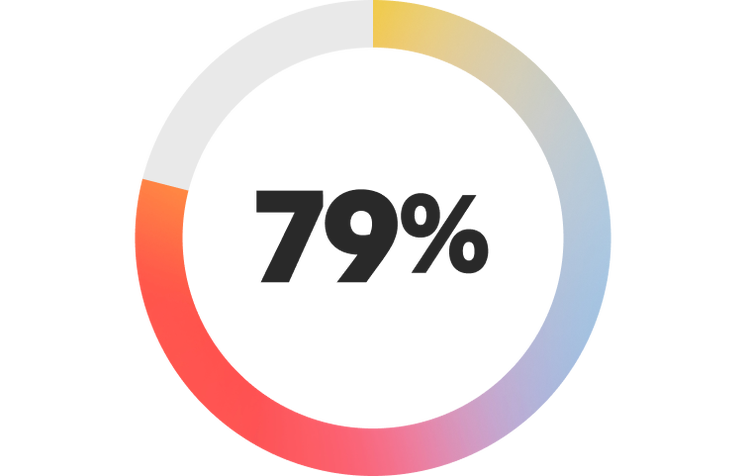
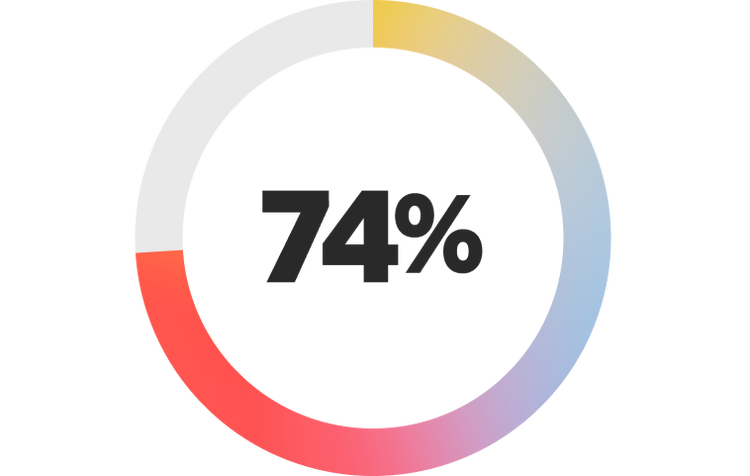
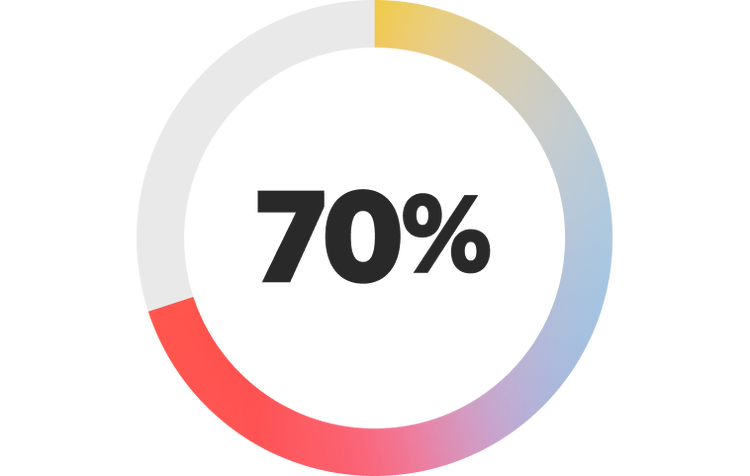
Organisations report “significant” or “moderate” benefits from generative AI in the following areas:

79 per cent

Finding information within the organisation

74 per cent

Volume and speed of content ideation and production

70 per cent

Customer experience (e.g., personalisation across channels)

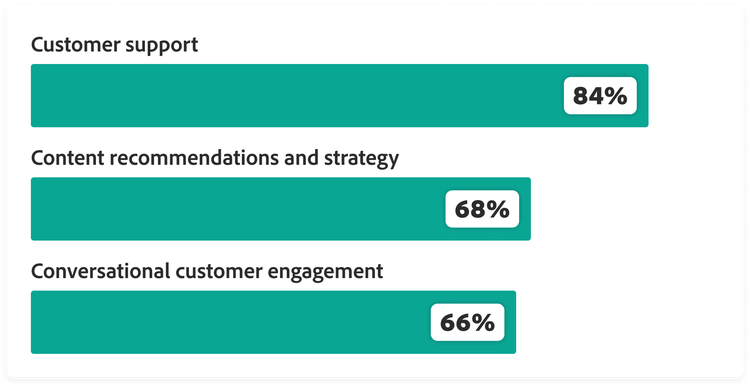
Within the next 18 months, organisations anticipate that agentic AI will handle half to all of these customer-facing interactions:
Customer support 84 per cent, content recommendations and strategy 68 per cent, conversational customer engagement 66 per cent

The vision for customer experience (CX) is connected and conversational.

72 per cent

say future customer experiences will need to be designed as conversational-first (e.g., AI-powered chat, voice).

61 per cent

use agentic or generative AI for journey design and omnichannel activation to achieve personalisation at scale.

60 per cent

are preparing to optimise content for AI-powered discovery tools.

AI deployment is advancing faster than workforce readiness.

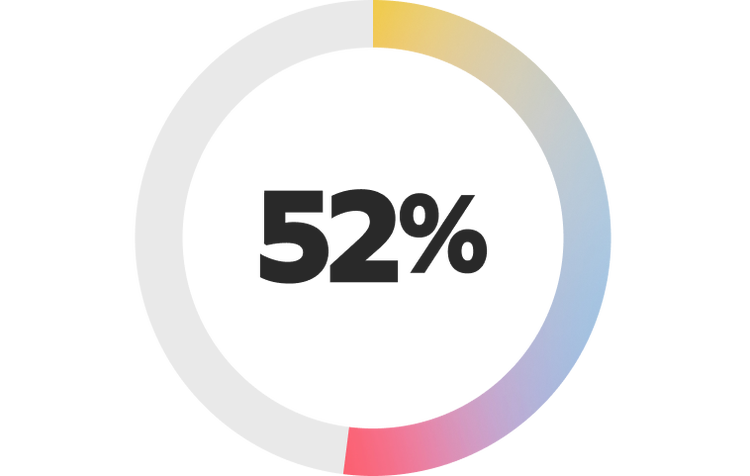
52 per cent

say AI is integrated into their day-to-day workflows and tools.

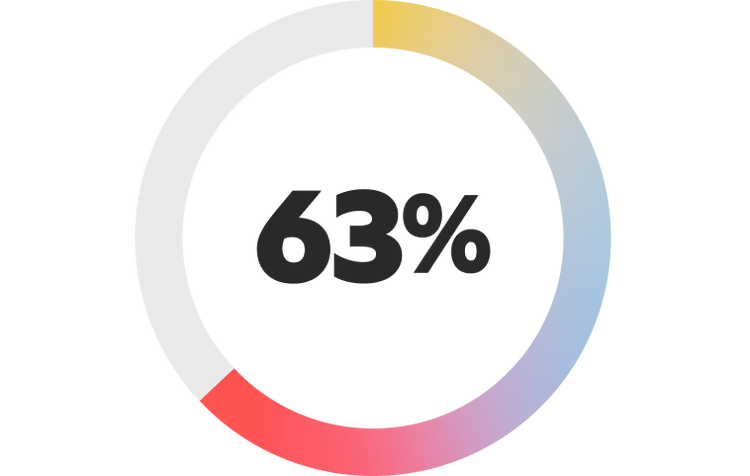
63 per cent

say AI is changing roles and workflows faster than employees can adapt.

The content engine is not equipped for AI-scale delivery.

More than half (57%) say their content supply chain is largely linear and resource-intensive.

AI governance exists on paper more than in practice.

61 per cent

say they have strong AI governance policies in place.

44 per cent

say those policies are routinely followed.

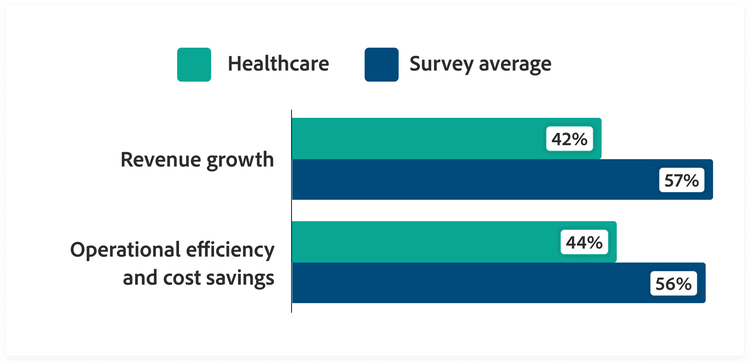
Healthcare organisations are less likely than those in other industries to prioritise financial outcomes when measuring AI success.

What organisations say their leadership prioritises compared to the survey average:

42 per cent say leadership prioritises revenue growth when assessing AI success, vs. 57 per cent survey average, while 44 per cent say leadership prioritises operational efficiency and cost savings, vs. 56 per cent survey average.
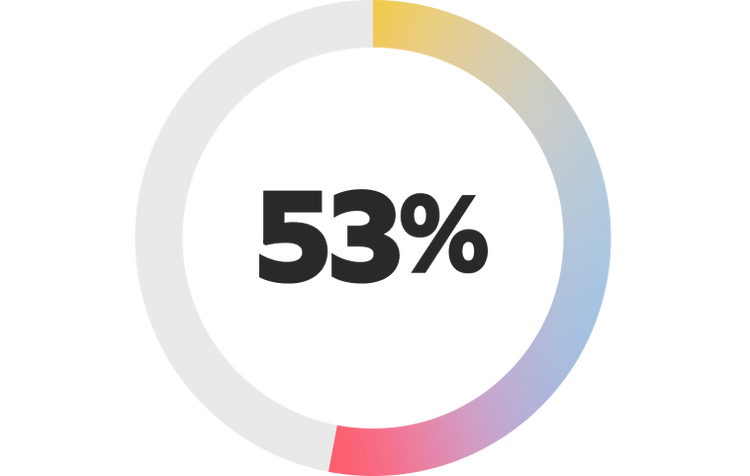
53 per cent
More than half struggle to demonstrate measurable returns on their AI investments using CX-related metrics.

Section 3

Building the Foundation for Agentic AI

Agentic AI can only scale as far as the enterprise is prepared to support it. Healthcare organisations must strengthen the data, systems and infrastructure needed to turn isolated AI initiatives into enterprise-wide impact.

AI initiatives stall when key fundamentals are not in place.

53 per cent

say their ability to advance AI initiatives is limited by their current level of data unification and structure.

52 per cent

say they have security and privacy controls in place for their AI tools.

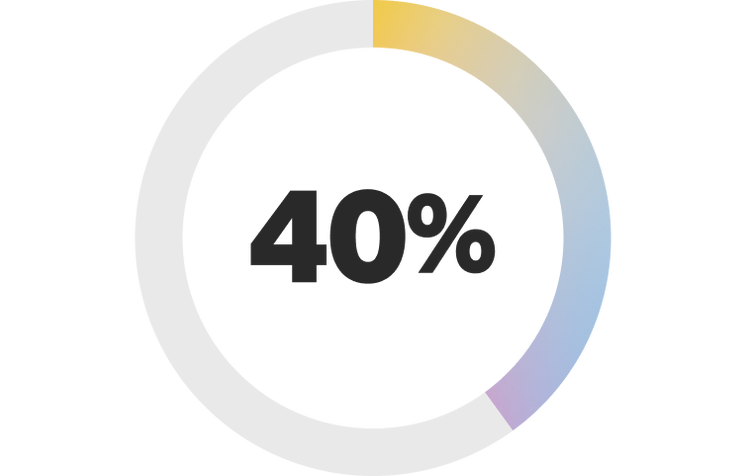
40 per cent

say their data quality and accessibility are adequate for AI in general.

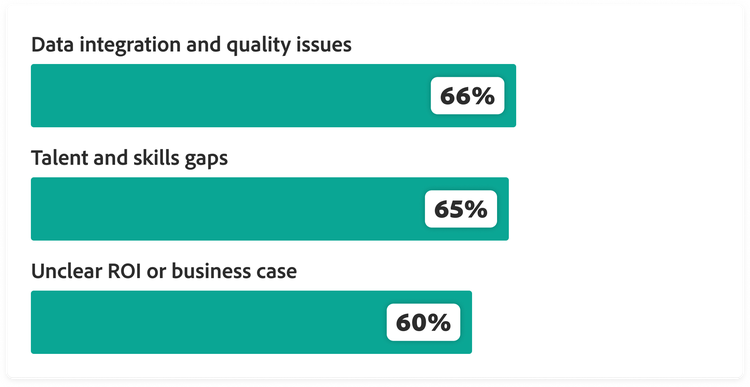
Healthcare still faces major barriers to implementing agentic AI.
Organisations cite the following challenges:

Data integration and quality issues 66 per cent, talent and skills gaps 65 per cent, unclear ROI or business case 60 per cent

AI-driven insight is only as good as the data underlying it.

52 per cent
have a unified customer data foundation that lets them extract insights created by AI agents and conversational interfaces.

To successfully scale agentic AI, organisations must prioritise:

Clear rules and processes for managing data

Tools for connecting different systems or software

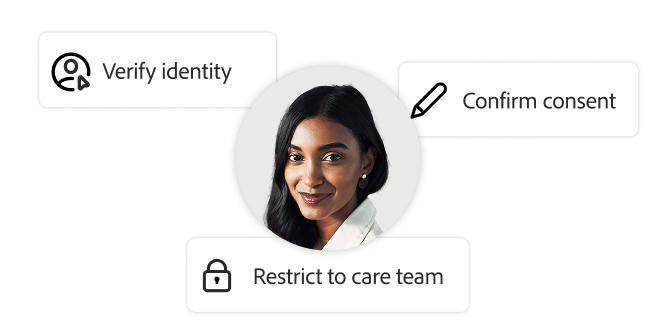
Extra protections for customer data privacy

Section 4

The Bottom Line for Healthcare

The path forward requires a unified foundation built to support AI at scale.

Organisations that unify their data, strengthen their governance frameworks and invest in skills will turn AI ambition into lasting advantage. Here are the top three action items for healthcare organisations:

View more insights from the 2026 AI and Digital Trends research.

Appendix

Research Methodology

For Adobe’s 16th annual AI and Digital Trends research, Oxford Economics, in partnership with Adobe, conducted global surveys of 3,000 executives and practitioners and 4,000 customers to better understand how organisations are leveraging AI to capture customer interest, build brand loyalty and augment customer experience (CX) workflows — and how customers are responding to these changes. The surveys were fielded online and via computer-assisted telephonic interviewing (CATI) from October through November 2025. “Healthcare” refers to a global set of executives and practitioners from organisations in the healthcare industry. This group makes up 8% of respondents and represents a wide range of organisation sizes. View the 2026 AI and Digital Trends report for more on the full research methodology.