

2026 AI and Digital Trends in High Tech
The Path to AI-Powered Customer Experiences for High Tech
Explore the top industry insights from Adobe’s 2026 AI and Digital Trends research to understand the actions organisations must take now to turn AI investments into orchestrated buying-group engagement and measurable go-to-market (GTM) outcomes.

Jump to the Top Trends




How High-Tech Organisations Are Operationalising AI to Drive Growth
The high-tech industry has made significant strides in AI maturity, investing in the infrastructure, alignment and operational capabilities needed to scale the technology across the enterprise. But many organisations have not yet translated that maturity into customer-facing and buying-group experiences. The next phase of growth will come from extending AI beyond internal workflows into the buying journeys that drive strong customer engagement and GTM outcomes.
This overview explores the Adobe 2026 AI and Digital Trends findings across three critical areas for high-tech organisations: operationalising AI at scale, building toward agentic B2B engagement and overcoming the barriers to measurable GTM impact.

Section 1
Scaling AI Across the Enterprise
The high-tech industry has moved beyond AI experimentation into execution, using AI to automate internal workflows and drive efficiencies across the business. As organisations look to scale the next generation of agentic experiences, interoperability is emerging as a critical enabler of customer engagement.
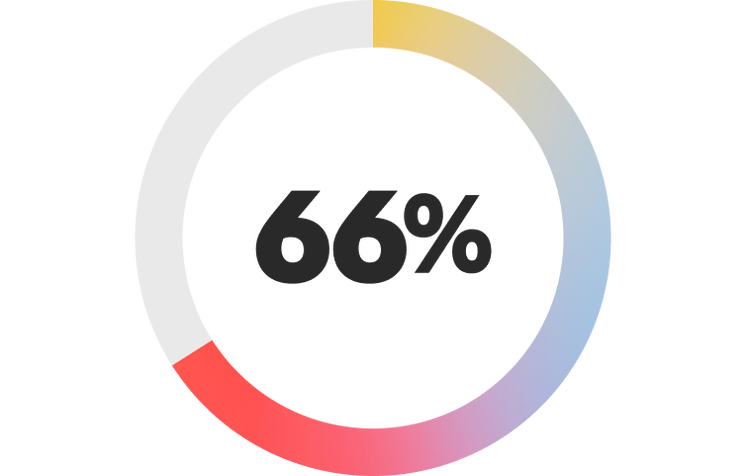
AI is already embedded in daily operations and strategy.
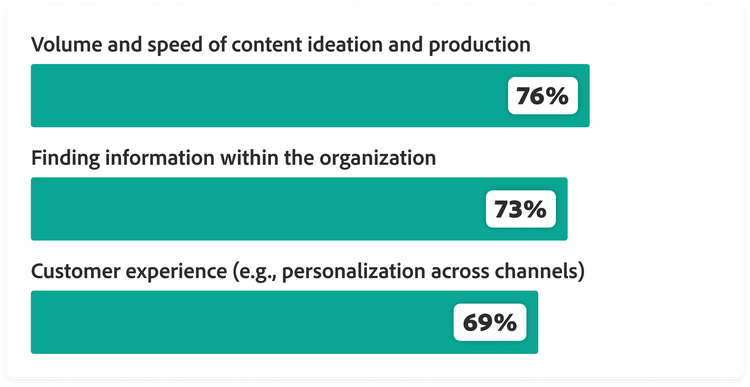
Organisations report “significant” or “moderate” improvements from generative AI in these key workflows:
The industry is readying agents for a bigger role in customer engagement.


Section 2
Building Toward Agentic B2B Engagement
High-tech organisations have built a strong foundation for generative AI, investing in the data and connectivity needed to scale the technology across the enterprise. Realising the next wave of value will require extending that foundation to agentic AI — tailoring it to specific audiences and enabling coordinated engagement across increasingly complex buying groups.
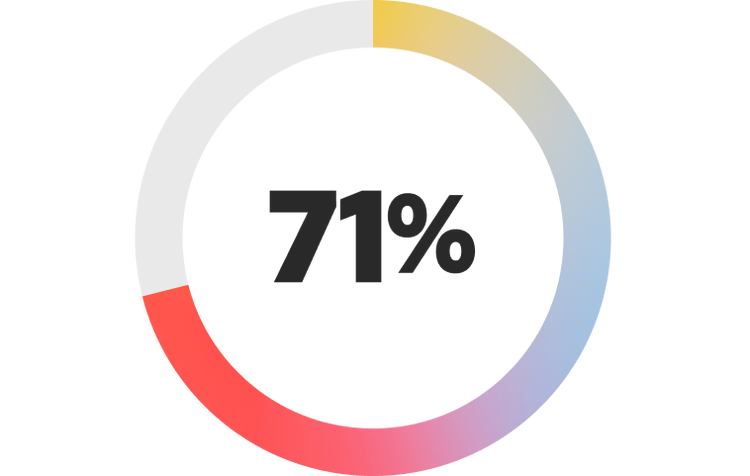
The industry has established the necessary data and tools for generative AI.
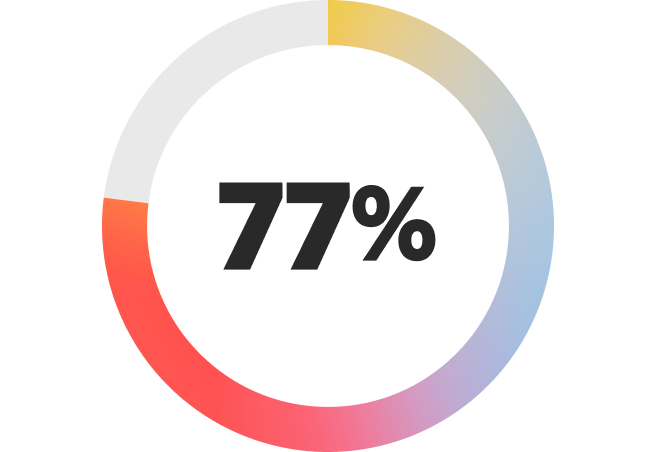
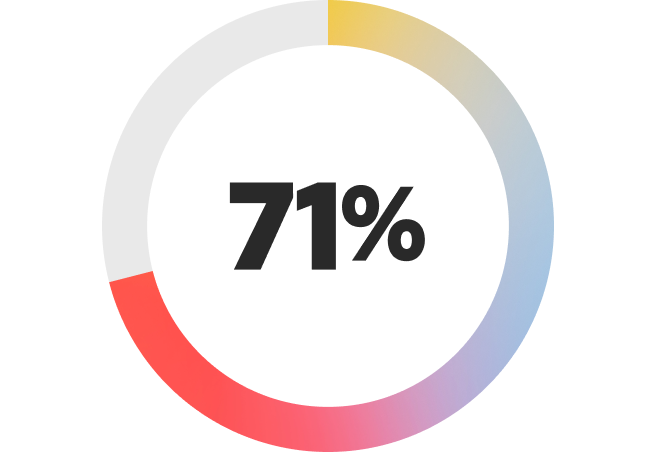
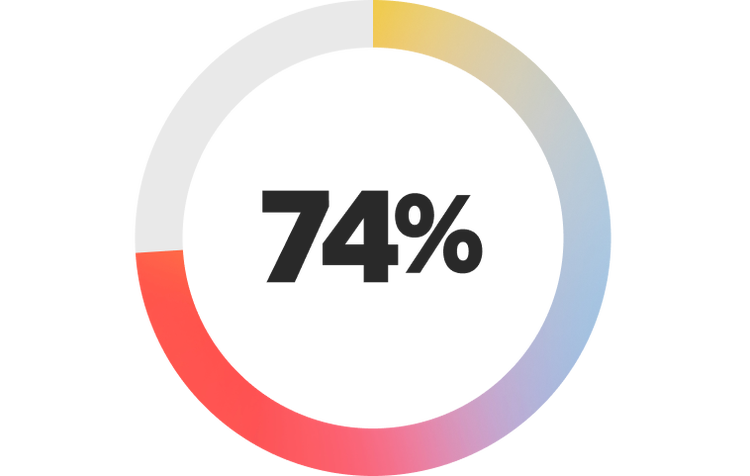
The next hurdle is strengthening that foundation for agentic AI.


Organisations are shaping AI around audiences, from new segments to agent personalities.


With 56% of B2B organisations struggling to track and engage buying-group decision-makers, agentic AI orchestration is the industry's next frontier.
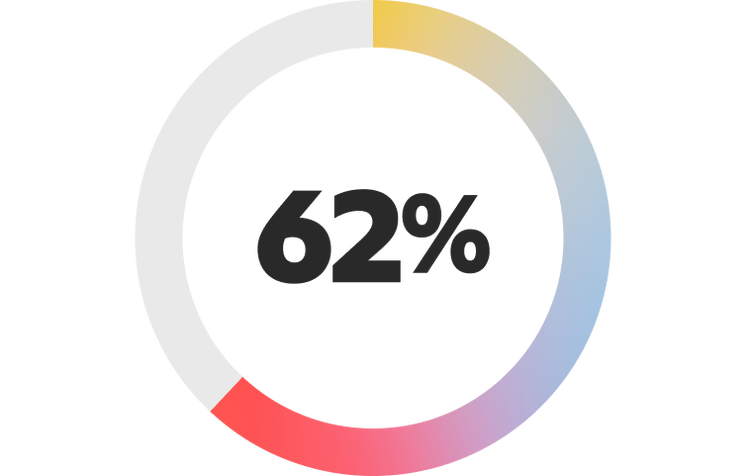
expect agentic AI to coordinate sales, marketing and service journeys in real time.
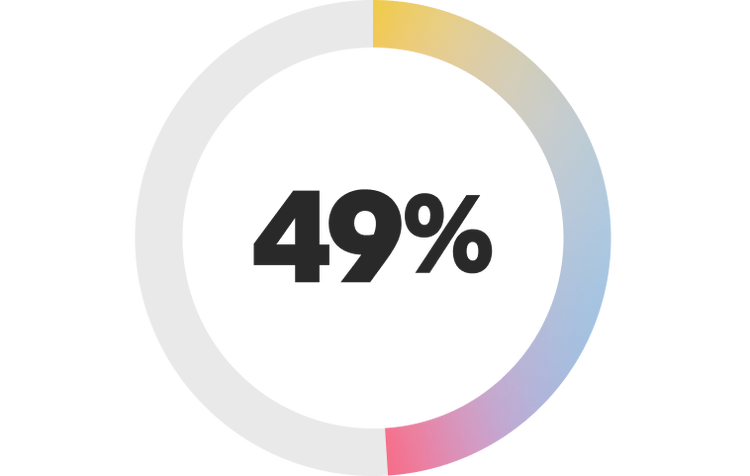
use generative AI and LLM search insights to understand buyer behaviours and map roles, influence and engagement.
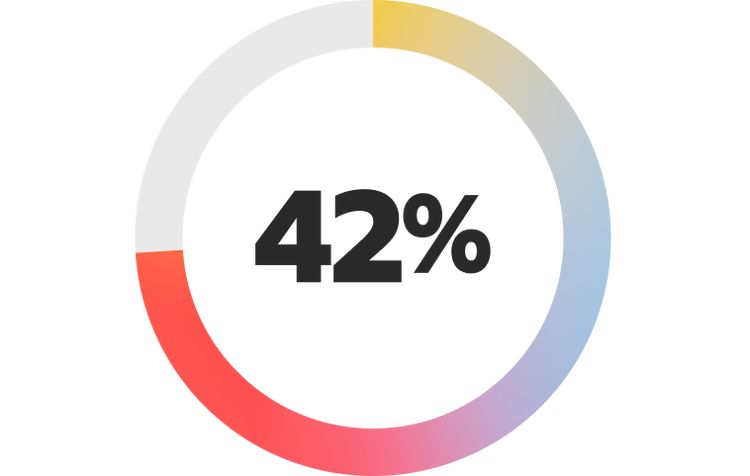
plan for a future where buyer journeys include agent-to-agent interactions.

Section 3
Overcoming the Barriers to Measurable GTM Impact
The high-tech industry’s operational AI maturity has yet to translate into tangible customer impact and proven returns. Closing that gap will require clearer ROI measurement frameworks and broader customer-facing deployment.
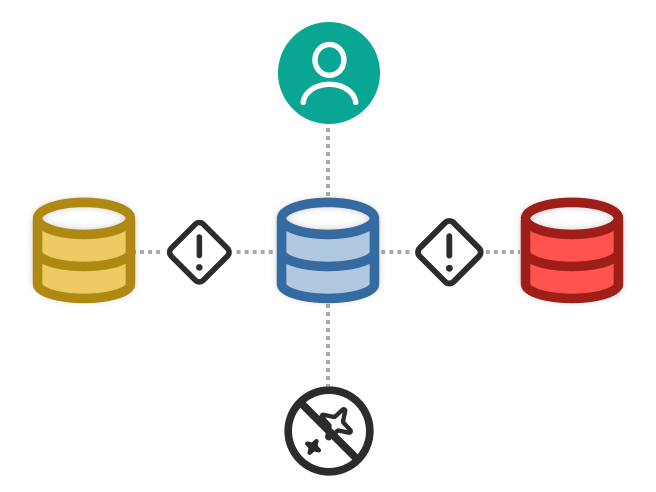
Most organisations still struggle to define the value of what their AI delivers.


Agentic AI efforts are concentrated on internal workflows.
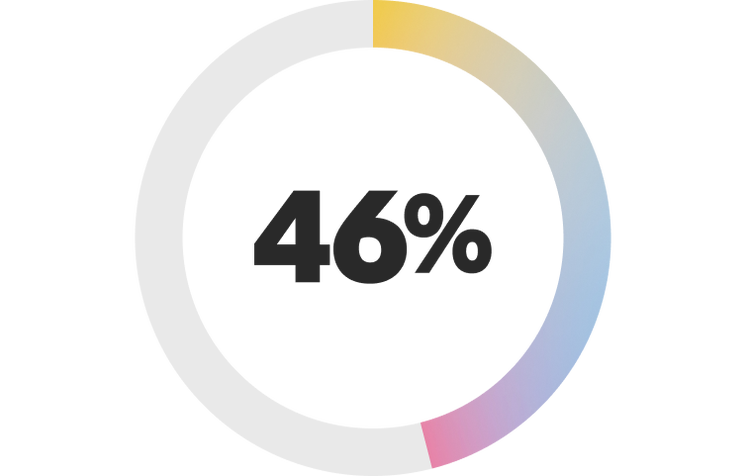
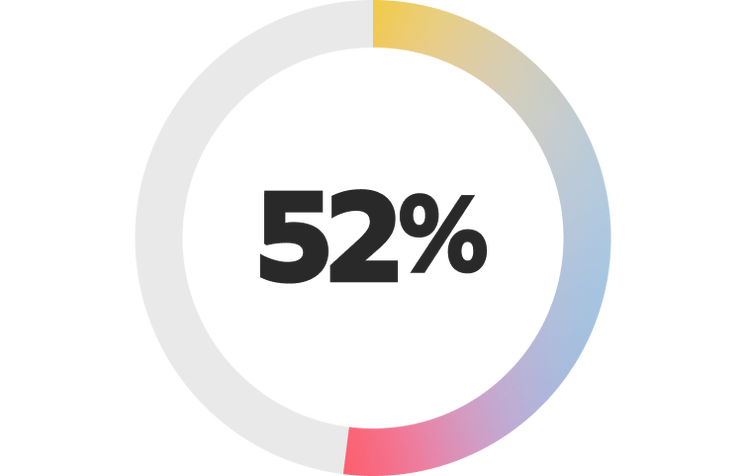
Expected uses of agentic AI within the next 18 months:


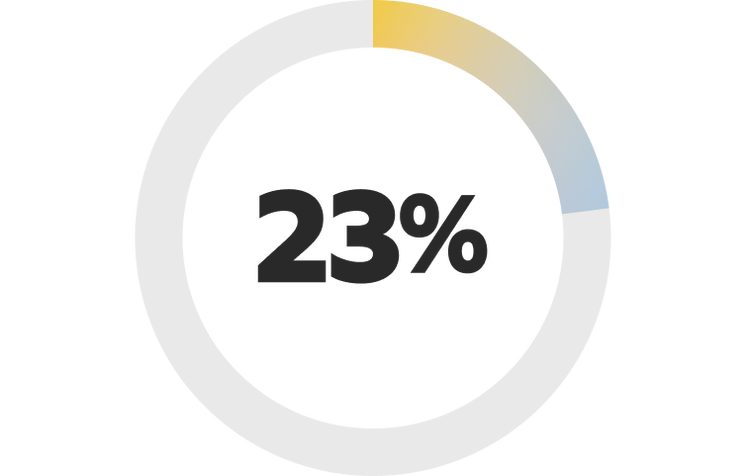
But customer-facing agentic AI lags as a strategic priority.

Section 4
The Bottom Line for High Tech
The path forward requires extending the industry’s operational strengths into customer-facing and buying-group workflows — areas where AI has yet to be broadly deployed.
Organisations that pair this expansion with value measurement will turn today’s AI maturity into durable impact. Here are the top three action items for high-tech organisations:

Invest in agentic infrastructure for B2B orchestration.
Direct data-unification and connectivity investments toward coordinating sales, marketing and service across buying groups in real time. This orchestration is how generative AI’s groundwork becomes agentic AI’s launchpad.

Measure AI in terms of customer experience and clear revenue impact.
Build frameworks that connect AI investment to GTM outcomes. Demonstrating returns through customer impact and tangible revenue growth will sustain executive support for the next wave of agentic investment.

Translate internal AI maturity to customer-facing results.
Build on proven operational strengths in orchestration and workflow automation to close gaps in customer-facing agentic deployment. Focus first on the buying group and service journeys with the most untapped potential.
For Adobe’s 16th annual AI and Digital Trends research, Oxford Economics, in partnership with Adobe, conducted global surveys of 3,000 executives and practitioners and 4,000 consumers to better understand how organisations are leveraging AI to capture customer interest, build brand loyalty and augment customer experience (CX) workflows — and how customers are responding to these changes. The surveys were fielded online and via computer-assisted telephonic interviewing (CATI) from October through November 2025. “High tech” refers to a global set of executives and practitioners from organisations in the high-tech industry. This group makes up 17% of respondents and represents a wide range of business sizes. “B2B organisations” refers only to B2B and B2B2C organisations within the high-tech industry. View the 2026 AI and Digital Trends report for more on the full research methodology.
Recommended for you