A year ago, Adobe was proud to be named as the Premier League’s Official Creativity Partner and Official Digital Fan Experience Partner. Together with the Premier League, we set out to re-imagine the digital fan experience using Adobe’s creative, marketing, and AI technology and bring its 1.8 billion global fans closer to their favorite clubs and players through personalized experiences.
After an exhilarating start to the 2026/27 season, that saw champions, Arsenal beginning their title defense with a 3–0 win, and newly promoted Hull City marking their return with victory over Manchester United, let’s reflect on what we achieved last season.
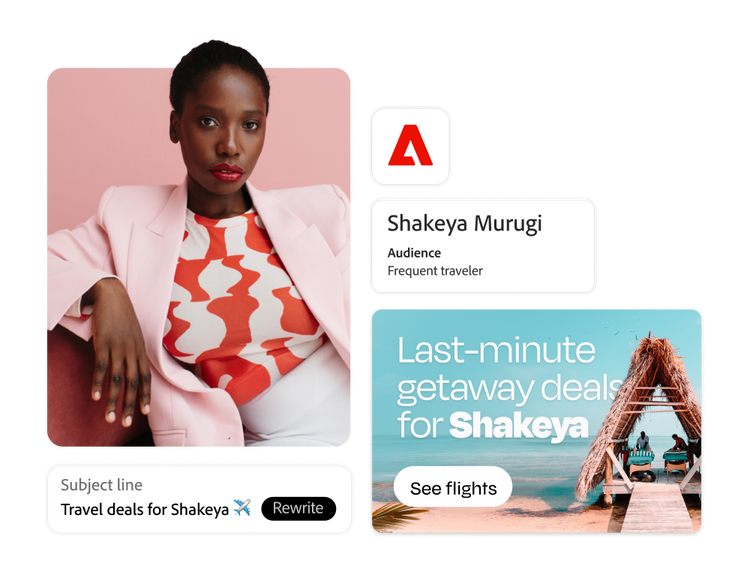
Together with the Premier League, we’re delivering on the ambition to re-imagine the fan experience. From reaching millions of fans with contextually relevant, personalized communications and breaking news alerts, to inspiring fans to create their Fantasy Premier League (FPL) teams after receiving in-app messages, customized for them with Adobe Journey Optimizer, Adobe’s CXO technology is helping the Premier League create deeper, more meaningful connections with football fans around the world.
Growing fan engagement: The 2025/26 season in review.
At the heart of the Premier League’s fan personalization and experience orchestration, is Adobe Experience Platform, the enterprise foundation for digital customer engagement. With the help of Adobe Real-Time CDP, Adobe Journey Optimizer and Adobe Customer Journey Analytics, the Premier League can now connect fan data, insights, audiences and journeys, to deliver and measure personalized experiences at scale across its web, app and Fantasy Premier League properties.
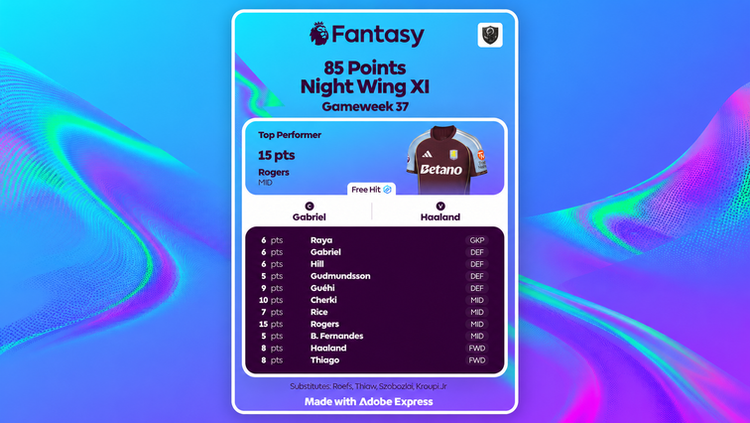
We saw the impact of highly personalized customer journeys across all Premier League’s properties in the run up to the 2025/26 season and the Fantasy Premier League deadline. Adobe Journey Optimizer delivered timely pop-up messages across the Premier League’s web and app experiences, encouraging fans to create their Fantasy Premier League teams. 34% of fans who engaged with the notification went on to create a team and fans who only saw the pop-up message but didn’t click were still nearly three times more likely to create a team than the general audience, showing how even a simple, well-timed message can turn interest into action.