The rise of AI search has fundamentally changed how brands are discovered. Search is no longer just about search engines matching keywords on web pages. While search engines, AI assistants, and LLM-powered experiences operate differently, they all rely on structured, well-connected information to interpret and surface content. They connect the dots across a brand’s offerings, services, content, and expertise to present a coherent interpretation in relevant searches — and a knowledge graph is what makes the brand legible in this process.
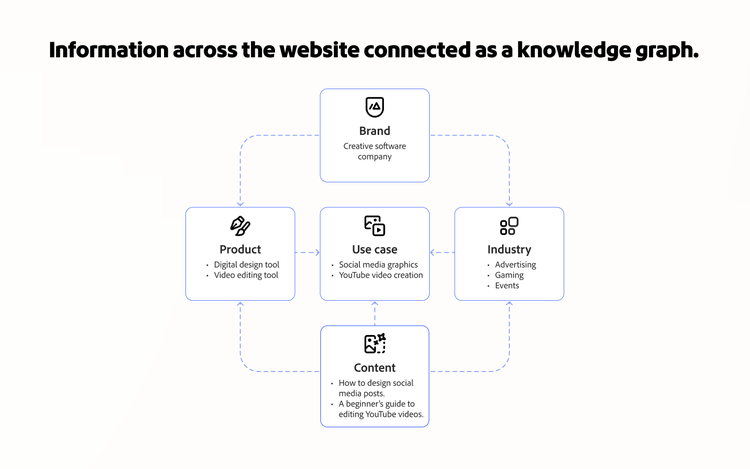
A knowledge graph is the architecture that organizes content into entities and relationships, turning your website into a connected ecosystem of information. Knowledge graphs help AI systems understand how everything fits together. As a result, your brand becomes more meaningful and comprehensible to both machines and humans.
In AI search, users already have a first impression of your brand before they reach your website. A knowledge graph helps ensure that the impression is accurate by giving search crawlers and AI systems access to structured information. This enables them to discover and represent your brand consistently across search experiences.
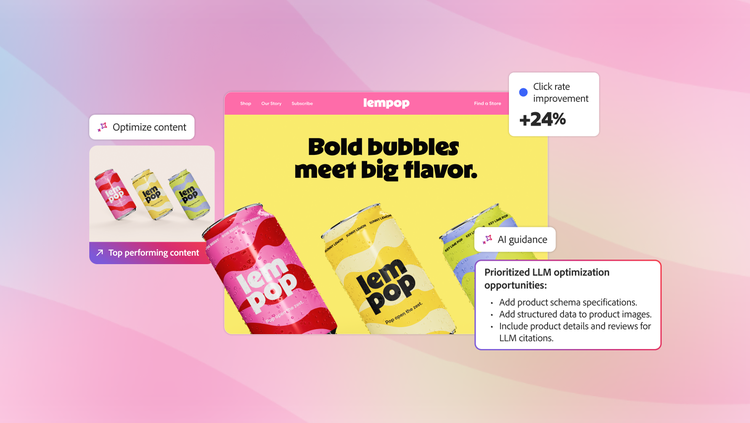
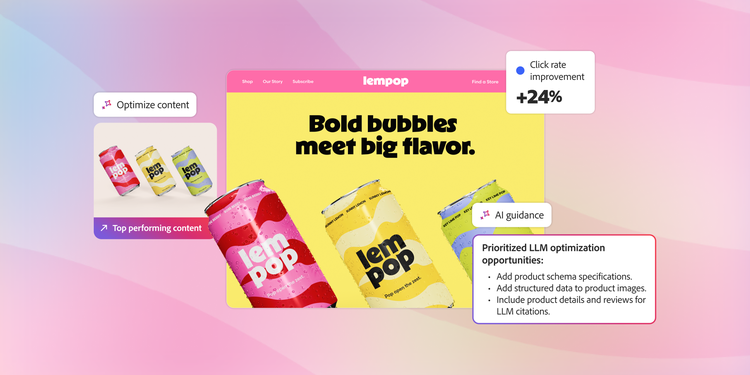
Ultimately, knowledge graphs can help make your content trustworthy and improve brand visibility. With $750 billion in revenue expected to funnel through AI-powered search by 2028, brand visibility will be even more important.
Let’s take a closer look at this shift by exploring:
- What is a knowledge graph?
- How knowledge graphs change the way websites are structured
- What a knowledge graph looks like on a website
- How to build a knowledge graph
- Why knowledge graphs matter for AI discovery and brand visibility
- Scaling a knowledge graph across teams and systems
- The future of brand discovery is being understood