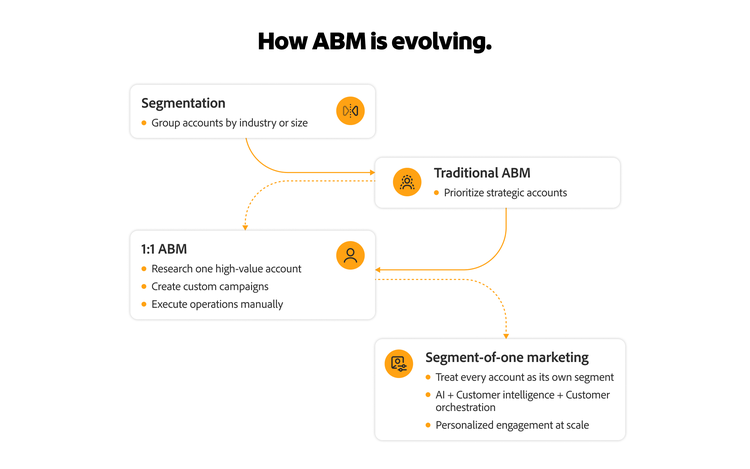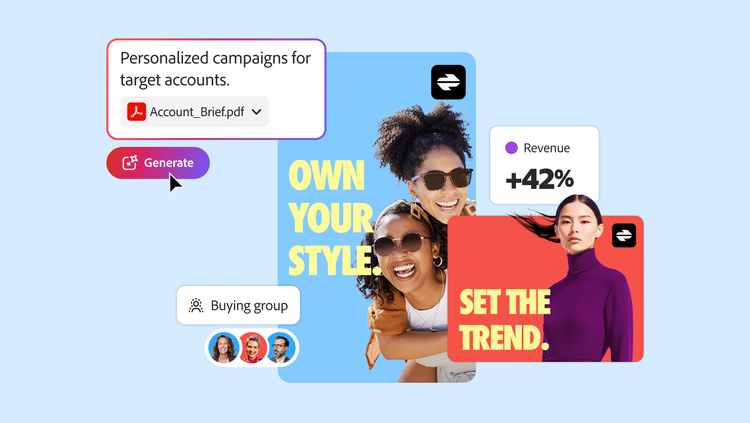
Every interaction matters in a B2B buying journey. Buyers research independently, compare vendors, and engage with multiple channels before they decide. They expect brands to anticipate their needs and deliver experiences that align with their business priorities, instead of generic campaigns. Account-based marketing (ABM) helps businesses deliver this relevant experience. While this approach improves targeting, many ABM programs still group accounts into broad segments, static tiers, or industry-based campaigns. As buying groups expand and business priorities differ across accounts, the same messaging and content no longer resonate with every target account.
For high-value accounts, marketers often address this challenge with a 1:1 ABM strategy where they research the company, work closely with sales, and create custom content for a single account. However, doing this manually for every account is a challenge. Applying the same level of personalization to hundreds of thousands of potential buying groups requires significant money, time, and resources. For ABM at scale, marketers need to move from traditional systems to segment-of-one marketing.
What is segment-of-one marketing?
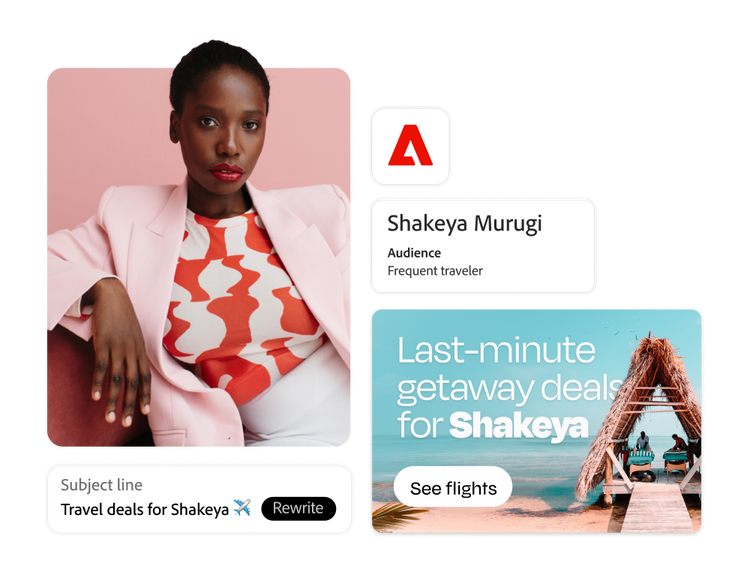
Segment-of-one marketing is the next phase of account-based marketing. It uses customer intelligence, AI, and content orchestration to understand each account's context, identify the right stakeholders, and deliver relevant experiences across channels at scale. This helps marketers build stronger, more personal relationships with buyers.
In this article, marketers will find a clear, practical guide to how enterprises can scale personalized ABM experiences for buyers without increasing operational complexity.
Jump to the section:
- From traditional ABM to segment-of-one marketing
- What is ABM at scale?
- Why is personalization difficult to scale?
- The foundations of segment-of-one marketing
- How AI enables segment-of-one marketing at scale
- Building an ABM content strategy for segment-of-one marketing
- Measuring ABM at scale
- Scaling ABM with segment-of-one marketing