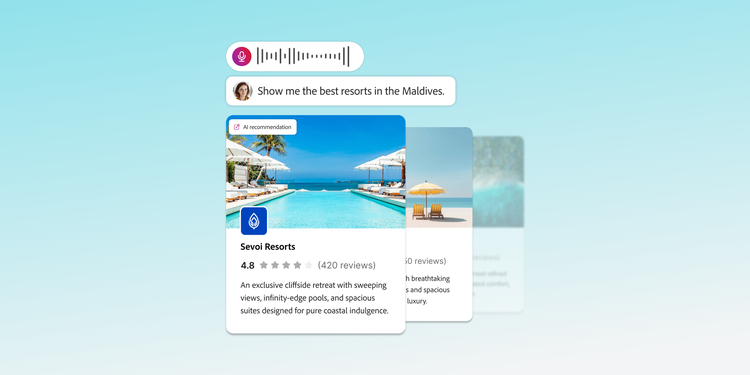
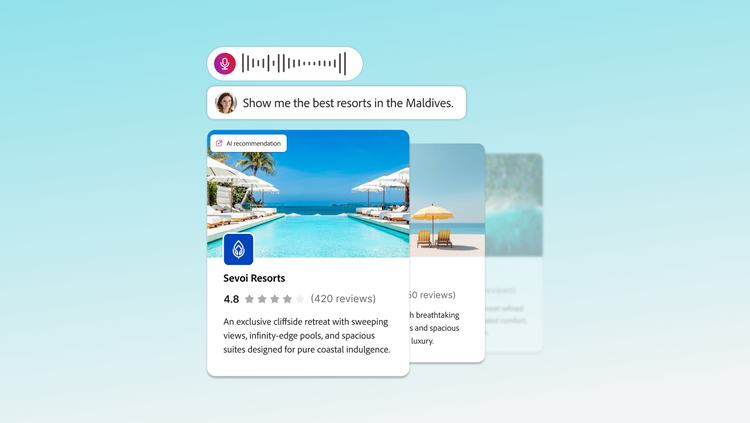
AI assistants give users a more conversational way to discover answers or complete tasks. Some are built around voice, like Siri, Alexa, and Google Assistant. Others, including ChatGPT, Claude, Gemini, and Copilot, are more commonly used through text-based prompts, workplace tools, or web interfaces. Tasks can range from setting up a timer or checking the weather to summarizing a document, drafting an email, comparing vendors, finding a nearby store, or answering a question based on web results.
AI assistants can change the starting point for discovery. Users may ask for a recommendation, summary, or shortlist before ever visiting a search results page. In those moments, the assistant helps decide which information is surfaced first.
For brands, accuracy and consistency matter more in assistant-driven discovery. When an assistant summarizes a company, recommends a product category, or answers a local question, it relies on clear information. It’s always important to verify the sources that AI assistants provide, as they can make mistakes.
While AI assistants can be accessed through voice or text, voice interactions often create different search behaviors and user expectations.
How voice search differs from other modes of AI.
Voice search is often used in moments when users want a fast, direct response, such as on a phone, in a car, through a smart speaker, or on a connected home device. These queries tend to be more conversational than typed searches because users speak in full questions.
A typed search might be “cybersecurity IT support San Jose.” A voice search is more likely to sound like, “What IT companies near me specialize in cybersecurity?”
That phrasing changes what the user expects. Voice searches tend to use phrases such as “near me,” while a typed search may use a specific location or city. B2B buyers may be looking for software vendors, checking technical requirements for software, finding pricing information, or comparing options between vendors. In the B2C space, consumers typically are interested in getting a quick solution to their issue, such as finding directions, checking store hours, confirming product availability, or getting a quick recommendation. The user is usually looking for one useful answer, not a full page of options.
For brands, that makes accuracy and consistency especially important. Business names, locations, hours, product details, reviews, and structured data should be clear and up to date. When a voice assistant has limited space to respond, unclear or inconsistent information can make a brand easier to overlook.