Adobe Brand Concierge Use Case
AI shopping assistant for frictionless product discovery.
Guide customers through a digital, conversational experience toward the options that best match their needs. Adobe Brand Concierge helps people explore products, compare options, and get answers in natural language.

What is an AI shopping assistant?
Conversational product discovery that turns browsing into confident purchases.
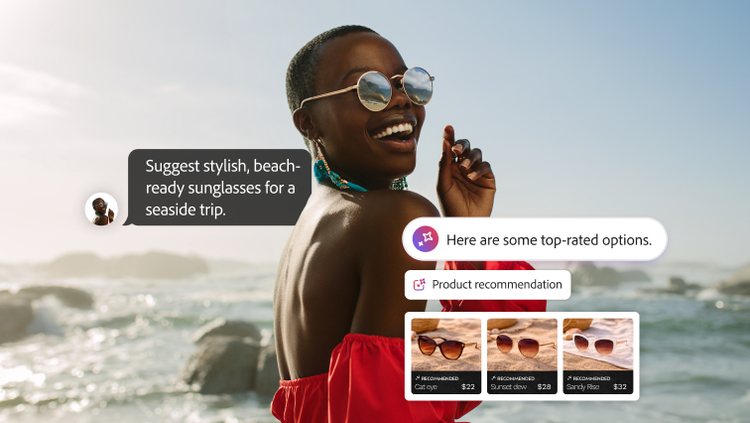
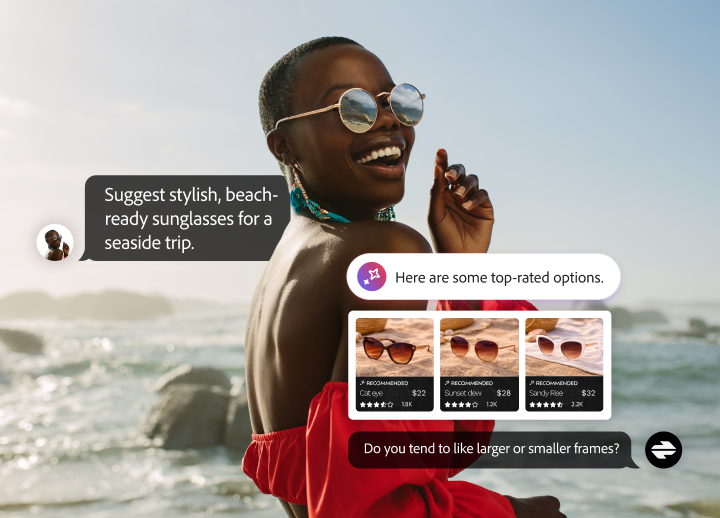
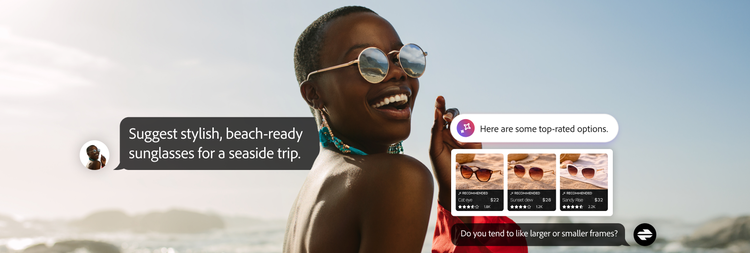
Through intuitive, AI-powered conversations, Adobe Brand Concierge guides customers as they evaluate and compare products, services, or features — ensuring customers are informed and confident about their decisions.
This changes product discovery from a sequence of filters and page visits into a dialogue. Brand Concierge can respond to the stated need with information from connected brand sources, clarify product details, and keep relevant options in view.

Personalized product recommendations from first-party data.
When configured with relevant product information and customer context, Brand Concierge can tailor product answers to what a shopper shares during a conversation. That context can help shape AI product recommendations around expressed needs, preferences, or constraints. The experience is grounded in the information and sources the brand has connected, so recommendations can reflect available product details rather than assume information that isn’t present.

Accelerate engagement and drive conversions.
Empower instant engagement through customer-led conversations. Brand Concierge provides product and service information that adapts based on the conversation, helping your customers evaluate options, compare features, and make informed decisions based on their unique concerns — leading to higher engagement and more conversions.

Build customer confidence and satisfaction.
Brand Concierge removes friction from the buying journey by recognizing what customers are searching for in the moment and providing clear, trustworthy answers. By surfacing the most relevant product details and comparisons based on their real‑time needs, it resolves doubt, builds confidence, and helps them move forward with their purchase.

Reveal insights into preferences and decision paths.
Every interaction with Brand Concierge uncovers the real reasons behind customer choices — not just their basic preferences. These insights reveal decision drivers like price sensitivity, style preferences, or other practical needs. With this understanding, brands can refine product taxonomies, improve comparison flows, and deliver more relevant recommendations that feel naturally aligned to what customers are looking for.
A conversational product recommendation engine
Recommendations that adapt inside the conversation
How Adobe Brand Concierge’s agentic product advising works
The experience can guide product discovery in three steps:
- Connect trusted product information. Brands configure the approved content and product sources Brand Concierge can use. For Adobe Commerce catalog discovery, a Commerce integration can provide catalog search and product details; available information depends on the connected setup.
- Explore needs in natural language. Shoppers describe what they are looking for, ask questions, and refine their criteria as they learn more. The conversation can respond to the intent and context shared along the way.
- Compare options and decide what’s next. Brand Concierge can help customers evaluate product information and compare options. Depending on the experience, customers can continue browsing or move to an available human-support option.
Where shopping assistance meets conversational commerce
Conversational commerce brings product discovery and consideration into a two-way exchange with a brand. Instead of leaving shoppers to assemble details across pages, Brand Concierge can help them ask questions, explore options, and move toward a decision using connected brand information. Explore how Adobe approaches conversational commerce.
Frequently asked questions about Adobe Brand Concierge product discovery.