2026 AI and Digital Trends in High Tech | Adobe | Adobe UK

How High-Tech Organisations Are Operationalising AI to Drive Growth

The high-tech industry has made significant strides in AI maturity, investing in the infrastructure, alignment and operational capabilities needed to scale the technology across the enterprise. But many organisations have not yet translated that maturity into customer-facing and buying-group experiences. The next phase of growth will come from extending AI beyond internal workflows into the buying journeys that drive strong customer engagement and GTM outcomes.

This overview explores the Adobe 2026 AI and Digital Trends findings across three critical areas for high-tech organisations: operationalising AI at scale, building toward agentic B2B engagement and overcoming the barriers to measurable GTM impact.

AI is already embedded in daily operations and strategy.

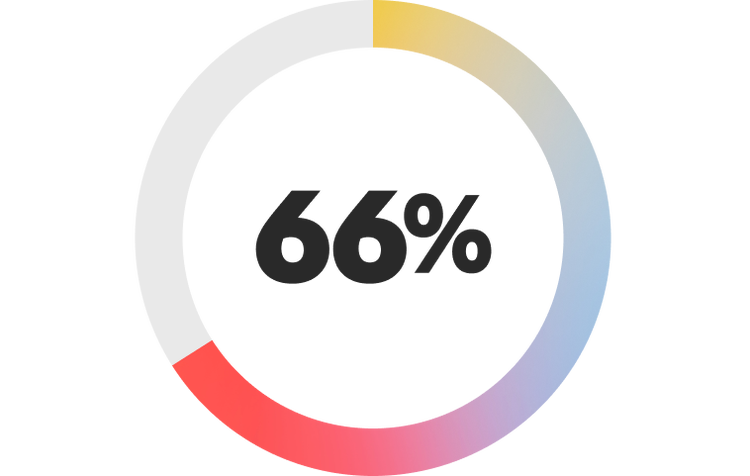
66 per cent say their teams and processes are routinely automated by AI.
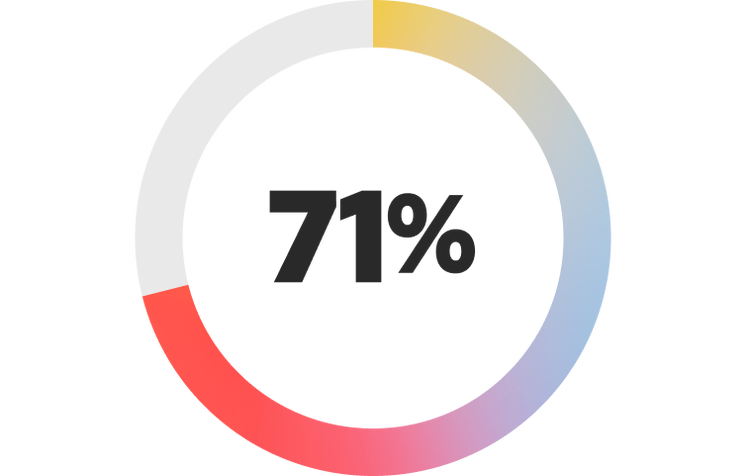
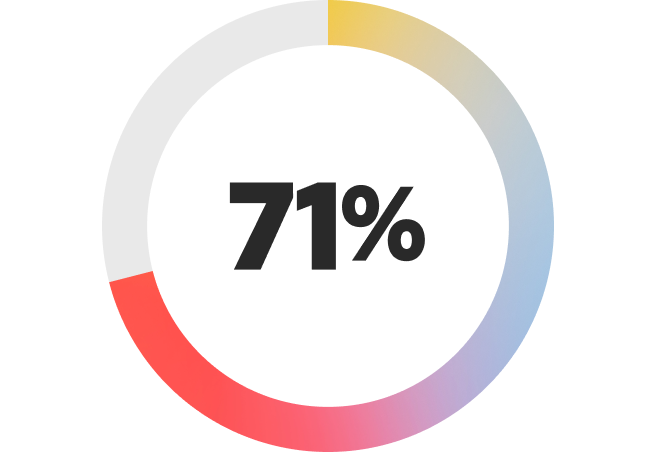
71 per cent have identified practical, high-value AI use cases.
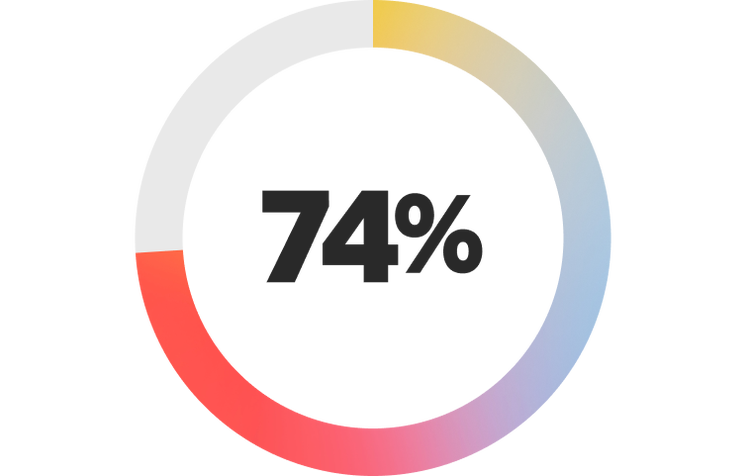
74 per cent say senior executives and day-to-day practitioners are aligned on strategic AI priorities.

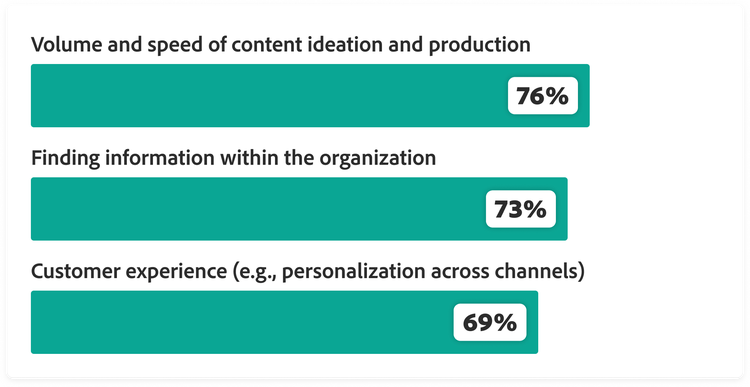
Organisations report “significant” or “moderate” improvements from generative AI in these key workflows:

Volume and speed of content ideation and production at 76 per cent, finding information within the organisation at 73 per cent and customer experience at 69 per cent.

The industry is readying agents for a bigger role in customer engagement.

63 per cent say the ability for their AI agents to interact seamlessly with other agents is a crucial factor in the AI vendor selection process, vs. 48% survey average.
67 per cent expect agentic AI to handle half to all conversational customer engagement within 18 months, vs. 62% survey average.

The industry has established the necessary data and tools for generative AI.

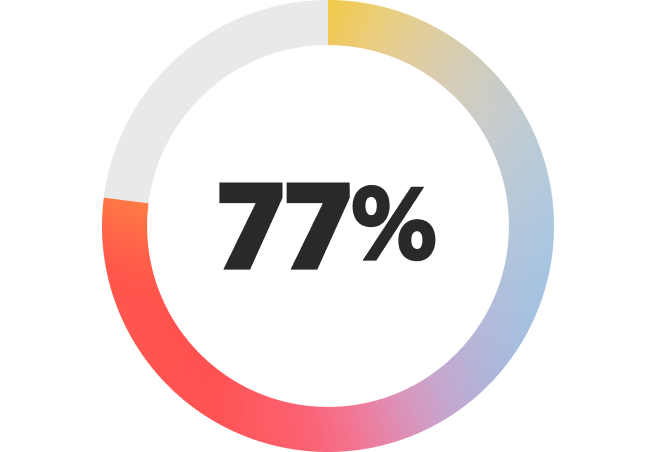
77 per cent have invested in shared platforms for customer data to support generative AI use.
71 per cent have invested in tools for connecting different systems to enable the widespread adoption of generative AI.

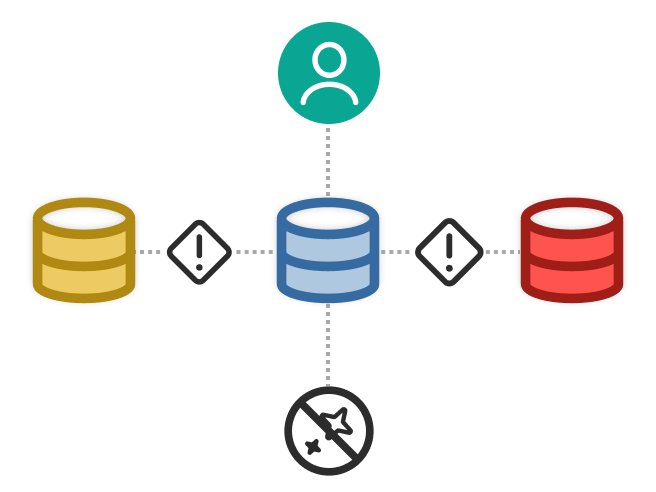
The next hurdle is strengthening that foundation for agentic AI.

39 per cent have a unified customer data foundation that enables them to extract insights from all the data created by AI agents and conversational interfaces.
37 per cent have the system and integration tools needed to widely adopt agentic AI.

Organisations are shaping AI around audiences, from new segments to agent personalities.

47% are using AI to uncover new audience segments within their customer base.
47% plan to design distinctive AI agent personalities for different audiences.

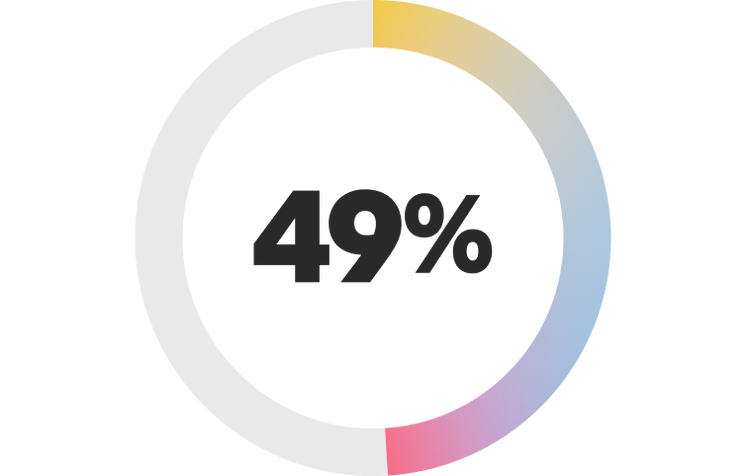
With 56% of B2B organisations struggling to track and engage buying-group decision-makers, agentic AI orchestration is the industry's next frontier.

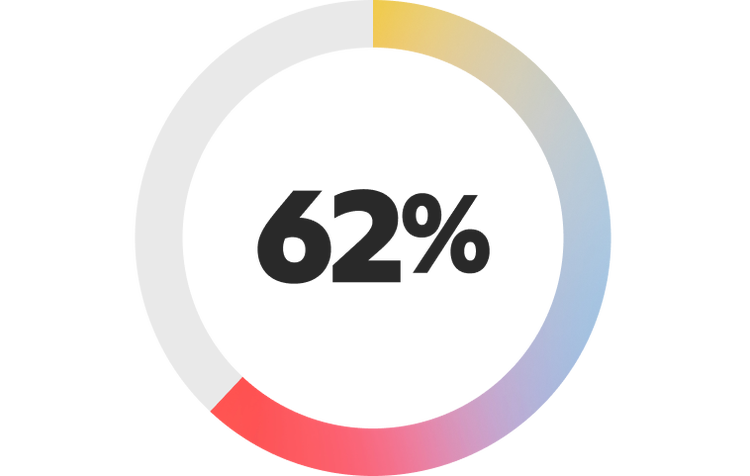
62 per cent

expect agentic AI to coordinate sales, marketing and service journeys in real time.

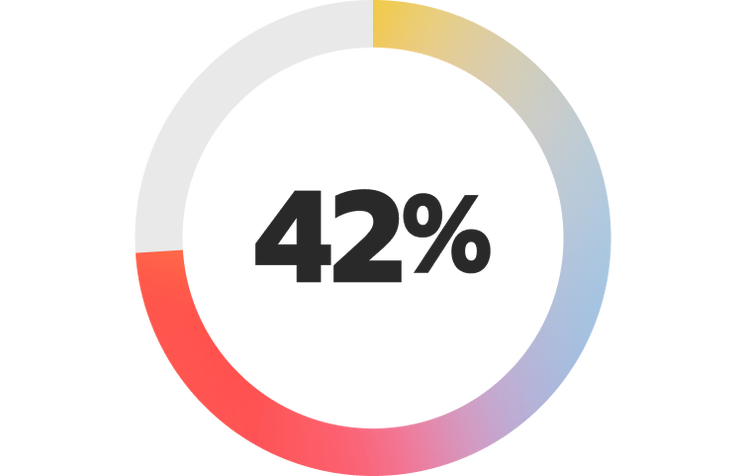
42 per cent

plan for a future where buyer journeys include agent-to-agent interactions.

Most organisations still struggle to define the value of what their AI delivers.

71 per cent cite unclear ROI or business case as a top challenge implementing agentic AI.
57 per cent struggle to demonstrate measurable returns on their AI investments using CX-related metrics.
Only a minority have developed a clear ROI measurement framework for generative AI (37%) or agentic AI (31%).

Agentic AI efforts are concentrated on internal workflows.

Expected uses of agentic AI within the next 18 months:

80 per cent Employee research, insights and knowledge retrieval
74 per cent Backend operations, including supply chain, compliance and analytics

But customer-facing agentic AI lags as a strategic priority.

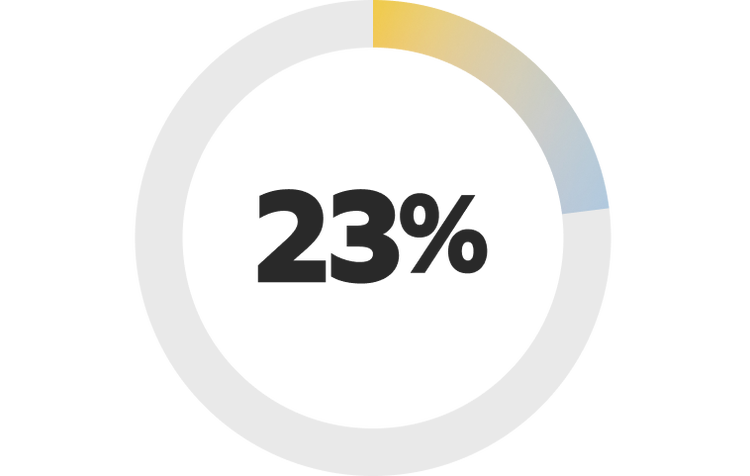
23 per cent say agentic AI is embedded organisation-wide or integrated across multiple functions for customer support today.
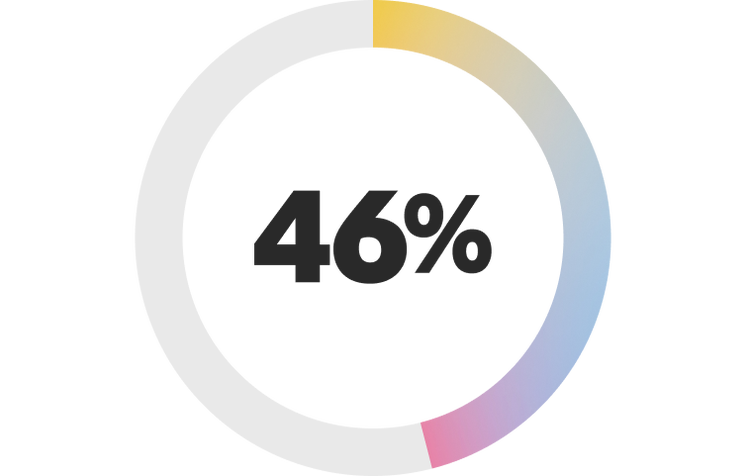
46 per cent expect agentic AI to support sales with autonomous product recommendations or lead qualification within 18 months.
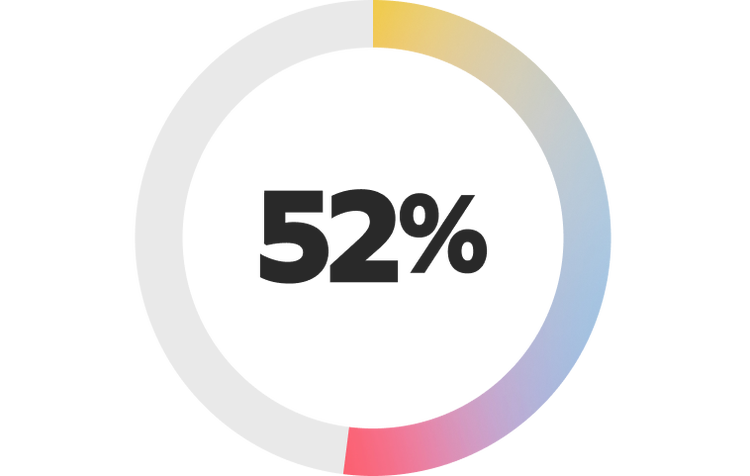
52 per cent expect agentic AI to automate routine customer service tasks (e.g., FAQs, returns, order tracking) within 18 months.

The path forward requires extending the industry’s operational strengths into customer-facing and buying-group workflows — areas where AI has yet to be broadly deployed.

Organisations that pair this expansion with value measurement will turn today’s AI maturity into durable impact. Here are the top three action items for high-tech organisations:

View more insights from the 2026 AI and Digital Trends research.

APPENDIX

Research Methodology

For Adobe’s 16th annual AI and Digital Trends research, Oxford Economics, in partnership with Adobe, conducted global surveys of 3,000 executives and practitioners and 4,000 consumers to better understand how organisations are leveraging AI to capture customer interest, build brand loyalty and augment customer experience (CX) workflows — and how customers are responding to these changes. The surveys were fielded online and via computer-assisted telephonic interviewing (CATI) from October through November 2025. “High tech” refers to a global set of executives and practitioners from organisations in the high-tech industry. This group makes up 17% of respondents and represents a wide range of business sizes. “B2B organisations” refers only to B2B and B2B2C organisations within the high-tech industry. View the 2026 AI and Digital Trends report for more on the full research methodology.