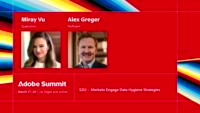
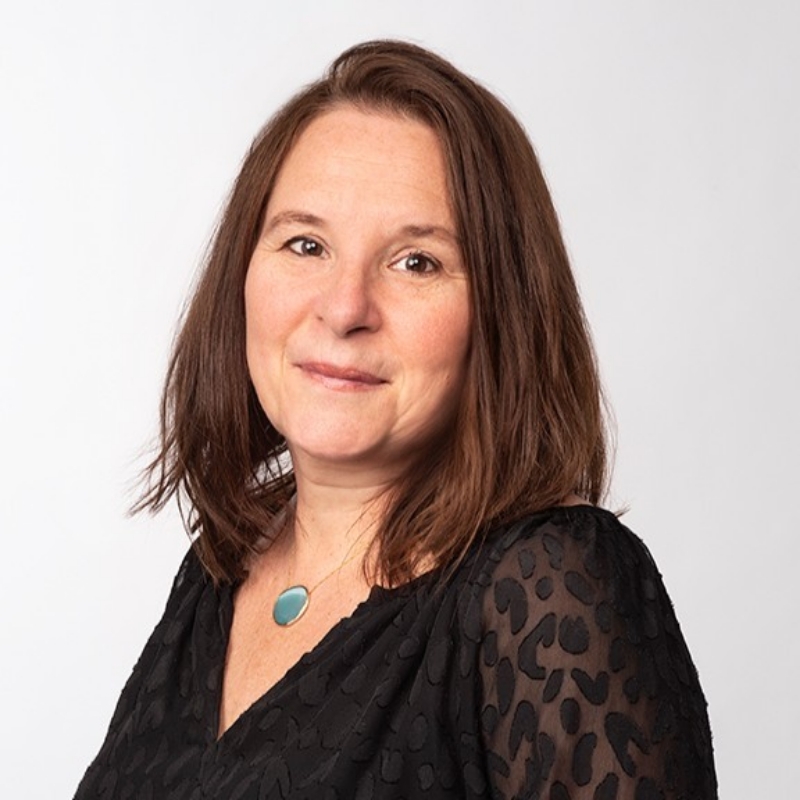
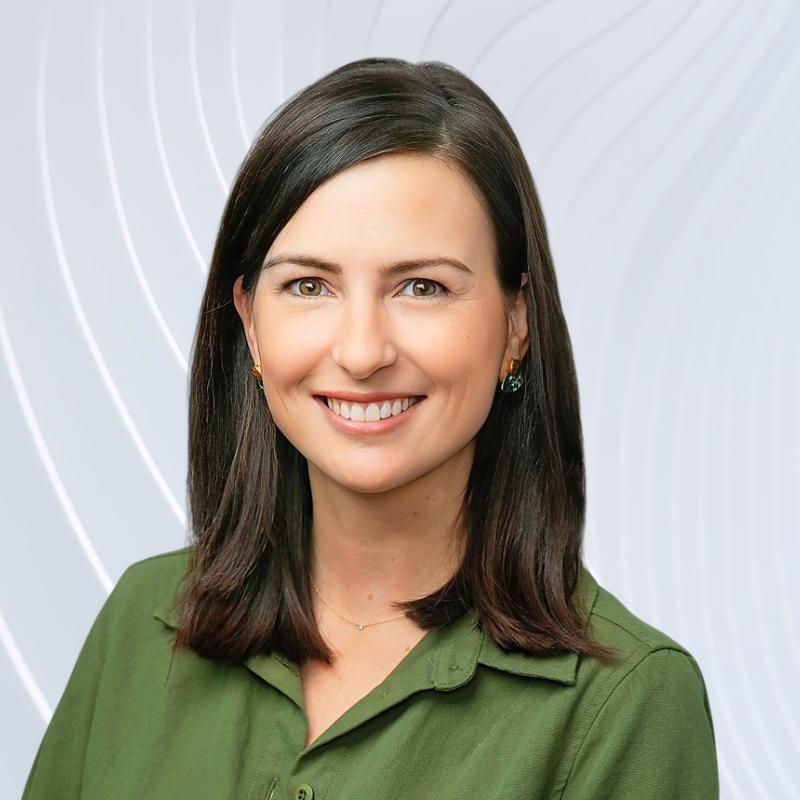
[Music] [Emily Wilhoite] Thanks, everybody, for joining us. I know it's after lunch. It's the end of the session times for the day, but thanks for joining. I will get into some introductions. I'm Emily Wilhoite, Chief Marketing Officer of Blue Acorn iCi. We're an Adobe partner, have been for over 15 years. We actually started as a commerce partner, so that's really what we were born from. And so I've been at the organization 12 years and seen a lot of commerce change and really excited to be here at Summit and featuring this amazing B2B case study. Peter, I'll let you go ahead. [Peter Czimback] All right. Well, good afternoon, everybody. My name is Peter Czimback.
Really, my job at Aramark is to create possibilities for the company using technology.
As a company, we're a hospitality company to the core. But really, the focus is creating amazing hospitality experiences using advanced technology focused around three things. The consumer, right, how do we be in as many conversations with consumers as possible? Let them order however they want, whenever they want. We'll talk a lot about that today. For our associates to create the great service experience, enabling that moment, and I always say that one more moment to say good morning is what technology's role is for us. And for our clients, it's really about making sure that things are most important to them. Employees coming back to work, how do we make the most productivity out of the day? Yeah, it's not really about food or, like, ordering coffee and things we'll talk about but it's about the things they need to get accomplished. And that's really what we're focused around technology. I've been at Aramark, a very long time as some know, 26 years in this organization. Started as a trainee doing some of the things we're going to show you today. So, very excited to be here, and thanks. Diane? [Diane Pancoski] Yeah, hi, everyone. I'm Diane Pancoski. I lead our marketing and strategy team, for where business happens in the business and industry. So, whether it is an office space, manufacturing, distribution or honestly when we talk a little bit about our freshmen team, it could be any bank, car dealership, anywhere where you get a free amenity. I focus on the B2B side we'll talk about but also the B2C side because we bring the physical and the digital together in what we do as a hospitality company. Thank you, both, for joining.
You gave a glimpse into Aramark and some of the things you do, but I think it would be good to level set on the business overall and then a little bit more about refreshments to set the stage. Yeah. And I think Diane talked a lot about this, and we'll talk about it today and certainly open to questions around it. From an overall perspective, leading the organization globally, like I said, it's staying very true to this methodology of creating great experiences. I always say, funny being in a tech conference with Adobe, telling people, "I actually don't care about the technology. I really don't." And you can't. You have to obsess over the things that we talk about, our consumer and what they do and what that consumer really is. For us, it's unique because there are many different things. They can be that person, working in an office of a couple hundred people, a large, industry leading organization, a hospital system, oil rig in the North Sea, and goes on and on to think of every consumer segment you can imagine Aramark services in. And so how do we manage that complexity at the edge? Because, really, we make our money at the edge of what we do, right? When that register rings, when that person engages with us, we've got to create that moment and bring it-- Think about it backwards versus center down does not work. And so, really, when we're going through things with what Diane and I do and Rich Sachs are sitting up front, we'll pick on a little bit today since he's there, we want to make sure that we're thinking about closest to where the interaction with our consumer is and then thinking about it backwards and how we can maybe carry it across. If we can't, because it will jeopardize the experience, we'll think of new ways to do it. It always is that experience ideology has to stay true in everything that we do regardless of here across the other 15 countries that we serve in.
And so specifically on the workplace side, we've really changed who we were. We used to be business dining, a food service provider. We have reimagined ourselves to workplace experience group because, again, for people in the workspace, it is about experience, engagement, building culture, and community. And the best way to do that is over a cup of coffee, over a sandwich, right? So we do that and we provide that. So we've got this very personal way of doing things, but then there is that technology that enables people because when you're at work, convenience and experiences, and depending on how your day goes, we have to deliver both, right? We also have on the B2B side the client, who we're trying to simplify and make their job easier. So how do we do that? So, up here, you'll see when I get down to the actual amenity space, and we're going to really focus on break room amenities today because that's what our ecommerce platform is about, people that are giving free things to their employees. Most number one thing, coffee, right? But water, snacks, beverages, there's lots of things, different types of supplies. And so the difference between what we do versus another company that picks, packs, and ships to you is we pick, pack, and deliver, right? So we have that high touch service piece to it, and we needed the ecommerce experience to have just as much personalization and high touch. And that's why we platform, that's why we worked on the new Adobe platform with Blue Acorn to say, we can't have-- They have to merge together because I'll never compete with those big companies on price. I'm competing on service on that high touch, and that digital experience has to be the same. Perfect. I think that's so helpful to know the background and especially driving into the refreshments business. Let's talk a little bit about what wasn't working on your B2B experience for refreshments? What led to this re-imagination that you guys undertook? Yeah. I mean, it was clunky. It didn't have that personalization. It was hard to navigate. The user experience was not where it needed to be from basic functionality of the mobile experience, right? You would have to walk around get again, the highlight of your day as an office manager is not ordering coffee and cups for the break room, right? So how do we make it so easy and simple? Well, now you got to walk around with your laptop or with a piece of paper because our mobile experience wasn't great. Now you can walk around your device and boom, boom, boom, and click and go, and you're done. Subscription, reordering, out of stock, upsell, all of that has been seamless to us. So that experience has been so much better for our clients. I think so much the admission of it, right? I think we first looked at this. Look, the site actually was doing well. We were making revenue. We were hitting our numbers. So, it's always, you go from a big organization saying, okay, listen, we're going to build a new one. But it's working. So why would we do that? So, you see, the joking part is admitting the baby's ugly, right? And the mobile-- I mean, Diane and Rich, we all talked about it. It was just horrific. Like, it didn't work. So we didn't really have a mobile presence. So you have to sit and say, like, all these things that are go to when we don't retain clients are really those experience things that matter. So, regardless of making money, we're actually not. So it's kind of creating-- You've got to kind of narrate that in your organization and say, "No, it's not. Here's why it's not working for us. Here's what it can be." And, again, that point of, like, thinking of that office worker, yes. As much as we love to say, "Oh, my god. We make it so wonderful for them filling a coffee," they don't care, right? They've got a million other things to do in the world, and you have to appreciate that. So some of the challenge was, again, just we're going to have to do this, yes, it's working but it's really when you look at it, it's actually not working at all. And so it's showing them, painting the numbers a different way and making sure calling it out. And it's expectations too, right? B2B buyers are consumers too, right? That office manager who needs to reorder coffee is on her mobile phone doing something at her lunch break and expects a great experience when-- They can do it. They know what they can do is when they go home, they can set their new groceries on Walmart. - Right. - And they can do stuff on Amazon. But then also have to realize doesn't take a genius to put it together and go, "Well, I can just do that too." Yeah. Service can only get you so far, and Diane talks a lot about this physical and digital world having to really not just-- They've got to be together because you can't be one or the other, right? And so that's the part of service will only get you so far that your digital experience has to match it, but it has to be ready to grow with it. Right. And I think, as you embarked on this, things that you've mentioned improving that experience on mobile, but what else was important as you went through this? I think AI you've mentioned in our conversation-- I mean, listen, we can't get through this while we get AI conversation. I mean-- How many minutes in and we said AI-- I know. Listen, this was a drinking game... No, look, it is that idea of you shop at home, it shouldn't be different when you shop at work. And, again, consumers, they know that, they don't care. They want what they want when they want it, how they want it, where they want it. Those fundamentals of the consumer doesn't change because I'm ordering coffee at a break room. And so, you have to match that. And those things that when we went through it, and said, we'll point to Rich Sacks, our CTO, as he goes through this, it's like we got to have-- We know the capabilities exist. We know we can create it. We know that-- By the way, we have enough data to know that the person that buys coffee buys these things. So it's just creating the opportunity to match it and create those moments, even just the simple things, the holidays of the year. The reorders, right? And the biggest thing that to do is, well, I just pushed the reorder button, so then I can just get about my day and do something else. And that's where, again, the stuff we're doing with AI is really helping us curate to that person versus making them just a transaction. Great. And I think, Diane, thinking about what you guys did for the new site, how did that really evolve your business and deliver this great experience. I know we talked about these pillars that you guys have focused on that consumer journey and engaging with the customers more. - Tell us more. - Yeah. And two things, the front end of our site, that's open to the public, right, we're looking for new customers. I mean, we're looking for anybody that has an office space. It could be 50 employees, 300 employees, not all Fortune 500. So we're looking for them when they're typing in, "Coffee services in Detroit," I need to come up, and I need to give them a reason on that front end why. Well, everybody needs an ROI. So the way we've built it with the stories, the blogs, the reasons why you should have these free things, how you should do it. When our people, our service techs who are amazing go in and talk to these people, it's great. But when they can read a story and have a case study and really understand why, that really helps for sure. So that has been a really big thing. And the searchability, all the things that we've done has helped tremendously. Our leads are up dramatically. We're not getting service requests. We're getting relevant, qualified leads of people who truly are interested in buying from us and not someone who wants coffee for their home, which we would get a lot of as you can imagine, coffee is a very high searched word. We've been able to hone that into finding relevant people that we can get our salespeople engaged in to sell more and have a higher conversion rate for sure. Yeah. And I think it's continuing to tell that story, and making it really easy. I think we talked about the why you would do it and that you can do it. Some of the things that are really great the team's done is tell the story that you can have this, right? You don't have to sit there and be like, "I just need the cheapest one possible." You can have this great experience. And then when you're ready, it's actually very easy to say, "Contact me," and off you go. So you think about this, gosh, 20% plus, almost 30% more qualified leads versus we may get-- Peter may sign up because like, "Hey, I want coffee in my house." And we get those 500 times. Well, we still have to call you and figure out if you're good or not. Right. And so then we have to pull that back, and that creates and we've taken the inefficiencies out of the B2B process. We've created a great experience. And then when you also see on the site, you see the great consumer experience, then it really completes that story. You can have a great B2B way to engage, but if the rest of it's not there, the other pillars, well, then it doesn't matter. Then, yep, again, consumers aren't something either stupid. They're smarter than we all are. Treat them that way but tell them the story that way. The another KPI we don't always think about in this world is retention of our salespeople. These are sell, these are really easy churn sells. We have hundred plus sellers. When we give them and feed them more qualified leads, they stay because they're very highly commission based, and it's a high churn job because IT'S an entry level sales job, and now we're finding they're staying, they're learning more. So that has another effect that we don't really think about of a KPI, but we're seeing that tremendously because when I keep feeding them that stuff and they're making their numbers, they're very happy and they stay. Right. So let's get into what it looks like now. New experience. Isn't that nice? - Beautiful. - Yeah. I think the part about it and what the team did an amazing job is, they said, "We knew what we were, but we knew what we could be," right? And I think the first phase of it, we're going through this was we're going to jump ahead. It's that idea of not-- It's just more than what we are. Let's reach far. Let's look at the way that the technology is and we want to design that experience. And, again, bring the best partners that we can do. And I think when you see the things that we've done, where AI fits that really cool experience, it's why our average order value is up dramatically just on the first-- This is the first go of it. Think about for those of you that have done this before, I was going to say, we've all said it, this is the easy part, right? Getting the new platform up and accelerating yourself from where you were, that's easy. Then now we got to run this thing. We got to make this thing churn, process of iteration, continue to evolve. But I think what we've really learned is that we were able to get very into the great emotional needs of that business. Solve that problem, right, and then create this great curated experience for you that makes it again-- I always go back to what Diane always talked to us about "This is not the highlight of their day. So how do we make this as easy as possible?" And yeah, it could be pretty cool to pop up some things you might like. And, again, those things, that's where we're capturing the value that we need to capture. Yeah. Diane, you gave me an example. Some of the customers, the office manager who used to lug a heavy laptop to the break room or get a sticky note and write down what they needed and go back to the desk. And now this beautiful mobile friendly site, right, is solving that. Oh, absolutely. We're getting great feedback, for sure. The other thing it enabled us because it simplified the back end, so all the product information that flows, the attributes that we're picking, all the things it enables upsell, enables out of stock, all of those things. And now we're actually working on the ease of it to do-- We're launching Canadian English, Canadian French. Next, being able to have it-- And it's been really easy for my team to actually execute versus it, the back end before wasn't as seamless as this one is. So that's really been helpful because then they can focus on strategy. They can focus on running promos. They can focus on the right analytics. Yeah. I think Diane had a great point. The things that we've-- Across all of Aramark, we've really focused on creating this ecosystem that can be, again, very-- Allow us to be very simple in the way we execute. It's very connected. And the things that came out of here is, I remember because, again, we talked to salespeople many, many, many, many, many years ago. I was that person. That was my first job in Aramark. And you remember the part, he would always, like, you're trying to sell, but I'm also going to run the product of the person that orders on those out of stock. And the out of stocks in the past, again, sales were up, everything's fine, right? Organization's like, "Oh, my gosh. You're making your numbers. It's great." But you realize what out of stocks were costing us. You never knew as the consumer when you ordered, you're out of stock, until it didn't show up. And then if you're mad, we try to run it, overnight it. So again, sales reps used to put it in our car, and we'd drive it on our way home or wherever to our next appointment to make sure that we could take care of that consumer. Now we know it because we're fully integrated throughout our systems, so we know it's not there. And by the way, when it's not there, we can suggest those other things. Not super-- You think about it, everybody does it. Great. Yes. They do. Then you add the service element onto it which then sets us that-- Creates that better moment for you. It's that we're not just going to ship it and you're on your own. We're going to-- You've got that. We gave you that great order. We're going to deliver it to you and take care of it and stock it for you.
Go ahead. Honestly, so the other thing that's been big for us because we have large client organizations that want a special catalog, special pricing, and only certain things that go to them. So we are able to curate not only how you personally shop but now for those clients that are saying I only want them to shop in this bucket of things. This is the price. Run these types of promos to make sure that they have a very consistent program across maybe 100 plus of their buildings across the country. We're able to create these micro experiences for a specific client organization, which they love. So from what we call our key client or our larger clients, it is a really nice big sell. And that's such a benefit of Adobe Commerce allowing B2B customers like you guys to manage those different pricing, different catalog, etcetera. Yeah. Because we always say, if I have 90,000 customers, I have 90,000 contracts, 90,000 experiences, 90,000 pricing, right? Because they're all very special to that customer based off of their business need. What equipment they have, how large the account is. So it's very specialized, and this allows us to do that. I think you touched on-- You talked about the salespeople being happier, but also your team, I love that that that, yes, you guys made this for the office manager per se, but your internal teams are seeing the benefit as well. Oh, absolutely. From the front end to the back end, right, because I have external marketing people that are really trying to really focus on that SEO, SEM, those stories, those blogs again. And then we've got the ecommerce team that's trying to get our current customers to stay and buy more. So now they can work together. They have the same platform. We have a great new blog. So it all seamlessly works together. Before it was different things. We were going off of aramark.com and then the ecommerce and then the blog. This brings that all together seamlessly and really easily. So it's really been-- The team has been really happy with the experience. Good. I think we have a few more examples of the features and functionality that are added to make this all happen, right? Let's get into those key fundamentals of the things that we knew, right? When you really look at the data, we knew before everybody. There are a lot of clients that are very habitual on things that they do. I'm going to say, "My gosh. Just reorder," right? We can create subscriptions, which is something we always wanted to do but never could do, right? It's why we made the switch. It's why Adobe is our partner through this because we could create those things we knew existed. We just were never able to get to unless we-- It's like hacked it together, right? And feeding into all those things all the way into our back end and investments, Aramark as an industry leader and what we're doing around AI in our space is allowing us to get even faster and smarter, and that acceleration happens. So the reorders are not just reorders but the reorders with suggestions, right, and things that we can do at the right moments we know we can, not just managing what you buy but how you spend, how you're, again, starting to think about the things around packaging the different consumers. I mean, we run a lot of businesses. A lot of them are very much the same so we can leverage those insights of the industries we serve and start to pull those things together around your experience. So you're getting all of the data from different sources and having that smarter ontology allows us to grow better. And also remember, finally, it's on a mobile phone where it's really freaking easy. And that was the part of, like, we heard you, we got it. And I think a lot of our activity now is continuing to show up that it's on a mobile device. That's where a lot of our information is. We're getting far less phone calls than we would get. In fact, like Diane's doing things where we're trying to get those few that still love the phone to just let's deflect you over and get those things. Because when they get on there, that's where we're getting on-- Honestly, we're seeing better-- We're seeing more, obviously, increased sales, but we're seeing, again, the retention of our consumers. Our clients are continuing to-- People are staying with us more. They're not going to the Amazons of the world, right? They're seeing the value. It's easy. And, again, I don't have to worry about this. This is not a problem of my day.
Specific AI examples that you're doing, I think discovery and curating product suggestions, right? Tell us a little bit more about that. What is happening on the site generated by AI to-- I think you'll see the simple things, right? The matching of your likes and those types of things. Again, based on inventory and stuff that we have, we're starting to play around this. We have a long way to go, right? I say this, we've got this all figured out. No. Like anybody else, we've done a lot over the last years around AI, and our mark's made considerable investments in that space. But it was really around being smarter with what we have and how do we use that. How do we make better decisions around inventory at the right times? And those are the things some of which you're seeing little bits of and some of which is really the things in Rich's mastermind of, "Here's what I want to get to." And so I think we're-- Because we've made those underlying investments in the architecture as an organization, we're now able to, with the right intent, put the right platform in the right place with the right partnerships. Now we're at the pace where speed is now we can go really fast because we're also going really smart at the same time. Yeah, and I was going to add to that on the inventory piece. We have 50 plus market centers that are 56 warehouses that have all different levels of inventory. We can run specialized promotions now to that client base out of the Dallas Market Center because they need to move something specific to Dallas versus New York or wherever, right? And before, we wouldn't have been able to do that. So now we're getting more and more specialized with messages of those market centers to feel very local, where they need to, national, Aramark, where we need to, and then localize some of those things to help them move the right product. And that's been a huge, huge one for us. And I think that goes to the people side of things. Aramark's a really fun organization. It's someone who's been here a long time, and I won't pick on Diane, but she's been there a long time with me too. But that part of we could really do well on just the knowledge in our heads, the institutional knowledge is really something that is great amongst our industry. However, that's not the way it is anymore, right? We don't have people staying an average of 15 years in our organization. So some of that institutional knowledge needs to be-- It needs to be generated. It needs to be automated. It needs to be something that can carry on beyond this. And I think that's-- You think of those market center things, something great market centers, they just knew it. My goodness. When they left, uh-oh, right? And so that's where we're getting the value of this. It's not doing with less people. That's not really it, right? We're doing it, again, when our team delivers and stocks, they can have a conversation, like I said, go back to have a conversation. Technology done well is us sitting there, talking to the office manager, "How are you? How's your family? Here's some cool things I brought you something just for the holiday or your birthday." All the things we know but the time to do it, carrying that knowledge forward, that's really the things that we're going to continue to do. And you have to-- Again, it's going to give the plug to Adobe. They've got a great platform that allows you to do that. You get the right partners that you have with us, the right vision of the future. This is all of what's possible and, again, why we're seeing now-- The organization is like wow, you guys are right. We were actually almost unsuccessful, even though we thought we were good. But now we see where we can go, and now, it's like now what-- Yeah. It's like any good thing when you do well, the biggest thing you get is more work. Right? What's next? I think you touched on some of the results, right? Some increased order value, more time on-site. But, Diane, there's also increased lead gen for the business, right? Yep. And increasing the new customers that are coming. Anything you want to talk about from the lead gen side of the new site? Yeah. I would say for us lead gen, it was more really around qualified leads, right? Like I was saying earlier that they're really people that want coffee service for a building that makes sense for us versus, again, other things that just didn't make sense or a lot of service requests, right, or things that just weren't-- So we found that that qualified lead, getting that right into the hands of a seller, we can close those very quickly. So the closure happens quickly because they're ready to order. And so, that's probably the biggest piece of it that I would say that's happened. I would say the ease of use, right, that the right relevant stories attached to the blog to get people because, look, they're business people. They don't have time to read. But those little snippets of those things that say, "Oh, wow. This is what Aramark can do for me. This is amazing. Let me get more information," and then we're able to close that sale. Because, really, at the end of the day, I can get 10,000 leads. If I don't close any of those and bring money to the bank, it doesn't matter. So I always love the click open rates, but I like when somebody tells me they need something, and then I can actually pull it through and say, "This brought me customers, and we're seeing that." I love it. Love it. We've a lot of positive things but what were some of the challenges? I mean, this was a pretty big undertaking and rolling out a new offering like this to-- You talked about your sales teams, but what are some things that other organizations should consider? What were the challenging parts? I mean, look, I can speak from my perspective and working with team and Diane and I have been together for a long time. So Rich and I-- And again, the things that my team, where we serve the organization and creating the possibilities, the hardest part is letting people know that, one, we need to be thinking that way. And two, it's actually possible, right? I mean, again, I go back to the biggest challenges. You guys are fine. Your numbers are good, right? We're hitting our commitments. Wall Street's happy. Okay? Wonderful. We're like, "No. It's not." And we need to be thinking differently and having those things. As we said, it's a challenge. I had less gray hair when I started some of these conversations and you've got to be in to be able to sell it. I think the hardest part was selling them on the idea, once it got there, it was getting there. Then became the things of like any organization that we love to hold on to things for very long times. We love our stuff. And for a lot of good reasons, but sometimes for a lot of bad. And I think when we went through the transition, looking at other providers and things, and look, Adobe, I think to be really honest, I remember I remember the texting that Rich and I were doing when I was traveling. We were like, "Nope. This is probably not going to work for us. Going to probably be a little bit too hard, might be too expensive." And I remember Rich texting, he was like, "Oh, my gosh, you got to see this." And sends literally, like, "Text me." He's like, "I'm going to send you the deck." And remember we're on a plane. We're like, "Uh-oh." They can do it, right? But I think those-- Getting people through the idea of the change of it. We can do this. You have to be willing to, as I said, the idea of designing is imagining if you destroyed it last night, what would you do? Yeah. And if you think that way, you may not take the decisions you would commonly want to do, which is like, "Well, hey, we'll keep the same platform and the same partners and we'll do the newer platform of the same and do those things." And breaking those habits, having those conversations is difficult. Any organization, I speak to organizations and work with them around the world, and that is a challenge for us.
Yeah. I spent way too much time on the PIM. Data management. I mean, the undertaking of managing 8,000 plus SKUs, hundreds and hundreds of vendors, getting the right pictures and video and the long and short and the right keywords and attributes. I mean, we had a team of people because we're going to re-platform. You don't want garbage in, garbage out, right? So I would say that was the biggest thing that we probably should have allowed more people more time. For sure. So that's the one. And then two other languages with Canadian English, Canadian French. I mean, it just-- And all different attributes and different things. So I would say that that was probably bigger than what I expected and my team expected. Got there, continuing obviously to do it. But when that's not right, the other stuff doesn't work, right? So I would say that is my biggest one. And then I would say on now after launch side, because our experience wasn't great before, most of our customers are not self-ordering. Customer service people are calling them and using the system to place an order, but it's an Aramark person putting an order in. We know when someone self-orders, we're 20% to 30% higher AOV, right? Now the challenge is to get those people that were like, "I didn't like it before. It was too much. I like when Mary calls me and I talk to Mary." We love Mary too. I need them to go and go on to the self and figure out how Mary can do something else to talk to them and touch them, but you're self-ordering to get to that higher AOV to get to that.
So I just feel like that's going to be our next journey is this whole how do we get people and then send them to move over to self-ordering. And so that's where we are today. But they're like probably the two biggest things. You have to now convince them. - No. It is so much better. - Yes. Yeah. Convincing them, but was there any friction with your sales team that you made such a big improvement? I mean, change is always hard. - Sure. - It just is. At the end, the trainings that we did, multiple trainings, going back, high touch things that we did, I think it definitely helped in going back. We actually did it with major clients also. Yeah. So that, I can't-- More email campaigns to tell people it's happening, what's happening, hand holding them through the order system to you had to relog in and do your new name and password. Yeah. Those little things are just roadblocks for people that when you're at work and you forget. And so I would say over communication, hand holding through it. We continue to do that. It gets better. We have the round of Canadian next coming up this in April. So we have learned a lot, but that one, you can't overcommunicate, call people, walk them through it, walk them through it again. Yes.
As easy as the system is, change is hard for most people. It's great. So you have this foundation now, and, Peter, you alluded to what's next. But what are you excited now, that you have this great experience? What's next for refreshments and maybe beyond an Aramark? What are you excited about? I think we've made-- Continuing to see this journey evolve, I said, again, I always go back to being my career starting refreshments. And so it's always like that bias of this was where my career started, and I think it's really cool to see it evolve of what it's become. I think from an organization, we've made considerable investments in Adobe. We're going to continue to do so. The parts that I think I'm most excited about, really when you think about 50% to 60% of Fortune 250s are actually exploring into Agenctic AI, right? The idea that you hear whether all the trends are there, Agentic conversation, whatever you want to call it, it's got lots of good marketing names. But the idea that Agentic AI is going to continue to rapidly accelerate because the costs, I mean, again, it was a million interactions. It was $60,000. Now it's 60 cents or something or $60. So as this cost continues to come down, people start to use it. We knew this back in 2018 is that 60% of people would rather text a business versus call a business. We see that now though that I can create this experience, by the way, where I can just go in and say just reorder my stuff, and it's done, right? I can ask, "What's the promotion? Oh, yeah. I want that." Those things around your mobile-- Or when you think of digital and even mobile's role, these platforms exist to then start to put Agentic on top of it. And I think we'll see that. Different opinions, Peter's point of view only is I think we'll start to see that pretty heavily in the next 18 months. Heavily meaning more people planning for it. For companies like Aramark, you probably see us doing it. Again, we've got a huge experience around Agentic AI going on in several things that we do. So we're learning, right? We're in that phase of, okay, now we're ready. But I think that's something I'm pretty excited to see as you see it in everything you do. There's always some sort of agent experience in more and more things, and it's becoming more common. It's where people look, it's becoming simpler, it's becoming more affordable in different things. So I think that's going to be a really fun way to figure out how do we do that, what is that for us in the workplace, for the break rooms, what is it for the other parts of our business and college and universities and sports and so on? So I think that's the really exciting thing and that we are ready for it. Foundationally, we're really set up and we're there, so now it's just speed and going. How do we create those things when you go visit a park that we can actually use that to guide you through and create an amazing experience before you hit Yosemite? So this is the fun things to do. It's exciting. And, Diane, you talked about expanding into other regions and languages that you're doing on the site. What else are you looking forward to with the next phase of this refreshments experience? Yeah. I mean, I would say it's around loyalty, getting customers, how do I keep them engaged? How do I get them to buy more for me? Make sure that the user experience continues to evolve and get better, right? It can't be stagnant. You have to keep talking to them, keep making sure that they're using us and we can make sure that we're helping them in the ways they need to get help. And we connect that to our warehouses, right? And that when we're running bundling, so now that we can do all these things, it's the connected part that the warehouse can actually deliver on everything. So we're really focusing on making sure that that end to end works seamlessly and how can we run things that engage our B2B customers and then the warehouse can deliver them. So still working through that piece of it because you can run a ton of promotions and a ton of things. But if the warehouse isn't set up to run them the right way, which is really resetting our warehouses, which we're working through, I think that's the big piece, again, the physical and the digital. We're not pick packing and shipping. We're actually going there with route drivers, and we have to just make sure that they're all aligned so that when a customer does have a question about something on the website that they actually can help them because they're physically in their spaces once, twice, maybe three times a week delivering. So they can also help them say, "Oh, here, let me show you how to order." So those are some of the touchpoints that we never want to lose that hospitality piece of what we do with making sure technology enhances the experience and they work together. That's always the challenge with us. On the B2B side and the B2C side, we're always trying to take that digital and physical and making sure it enhances the experience.
Wonderful. Well, I think it's a great story and I love hearing the success that you guys have seen and the excitement of what's to come. Peter and Diane, thank you for sharing this story with us, and excited to see what lies ahead. And maybe this time next year we're talking about some Agentic solution added in. Who knows. - Well, thank you. - All right. Thanks, everybody. Thank you.
[Music]