Carmelo Anthony and Kelsey Plum: Marketing Lessons from Basketball's Iconic Players

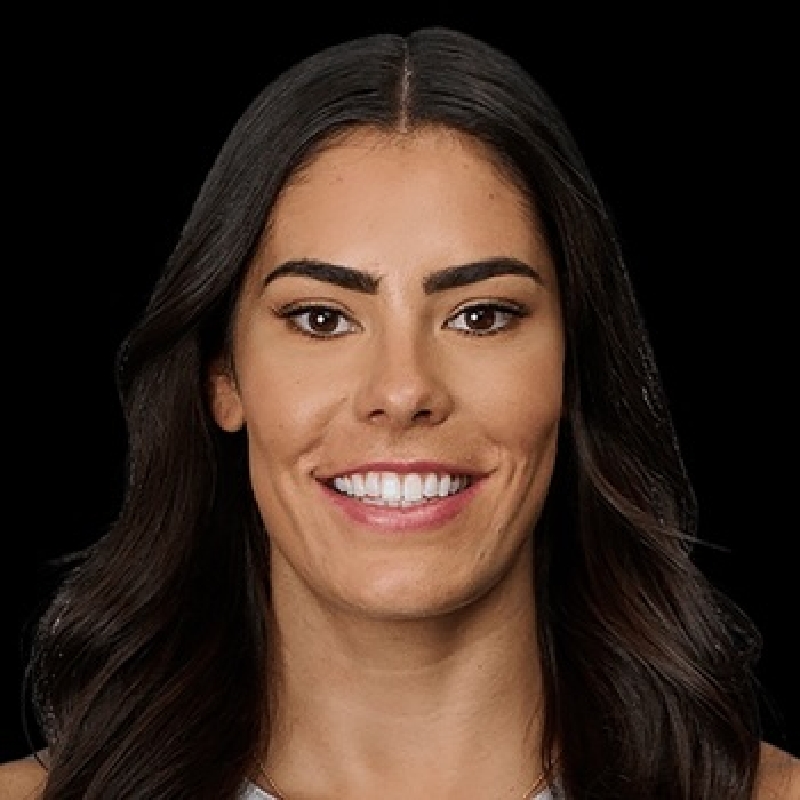
[Music] [Jen Zick] Hi, everyone. Thanks so much for choosing to be here. We are going to have so much fun. I have personally been really, really looking forward to this session. So let's get started and bring out our All-Stars. So, with two WNBA championships and two Olympic gold medals and a three time WNBA All-Star, all at 30, she is not only fearless on the court but off the court. Please welcome Kelsey Plum.

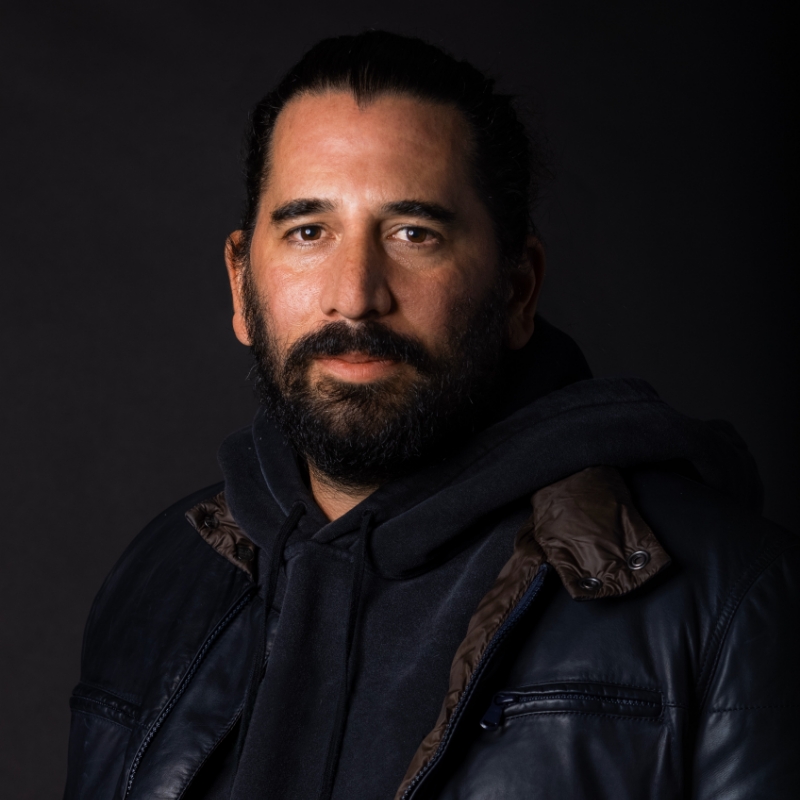
And as executive chairman of Code and Theory, he is the gold standard of merging creativity and technology, helping global brands reimagine audience engagement. Please join us on stage, Dan Gardner.

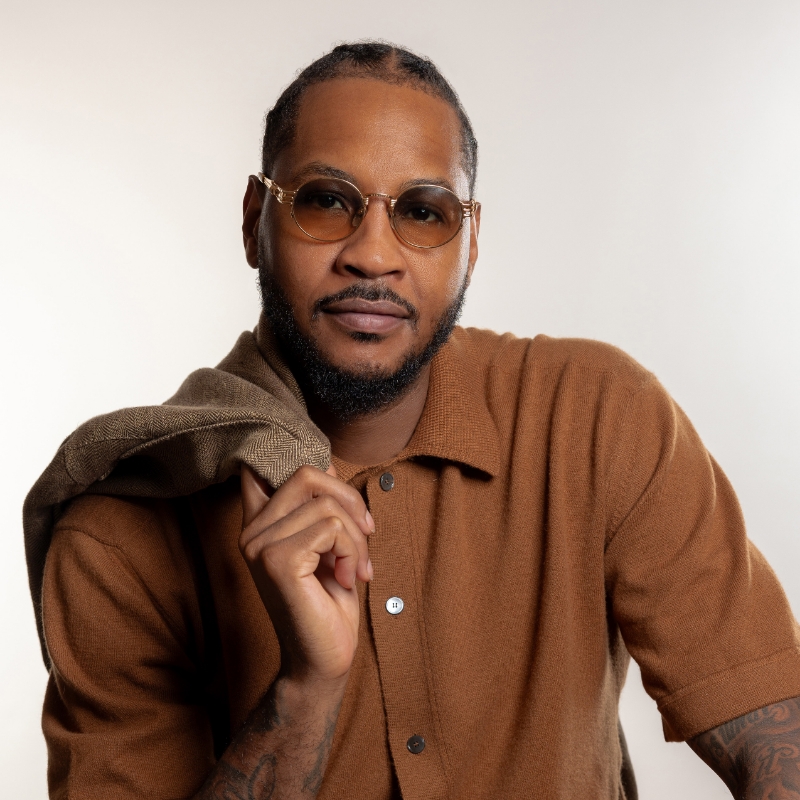
And 10-time NBA All-Star and recent cofounder of VII(N) The Seventh Estate, he has truly built a brand that transcends sports. It's so cool to be here with Carmelo Anthony. Carmelo, please join us.

And, Carmelo, I have to say, thank you to you and your business partner, Asani, for sharing your wine with us at dinner tonight. I mean, it was so delicious. So action item for any fellow wine lovers out there, VII(N) The Seventh Estate. I mean, it's delicious, especially if you're into French wine. [Carmelo Anthony] Thank you. So, yeah. Thank you. That was really good stuff. We have a lot to cover. So I'm going to just dive right in and Kelsey and Carmelo, let's start with you because I was reading a study by Momentum in the Sports Business Journal recently that said about 50% of fans are making purchase decisions based on athlete endorsement. So that's powerful stuff and you both have, like, truly powerful brands. So I'm curious how you stay focused with all the brand pressures and how you're using technology to amplify your brands and your deals. So I don't know. Carmelo, let's start with you. Okay. Kelsey, ladies first. Yes. [Kelsey Plum] So I think, for me, the main thing is the main thing. I love to play basketball, and that's why I'm standing on the stage right now, or technically sitting, swiveling.

But I've really tried to take a lot of pride in that as, like, my craft. And then from there, opportunities blossom. And so I think just overall having an idea of, okay, who am I and what is important to me and then aligning myself with brands that I'm in alignment with. Because I do think it's kind of Carmelo and I talked on a panel just a while ago about how it's not real when you see certain people or athletes partner with brands and you can see that it's not genuine. And it doesn't connect with the consumer. It doesn't connect with people watching, and it just is, like, hi and bye. And so I want to make very genuine connections and partnerships and make impact with not just like my community but also other people watching, and especially as a woman just wanting to be able to align myself with brands that are empowering and really support other women and make an impact. Yes. I love that as a woman aligning with brands that are powerful. - I mean, that's awesome. - Yes. - Carmelo? - Ready for me? This room's a little quiet in here, man. Making me nervous up here.

Oh, okay. So I think, for me, it's about actually really figuring out exactly who I am and what I want to do and then what brands I want to align myself with. But also what brands align with my brand mission as well because you can have people that represent brands or partnerships and it's just a brand alignment that just doesn't work. I think, for me, it's about being very intentional and what brands I align myself with, what brands that we can kind of utilize one another to get to the common goal, which is to make something special and to get the consumer out there to come in and join whatever community that we're actually trying to build. So it's about being authentic to myself. If I feel like the brand that I'm talking to is talking to me is authentic and they're putting the groundwork in and they have missions and they have morals and it aligns with my missions and morals, and that makes it a lot easier to do business. So it's a authenticity gut check. - Absolutely. - Yeah. Very cool. Dan, over to you. You've helped countless brands find their voice. So what is your secret to helping brands, businesses, athletes get ahead during this moment of massive tech transformation? [Dan Gardner] Yeah. I think it's important to distinguish two different things that often get conflated, and that's the idea of implementation and innovation. And people use it in the same way, but they are completely different things. When you're implementing, it's important. Obviously, we're at Adobe Summit. That needs to happen. You have to enable yourself to be able to have a platform to do things. But innovation is about creativity. And if we're going to use software, especially at Adobe Summit and talk about creativity, that comes from innovation, imagination. That is different, and there needs to be value on that. So whether you're a brand or you're an athlete and you're thinking about how to position yourself in different ways and connect with audiences in new innovative ways, share of attention is really difficult.

And just a better data platform is not going to distinguish yourself when you're racing to the bottom, when everybody's implementing the same data platform. That's not the way to do it. You have to be innovative. And the best brands have some history and moment in time where they're innovative. And the best influencers or athletes that have broken out have some way, they used the platform in a different way, they connected with an audience in a different way. Obviously, authenticity is important, but how do you do that in a way that separates you? And that difference between implementation and innovation is just so stark to me, but I just don't see it is clear for others. Yeah. No. That's a great point. And sounds like it's not just data. It's not just creativity. It's both and how you activate them together is what gets those results. So very cool. Kelsey, so you told your mom when you were 10 years old, I read, that you wanted to be a WNBA star and you did it. Amazing, so inspirational.

Through the journey from being a college recruit to being a WNBA All-Star, you've seen how a personal brand can grow. I'm curious because I heard about your Dawg class. If you can tell us about that and it's Dawg, D-A-W-G for those of you out there because my Jersey accent is probably not coming through. Can you share Dawg class and what that's about and what it means to you? Sure. My mom's actually here. - Oh. - I don't know. Where's mom? She's somewhere. Did they not let her in? Adobe! I just thought-- - Come on. - She's banging on the doors. Anyways, my mom's the best. I did, I walked into the kitchen when I was 10, I said, "Mom, I just want to let you know I'm going to the league." And credit to my mom. She just nodded and said, "Okay. Let me know how I can help." And it's actually crazy because she told me when I did end up getting drafted, she said, "Hey, I just want to let you know when you told me that I had to leave the kitchen and I cried because that's a big dream for a little girl to just come and have so much bold faith about," right? But as a kid, you don't know any different. I mean, you guys know you just have a desire in your heart. God gave you the desire. He also give you the ability, and I just-- I ran with it. So I just want to thank my mom even though she's not here. No, but come on, mom.

But Dawg class is a camp that I created with Under Armour, partnering with them. In the NBA, it's a little bit different. There's a lot of time between the end of the college season and then the NBA season, and there's a draft process that is in place. There's a ton of support. There's a combine. There's a ton of agents or resources that allow these young men to transition to the NBA. There's no such thing in the WNBA. We have from the end of the NCAA Championships to the start of the WNBA season is maybe 14 days, and it's sink or swim. And it's one of the toughest leagues in the world to make. It's 144 players all fighting for spots. Feels like no one ever retires. So it's just slim pickings.

Diana retired. She's 42. So all that to say, I had a tough time transitioning and I wanted to change that. And so I just provided, basically, three days of camp. I bring in all the people that I work with, strength and conditioning, mental performance, Pilates, and then on court and basketball, and just create a community because at the end of the day, especially like Carmelo knows, basketball is really about community. It's who you can call and say, "Hey, I need help. What should I do? What do you think? You've been there. Can you help me?" And so creating that community and allowing these women to know, like, "Hey, I'm here as a resource. I also have friends in the league that are resources, and we want you guys to be able to get this bridge that we're building and walk over it and have a great transition to the next phase of your career." So long story short, that's Dawg Class. We're going on our third year, so it's very exciting. Yeah. That's super awesome. And I love that you addressed that mental component, which I know is a big part of what you do and being successful on the court. And I've seen multiple studies over the years say that roughly 95% of women in the c-suite positions played sports, and over half of them played college sports. So I think it's just extra cool what you're doing because the learnings really transcends from sport to business, and you're really fueling that success even in the workspace beyond the basketball. So thank you. It's really cool to see and inspiring.

Carmelo, you've worn many hats, athlete, entrepreneur, philanthropist. How do you keep your creative spark alive and how do you decide which opportunities are worth pursuing for you? A lot of times, a lot of things are actually trendy, right? So to alleviate myself from the trends, I step back away from it and see how long are these trends going to happen. What's going to happen within these trends and when is the dip in these trends and when is the peak. So those are things that I play around with in my head when looking at businesses and what I'm going to do as far as how to handle and juggle the many hats that I wear. It all makes sense. It may look like it's all over the place, but they all connect some way somehow and then it's all through the storytelling. We was talking about winemaking, and we talked about cigars, and we just we talked about-- It's cultivating at the end of the day. So even though I'm in two different industries, it's still the same thing. It's cultivating. It's getting down and talking to the farmers and talking to the winemakers and then really having conversation and then able to bring a different type of storytelling to that industry. And then that industry in particular is I want to speak about that because it's an industry where we can really take advantage of when it comes to content and telling stories because there's so many stories that's something that needs to be told from the way wine making is made all the way down to the soil and everything in between. So we try to look at it that industry as more educational, at the same time where we can bring people in and implement students into what we have going on and create these courses. So that's just different creative ways of tapping into the wine industry and at a sense. But overall, it's really about your connectivity. If I don't have no connection to you, it's very hard for me to even sit down with you and have that conversation. We can talk and I could give you ideas, you could give me ideas, and maybe that's the length of that relationship is going to go. But I would take that advice and I would try to utilize that, but it doesn't mean that I have to go out there and be a brand partner, which just doesn't work sometimes. But when you find that flow with a brand and you find that niche and what works, it's a beautiful partnership. And those are partnerships that I look at. I mean, from our talking even the last hour, everything for you that connects is your passion. - Yeah. It's-- - It's like the passion is the connection. Yes. Your multiple hats seem to just go naturally without-- Yeah. I'm very passionate in what I do. And to answer the question of earlier, what drives me, it is the passion. It is me being passionate about what I do, what I put my name to, what I put my brand to because a lot of times, I am the brand. My name is the brand. And we try to figure out how to get away from that, but it's unfortunate. It is what it is, and we try to make it work. But it's fun. It's fun identifying companies and talking to different brands and seeing where they stand at and what their plans are and what's the future and what they're trying to accomplish. And I just sit there and observe a lot of times just be a student and just figure out where I can help that brand and implement what I bring to the table. Yeah. Absolutely. And I echo that. I mean, your passion at least for the wine industry and talking to you about that last night and hearing the stories, the travel, the experience of making the wine and drinking the wine. I mean, it's definitely inspiring. So thank you for sharing that.

Dan, kind of on this topic, athlete-centric content is so huge right now in sports for growing overall fandom. How are you looking at taking advantage of data and creativity to leverage this athlete-centric content in a way that achieves the goals for teams and leagues and progresses fandom while still remaining authentic to the athletes themselves? Because we know, we heard how important that authenticity is. Yeah. I mean, I think everybody starts at the wrong place. You have to start at emotion. Like, we're talking passion is emotion. The du jour technology that we all want to talk about is AI. AI allows us to engage with computers and robots in human like ways. And if it's human like ways, what are you really talking about? Emotion. And you have to get to that point. So to get to that point, we like to call it creative intelligence.

Artificial is just artificial, but that creative bone, creative intelligence has to sit on technology that allows to have exceptional experiences. Exceptional experiences allow you get to emotion, and that needs to connect. So again, that's one thing that all has to be connected. If you silo it, you won't get to it. And if you don't start an emotion, if you don't set it, start the human, the consumer, the user, the fan, whatever you want to call that person, you have to start there. And then you have to look at the business or the athlete, where are those connection points? And then you can put the creative and AI intelligence and the data and the technology. That just enables that. But you have to understand who you are and who you're speaking to as humans because it's all this technology will drive us to figure out the definition of what humanity is. And I'd like to just say this important thing because people get lost in sort of defending what is the role of a person, what is the role of a human. And now we have advanced technology when you think about how to use data in different ways. This is the harsh reality. We will not tell the technology what is uniquely human. The technology will tell us what is uniquely human. And what I mean by that is if it could do it, it will do it. It will figure itself out or we will help figure itself out and we'll capitalize on it. And around that, we will see what really we want, what are our real true need, want, and desires. Those range of emotions. How we strive for maybe authenticity when there's a lot of synthetic information and content out there, how we reach out for stories around wine or cigars. Those things will show us more and more what is uniquely human and we will revolve around that. We will not tell it what is uniquely human. I love that. Thank you for sharing that perspective. - I love that. - Yeah. I mean, it's a harsh reality but it's true. Yeah. And I think it's a good thing because the Internet sucks right now. I just think like, yes, it's connected us in certain ways, but it hasn't connected us. Like social media was once called social networking. There was a movie called about it and the promise was we were going to connect as humans in a different way. Now it's called social media and it's about consumption because in advertising and everything like that. So how is that amazing? How is that enriching our lives? You think about like the IT industry, information technology. There's a lot of consultants here that call them IT professionals. Well, that's just like how good is information for us? We like doom scroll. We're like polarized. How is the Internet supporting that? So you can play this out, the Internet actually sucks. Now we're at a moment where we have incredible technology that hopefully will [CURSING] the whole thing up, will literally disrupt it. Some of us will be a little scared because we don't like change. But out of it hopefully we'll be optimistic.

Kelsey-- No? You don't? No, I love it. I don't-- Listen, Instagram's the devil's app. I don't even have it on my phone. - Yeah. - Yeah. No. It's like horrible. - It's bad. - Yeah. - I mean, like mental health issues. - Yeah. I mean, it's great for like targeting and retargeting. Like, that's great. Well, let's talk about this because I mean social media, I mean, there's a lot of people who use it and I agree with you. - No. Usage is great. - That's awesome. Yeah. I know. I know.

By the way, you know what's awesome, also awesome? Like, crack. Crack.

Crack is awesome. Perfect comparison.

We'll get in the crack industry. Yeah. Oh, jeez. All right. All right. So-- - I love it. I love it. I love it. - Let's focus here. Let's focus. So social media is still very much real and utilized by athletes, by brands, and by fans and consumers. So I think it's part of the marketing mix. It's hard to ignore as marketers. I don't think we should be all in there, and I think there should be a responsibility to how you use it and how you encourage the usage there. But it's out there, and it can be amazing in certain ways. It can be inspiring, and it can be a great way for athletes to connect with fans and share your voice and share your message. But it can also like not be so awesome as we talked about. So I'm actually curious to hear more from the athlete perspective. How do you use social to connect with fans and how do you stay grounded maybe with the buzz and all the things that go along with it? This is not a Bash. Like, he wasn't bashing Internet. No. I love the Internet. - Let me just clear that up. - It just sucks. Yeah. But for me, social media is once you learn how to utilize social media, then it becomes fun because now I can engage with my fans off of the data and the information. And I can target audiences and communities that I really want to target and they really want to talk to and speak to, and I can build my business or product off of that community right there. If I start off with 200 people or 50 people, that's fine with me because I know that I'm in this community with these 50 people. Every single day, we're going to talk. We're going to utilize information. We're going to take advice from one another. And then for me, that's how you actually able to grow the community. But understanding how do you utilize social media is key. Most people I don't think know how to utilize social media. I don't even really know how to utilize social media, but I utilize for what I need to utilize it for. I get the messages across that I need to. I show the authenticity and everything that I have going on. I speak to my fans and then there's times when you don't want to speak to the fans. It's unfortunate. We need a break from fans at the end of the day, right? So we need time, our own personal time to be off the Internet and do certain things, but you put out there what you want out there and you put the stories and the content that you want people to see and engage with. Yeah. I think that's a great point. Things aren't inherently good or bad maybe, but it's how you use them. Yeah. So that I think-- Yeah but the difference between what Melo is saying is, like, he understands his fans. Yeah. And he figures out the boundaries that makes sense for him and his fans. Some of it is instincts, some could be good technology that even guides his decision, but he doesn't stray away from that. He's not starting with what's the tech platform. Right. He's starting to what makes sense from him and his companies and his brands and what makes sense with his audience. But then when companies scale, they lose that essence. - The connectivity. - Yeah. They start with, what is the technology? Now what is my fan or user, consumer, viewer, whatever you want to call them, what do they want? Yeah. Correct. And it has to stay there. And I'm not saying, by the way, don't use Instagram for some altruistic thing. I think you should use it. I'm just saying that if you stick to a race to the bottom, you know what happens? You race to the bottom. And if you try-- We want to differentiate, understand your user and use the technology and the creative intelligence to drive value to that. This is a positive thing even though-- This shitty part of the Internet is the amazing part of the Internet because that's where differentiation happens. So stay true to your why and have that help guide. - Yeah. Figure out what your why is. - Figure out, yeah. A lot of us are trying to figure that out still. I know. Yeah. And it changes. It can be fun too. If you don't take yourself like that serious, it can be fun. I actually appreciate sometimes when the fans cuss me out on Twitter because I didn't get their parlay. I actually like-- I'm like okay, that's valid. - Like, I got you next time. - Thank you. - So that was you? - Probably. It was you. Yeah. Burner account. Yep. But to add on to that, it seems like the younger generation understands how to utilize social media more than certain generations or other generations because it's very fluent to them. It's so easy to them to navigate and really find exactly what they're looking for. They almost know how to target things better than we know how to target audiences and products and things like that. It's amazing to sit down and watch this younger generation just navigate, do the Internet and social media because you could sit down and really learn so much from watching this younger generation the way that they navigate and the way that they are starting to take on this role of Individualism, right? they're very individualistic and they think individualistic and it's all about what's happening right now, and how we're going to make change, and how we're going to break through. So the way that they utilize social media is a lot different than the way we may utilize social media, which is very beneficial to us because we're actually learning from that younger generation. I'm still on Myspace, so I catch up.

And you probably see some of this with your son, which I do want to talk about in a little bit. We'll come back to that. But let's shift gears for a minute here. I want to talk to you, Dan, about another one of the biggest challenges we're seeing in sports right now, and it's really around distributed media rights deals, which are driving big bucks for the leagues, which is great. I mean, we see it across the leagues, the W included. However, with these distributed media rights deals, it's making it increasingly more difficult to be a fan because I'm sure some of you in the audience struggle with, "How do I watch my favorite game? I have all these subscriptions but what channel is it on? Which app is it in? Which streaming service do I need to sign into?" It's difficult, right? So, Dan, how have you worked maybe with some of your sports clients on addressing this very real challenge and making it easier to be a fan? Yeah, I mean, I think finding it is just annoying, but it's not the end of the world. So let's just start there. I mean, it's funny because every other industry has figured out how to solve friction as the opportunity of the next business opportunity, whether it's Uber or Amazon or anything. But sports rights don't allow for that because obviously, the fragmentation is money for us. Not like, hey, what's the best for a viewer? That's for the viewers, like, turn on and it knows I'm a Knicks fan and it plays the Knicks. That's the best. But the reality is you find it. And we worked with the NFL on the NFL app. The reality is, those touch points whether it's through app relationships where you can consolidate many different type of experiences and anticipate what a fan wants and deliver those experiences to that fan to make it easier around the viewing experiences, the live viewing experiences, there's elements like that. But remember, fandom is not linear anymore. I mean, there are linear moments. Of course, it doesn't take away without the linear moment. There is no sports. But actually fandom is not restricted to that. It's not limited to that. Fandom is never ending at this point. It doesn't start and stop in a season. Doesn't start and stop on the first buzzer to the end buzzer. It is pervasive. So the way to handle that is to tap into the fandom and the passion to where it can be and create those stories and moments. We see even scripted TV or reality TV. I know there's some jokes about reality TV earlier today, but even that would like the drive to survive template. That's one element. How do you bring stories in? So when you actually-- Because all sports are stories. I mean, there's the spontaneous moment of the story, but there's the rivalries, the human stories. It all builds up to that. So what is better than this incredible Internet of Instagram and TikTok and different platforms where people engage in many different ways where you can tell these stories, engage with audiences. And it's having a cohesive plan that allows that to happen. That's the connection more so than like, "Oh, it'd be great if everybody was on NBC Sports." Although that would be good too. - Very good. Yeah. - I do have a question though. So when you talk about-- You're saying, like, it's nonlinear for the fan experience. Yeah. And I think Carmelo can attest to this. I don't want to speak for him, but now, it's super invasive on the athlete. - Yeah. - Right? They cover you, they walk-- As soon as you get out the car into the tunnel, in the locker room, pregame, postgame, your media post postgame, the next day, shoot around. And then there's all these different things, and it's like the fan wants more and engagement and more, but yet we're all more disconnected than ever. So how are we getting-- We're having more content, but it's oversaturated because it's just content. What's the balance of that? And you want to grow the fandom but at the same time, like tell a real story when there's a real story, not just the camera to have the camera. Yeah. Well, I think you're getting first to the point where the Internet sucks. So we're going back there a little. Look, I think that just like a brand-- A brand has brand safety, brand values, they have restraints, things that they do, you can't use a Coke can in a certain way on an ad.

And I think that you have to live within the constructs that that are reasonable, obviously. Like you can't have a 24/7 reality show on you all the time. And that's not even what people would really want. They want it actually packaged up in the way that they are engaging. So I don't know the exact answer if there is an answer because obviously people want more and more and the leagues and the teams, and even some of the athletes will feed it as much as possible. So you are competing against the competition that someone else will give it and if you don't give it-- But at the end of the day, it's like there's different-- Everybody doesn't have to do it the same way. - Right. - Like, that's the myth. Every brand shouldn't do it the same way. Every athlete probably shouldn't do it the same way. You know, you have certain sports like golf that are reinventing themselves and making it transparent. And is that an innovation that you're going to then see even put more pressure on traditional leagues to do more? Maybe. And then that's just an unfortunate-- Right. I mean, I don't know if it gets better. I don't know if I'm answering the question. - I think this is really good dialog. - What do we actually-- I think you'd probably answered the question better. Well-- My solution to that? Yeah.

I know, like-- I mean, I don't know about Melo. I'm the type of person I'm warming up. I don't want the camera right there. I just don't. I'm warming up. I don't want a camera nowhere.

Except the reality TV show. Carmelo's starting reality TV show Naked and Afraid. I don't know if you guys know.

I don't know the answer. That's-- I guess, that's why I'm asking, you're right though, there's got to be some type of-- I don't know, let me think about it. Well, I think I'll jump in. I think it has to be a little bit more of attentionality on the content, on the stories that we're actually trying to tell.

If the story is about catching the athlete coming into the arena, then let's make that the story. If the story is about catching the athlete in the locker room before the game, let's catch that story. It shouldn't be as invasive as it is because of everybody is doing it certain ways or different ways because of your point, nobody is doing it the same way. Everybody has the idea of how to get the content and how to tell stories. So it's always going to be a fine line between an athlete and the lines that media or content will cross. At the end of the day, the athlete is there to do, what, perform, get ready, go out there, try to win a game with their teammates. And those two and a half hours is the athletes. So anything that these brands or companies do to support that and surround that, let's enhance it to the point where it's not so invasive on the athlete because then the athlete would be more inclined to do more things from a content standpoint. When y'all come to us, we'll say, okay. Now that sounds cool. We see how y'all operate. Y'all not going to be invasive. This camera not going to be there. This is what we're going to do. This is the story that we're actually trying to tell. I think now we're this we're in a society where we just gather all the content, but there's no way for this content to live, right? So it's almost just-- It's useless content at the end of the day. And that's why we see the same sports content that's out there on every avenue, every channel when it comes to talking about sports. So I do think it's a-- One hand got to watch the other and we have to figure out what is that balance when it comes to content creation, understanding the brand pillars, and the brand messages, and what they need to do, and also how can we help as an athlete.

I do think these are all real issues, and it's so cool to hear the perspective from the athletes. I had a panel yesterday with the President of Business Operations for the Sacramento Kings, and we toured the Golden 1 Center a few months ago, which was amazing. It is like a VIP venue all the way. But we saw the practice court for the athletes and they have all the cameras and all the AI tech and they're tracking all the shots. And I actually remember saying when do the players actually get to practice without being watched and be okay to miss and-- You're nodding. You're like, "No." It's a lot, right? I can imagine. And then even back to that athlete-centric content, we're seeing when collective bargaining agreements get renegotiated. We're seeing the leagues going and the teams going deeper in the roster in terms of having athletes be on the hook to share their stories, which is important for awareness of the sport, for growing fandom, from converting casual fans to super fans. But where is that line drawn from a human perspective of "Okay. This is too much for the athletes"? I think this is going to be an ongoing debate and an interesting one. And I think it's important to have both perspectives, right, and have this evolve. So yeah, cool stuff. Isn't like if you think back to the '90s before we had all this and you have, on the same team, Michael Jordan and Dennis Rodman. And you can imagine if they had social media now, he wouldn't-- Censored. And you would say who knows what Dennis Rodman would do-- How he would do it today with that platform at his height of his career? I don't think that would take away from Michael Jordan being the best of all time. Doing it a different way and not being full as transparent and everything. So that's where I think there's probably a place where both can survive-- - I agree. - Exist. - It's-- - Yeah. Not to cut you off. But also as athletes, we have to take responsibility to it, right? We have to take accountability to say, look, we got to stop fighting what's here and what's to come. Like we got to really be able to understand what's happening here when it comes to content and technology and AI because a lot of times, we fight it. We fight what we don't know and what we don't understand. So I think having more information and being more informative about what this industry is about and how it's actually enhancing the game as opposed to taking away from the game or leaving the game stagnant. I think when we start talking about analytics, for an example, we're so sold on analytics. I think analytics suck when it comes to basketball. I don't think it really gives you the full outcome of what that athlete really is and really should be or what he will be. But I also think that we have to take accountability as an athlete because this is the society that we're in. We're going to be utilizing technology from here on out, from there until the end of time. So we don't get down with it. We're going to get left behind. And then you really going to start seeing angry athletes that's out there because we don't get so pushed behind that we're not going to understand how to utilize this technology and this AI because AI is moving so fast and we can't keep up with that. You know one interesting thing is, I don't know if the players unions do this, but they should be pushing back to say, "Give me the data to why you want to do this." And maybe there's prioritization on effectiveness instead of just everything to your point. - Yeah. - There could be-- To say this is effective, this is less effective, so this is where we're going to put the boundaries. - We got to talk. - Yeah. Because WNBA, we will be renegotiating next season. - So-- - There we go. - There you go. - There you go. - Oh, there you go. - Adobe Summit was worth it for me. For players. All right. Let's talk about women's sports because, I mean, that is another huge topic right now in the sports industry and a really exciting one. So I think one of the reasons among many that women's sports is getting so much attention is because of the ability for female athletes to really connect with fans. And, also, when you talk about sponsorship which really represents huge dollar amounts for not only the leagues and the teams but the athletes themselves. it opens up new sponsorship categories, especially in areas of beauty and health. So I'm curious for you, Kelsey, with all of these, sponsorship deals and opportunities coming your way, how are you deciding and staying true to yourself and true to the game? I am so grateful to be in this era of transformation. When I came into the WNBA, it was vastly different than it is now, and where it's going. So I'm super grateful because there's a lot of women that sacrificed just a ton and paved the way for us to be able to do what we're doing now and continuing to grow.

I think for me, I just-- I'm myself. I'm myself whether I'm on stage, whether I'm backstage, whether I'm working out, doesn't matter. And so if I use a product and I'm aligned with it or a brand that's a genuine connection, and I'll love to be a part of it if they want to have me. And I'll take pride in that. But I'm not going to go outside of myself or do something or act a certain way or portray myself on social media a certain way. What you see is what you get. And for me, I think that's pretty much the only way to live. So I take a lot of pride in that, and especially too being able to be around a lot of young girls, I think it's tough. We talk about social media in comparison and just where we're at, particularly in young women, having a-- It's just completely irresponsible way of the way a female athlete is supposed to look or supposed to-- Her body type and all this and that. And so when I tried to-- My boots are on the ground, I go speak to teams or have relationships with younger players, I just say, "Hey. Listen--" Like, tell them what it is. And it's tough as an athlete, as a female athlete because you definitely do want to be-- Particularly for me, I want to be fit, but at the same time healthy. And so there's this balance that we have. And I think it's something that we got to continue to talk about, speak about, and I continue to try to make sure I'm always vocal about just empowering and the confidence in young women to-- You don't have to be outside of yourself. Just who you are, your unique ability is enough. Yeah. Well, thank you for being an inspiration. That's really awesome. Carmelo, let's talk about your son a little bit. I know you're proud of him, following in your footsteps playing at Syracuse, your alma mater. I like that. He's always in the building. Always. No matter where we're at. So you're watching your son follow some of the same footsteps as you, but I'm sure things are also a little different for him with technology, with NIL. So just curious like what you've seen that's been different for him on his path over dinners. - It's all different. - It's all different. The roles are reversed now. I'm retired. He's making money. You got to pay for dinners and breakfasts and road trips and things like that now. You got to earn that spot. Well, no, I've seen over the years just, again, how crazy that industry is or that NIL or it's a very-- I don't even know what to call it, right? It's chaotic in a sense. And then if you don't have the right leadership or the right support system around you, you could get lost in the shuffle and you could start going out there taking these handouts and taking these NIL deals, not really understanding what this is really about. You're asking a 17-year-old kid to sign a contract for 250,000, 300,000, sometimes millions in a sense. Not understanding that you still may have to give something back if you don't make it or if you do make it. You got to redefine line. You got to redefine print that's on those actual contracts. So we were talking about this last night with NIL. It's almost-- It's free money because I'm not going to go and give a kid 500-grand to promote my company for at 16, 17 years old. You're not doing nothing for me. You're not messing with my bottom line. You're not doing anything. I can't even promote anything about you to my consumer. So I'm just giving you 500,000 and say, "Hey, come and get this NIL money," which a lot of times-- And I truly-- I don't want to get this misconstrued. There's people and athletes who really, really need it. And I think they should go and get all the money that they should actually-- That they deserve and they should get in NIL. On the flip side of that, if you have aspirations and you believe in yourself and you believe that you're going to make it to the next level, you don't have to take those NIL deals right now because the money that you're getting right now, if you put the work in and continue doing what you're doing, that money would be nothing. You can get the same amount of money, right? So it's for me, it's the NIL situation is a lot difficult because it's hard to navigate knowing that I have a son that's actually dealing with NIL and then trying to get him to understand what to take and what not to take because all the money is not good money. And again, it becomes-- It's a business now, right? It's almost like a semi pro league in the end of situation, college sports. It's like you're paying these kids millions of dollars to come play on the team, but then you're asking them to go to a 8:30 science class. It's like that doesn't really add up. You're not going to tell somebody, 17-year-old, who's making 500 grand as a freshman to go to algebra 101 class at 8:30 on a Monday. It just doesn't happen. So it fractures the whole infrastructure and the whole system to where you start to see innovation and creativity and technology actually starts to implement or seek into the NIL in the business. And it's bad. I would say that it's bad. But again, on the flip side, I am supportive of those athletes and those families who really need those funds because, at the end of the day, if I can go and make a million dollars in four years in college, then that's great for me. Yeah. And but also we got to shift the mindset of how we actually looking at that money because most people are looking for a quick flip. It's like, no. If I could teach my son or anybody kid, if you make it a million-- If you could make a million dollars in four years in college, would you do that? Right? And that also changes the mindset of not wanting to go to college and have to leave or want to leave or be forced to leave because of some money that you took or something that you did. Or you may just not be ready to go to the next level. So if I'm going to be in college for four years, I'm racking up all the money that I could possibly get in that four years. And then I'll start taking courses to help me understand how to budget this money, how to make this money work. I'll learn all of that on the campus. But let me get my money first. Yeah. Well, hey, your son's lucky to have your perspective and guidance, you know-- - Yeah. - Not everybody has that. Yeah, it's also hard because it's other kids, I'm telling my son that perspective of it. But then I got to tell another kid like, look, you got to go get that money. You got to go get that deal because you don't know if you're going to get that. If you ever going to be able to get the amount of money that you're being offered right now. So take that and more and see what happens. Yep.

Dan, I'm going to take a risk here and I'm going to bring up the topic du jour AI again.

It is so big, and in here at Adobe, we talk a lot about how AI is improving productivity and being in sports and working with our sports clients. This solves for a real challenge because sports teams, the operational side, I mean, they're stretched thin. And they need help, and they have really big personalization goals. So AI is really helping them get there. But we know you have this different perspective on AI and this different vision for the future. So I just want to revisit this for a second and either we can talk about that vision a little bit more or I would just love to hear from you either case examples that you've worked on or even that you've seen out there that are actually good use cases that we can look to as the vision of where companies and businesses should be trying to get to or striving for. Well, let me say this.

We think right now that the way the Internet is is the way it will always be. We all think that. We don't think much about it, which says we think that. And I like to give the example of around 2008 because that was a turning point for the media and publishing world.

And before 2008, let's say 2006, you would say to someone, or I'd say to someone, go, "Hey, the Internet's going to change the way you consume information." We already had websites then. We even had like online media companies going online, but it wasn't really like in the vernacular. Yep. You go to someone and say, "Hey, listen. One day, we're not going to read newspapers anymore. We're not going to have magazines like Sports Illustrated. We're not going to care about it." And they would say, "No [CURSING] way. No way. I love the feeling of this newspaper." Everybody would say it. It was crazy. Then about 2008, there was a recession, there was an economic decline, and you had the rise of like digital first upstarts like Huffington Post and Vice Media at the time, and Buzzfeed, there was a couple others. And it transformed everything because it was like, "Oh, man, we can deliver in effective ways, we understand consumers," and it just destroyed the traditional media market. Obviously, advertising dollars went there, so the money wasn't traditional anyway. And then after 2008, let's say 2009, you would say, "Remember newspapers?" And it's like, oh, no, this is like-- It was like already forgotten. I mean, we know about it, but it was so obvious to us that now we're going to engage with news online now. The reason I bring that up because it's a pretty understandable moment of time and we could all remember before it and couldn't even imagine it afterwards, and now we can imagine a time where the internet was not in our lives. I bring that up because the internet is immature. It's young. If you look at history, what is it, 20, 25 years, maybe 35 years for some of us, like they've used in the '90s, but it really wasn't much sense. So let's say a quarter of a century of humanity the internet has been around. And we act like, it's like some mature technology that has totally-- We have figured itself out and it's figured us out, and this is the way it is. And yeah, you're going to go to a game in 50 years and you're going to see everybody with a rectangle in front of your face. Is that going to happen in 50 years? Probably not. Twenty years? Maybe not. Ten years? Maybe not. Even not. And you just play this out, I mean cars are becoming autonomous. I'm not going to have to touch steering wheels. It's going to change transportation, changes engagement, changes attention as an example. Like we have AR, AR glasses, different modes, different screens. So if you just start playing it out, it's very obvious to me, incredibly obvious that it's immature. The way we do things are just not the way they're going to be done. So when we think about sports and live entertainment and like media, well, maybe there's a different way. Maybe we will connect in different ways as humans, connect in different ways with hopefully boundaries to athletes and the teams. And if you think about like sports specifically, it was about bringing community together, that you came as a community, you rooted for it, it gave you suspense, it fulfills you. Even the failures like fulfills you because you like cried together and when you had the championship you like-- These are like human emotions. I'm going to go back to the emotions thing. And how could technology really take advantage of it? And are the things today that we are using really taking advantage of it? I don't think so. I don't even think we're close to that. I will think we will look back in this moment in history and laugh at what we are doing. Literally laugh and like we'll be telling our grandkids, "Oh, when I was a kid we had this thing and we [CURSING] sat there," and it's going to be like that. Yep. Yeah. I mean, hey, technology is certainly going to give us more options. It is giving us more options, and just understanding preferences, fan preferences, customer preferences. I mean, for me, I don't see myself being at a WNBA game with a big thing on my head any time soon. But some people are into that. That sounds like the newspaper, when I say, you sound like 2006. Yeah. Okay. Yeah. We'll see, we'll see. I could change my mind.

But I do think, like I said, people have preferences and there is this element of connection and live, but the reality is a lot of fans will never step foot in the arena and have that opportunity. So technology is really bridging that gap for that home fan, the millions of fans around the world. So that certainly is exciting. So something to keep an eye on. - Yeah. - Yeah. I think this is the golden age of creativity. I mean like at a next level. Now we finally have the technology to like come up with new ideas, really transformative ideas to drive connections and all the things that should enrich us. We were promised flying cars by now. Like in the '80s. It's literally, Back to the Future 2, we were like flying cars. And to your point, like all we got was, "How do I watch the next game?" On like 30 streaming channels. Yep. And now we have AI and it's like, oh, my god, we could do crazy shit and everybody's like nervous for their jobs and like, if it's that good that means it's that good. That means we could do some crazy amazing stuff and we can really figure out what humans want. And if I'm a brand, if I'm an athlete, if I'm a sports team, if I'm a league, I'm like, "What can I deliver exceptionally that doesn't look like today that like really transforms it?" And the only limitation is in the technology. It's just creativity. It's the only limitation right now, and you got to start with like asking some right questions and coming up with some good ideas and then figuring out the technology to solve it and not reversing that. I love that. It's an exciting time, for sure.

Let's talk about, Kelsey and Carmelo, maybe some exciting ways you're currently engaging with technology. Carmelo, I know you have a digital twin. Let's hear about that. Yeah. Again, it's to your point about being creative. It's really understanding where industries are going. And I think me and my team did a great job of just identifying at a point in time where it's like this is where it's going. Like, you know-- Hey, was I hanging out with him last night? - No, no. - That was the real me. That was the real deal. We didn't get to those blurred lines, where you don't know if we're real or not. But with the digital twin, it was just more of a creative way for me to enhance my brand and bring a dude a new avenue to my brand. And it's like teaching. It's like raising a kid in a sense. The more that you feed the digital at the digital twin, the smarter it gets to the point where it can hold conversations with people. You ask them something that's going to hold a real conversation with you. So through AI and technology, it is starting to enhance all the features and how quick the responses is coming back and forth. But also, being able to have real conversations with a digital twin and getting real live factual real events, real facts about whether it's me, whether it's about just whatever industry it is. For me, that was fun. I was totally left field and I zigged when people were zagging. And I really had to understand what this could possibly be, right? So if I can't be in every place at one point at one time. So if a brand needs me in China and I got to be over here in the US, I can actually send my digital twin over there to China to promote the same branding, right? So he will have the same information that I will have, the same intelligence, and we will continue to grow that. But that's also the brands have to be creative enough to understand how we can utilize both of these. Me and reality and my actual digital twin. I love that. You delegate to your digital twin. - That's amazing. - Yeah. It's my digital, I talk to it. You know what I mean? My kids be thinking I'm weird sometimes. Just sitting on the computer talking to my digital twin. They'd be like, "Dad, what are you doing?" - Busy in meeting. - Yeah, "What are you doing?" And I tell them, "In a couple years, you guys going to be talking to my digital twin," asking things about you, asking things about you all. Yep. Kelsey, do you see yourself having a digital twin? I can't follow that one. I don't-- So I was saying I-- We'll make one for you. We got to get one. We got the technology. All the things you don't want to do, you'll have your digital twin do. That's your solution. Okay, deal. What's maybe another way besides a digital twin that you like to engage with technology or you see yourself engaging with technology in the future? I mean, just like as an athlete, we talked about it earlier, but using advanced analytics and metrics to help your performance. Just like in my training, strength training, and then also on the court. Just knowing like Carmelo was talking about earlier on a on a different panel but spots. Like, oh, you shoot 60% from this corner, 27% from this elbow. It's just knowing what you're great at and then what you can get better at. That's helped me as an athlete. Even game to game, just understanding-- Or if you're playing in a specific matchup and there's a team that's like, hey, they give a lot to-- They ice ball screens, so you're going to be able to reject and get downhill and just tendencies. But advanced analytics picks that stuff up. And if you study it and you study the games, you're able to pick up patterns, and I think that can help you as a player. Yeah. That's interesting. And I've actually been personally curious with all of the advancements in the biometric tracking for people and athletes. As athletes, I know you're so in tune with your body, right, and recovery and how you feel. Have you been surprised maybe by some of the feedback of biometrics or tracking? And are you finding that useful, I guess, or do you think it still needs to get a little bit more sophisticated for it to be truly helpful? Absolutely. I like, I noticed direct trends between the amount I sleep and then my VO2 max the next day. Or maybe if I'm on my period and my energy levels, it just can tell you things, like patterns. Can we talk about pattern recognition? I feel like AI is the best at being able to pick that up and tell you even beforehand. So it's like shortening the time of you having to figure it out on your own. Right. It's trial and error, trial and error, and that's helped a ton. I've been in the best shape I've been in my career, and I credit that a lot to just being smarter with my training. And that's because of having metrics and understanding why I'm doing something, how much to do it, how long to do it for, and in turn, I think you have better results. Yeah, cool. Good to hear. Okay. We're running out of time. One last question for all three of you. We talked about technology is changing at a crazy rapid pace. The world of sports is evolving. At the end of the day, we want to try to bring fans closer to the action on the court. And we talked a little bit about that in-person experience versus the experience for that home fan around the world. I'm curious what, maybe, is one example or one thing you're excited about for just bringing fans closer to the action and really improving that fan engagement for sports and just growing the overall world of sports.

Save us, Dan. I mean, well, look, there's so many different ways you could go with this. I mean you mentioned before the fan that can't get to the game and can we make it so they're sitting next to Melo at the Knicks game. - Like, that's cool. - That's cool. Like, how could that not be cool? Or your digital twin, don't worry. - One of us would be there. - Yeah.

It's stuff like that. But today, there's cool AR techno technology that's enabled what I would like to say is Stagwell has this product called ARound, and it enables an AR experience in stadium. So it's, to me, it's like modernizing what was traditionally the program in a way that feels very engaging. So it brings kids in a way so they're not on separate experiences in the stadium. It actually reengages them back to actually the game, even if it has like some extensions. So there's things like that. I think that we're at this point where the hardware is now starting to catch up to the software because now with AI, we have great software. But the hardware is a limitation. To your point, I think you don't want to put the thing on your head. Right. But it's like getting to the point where like if it's quite invisible but brings you back into a moment where you're alive again and your heads are up and you're present. To me, that's the technology that excites me most. How do we become present that facilitates our relationships as a fan, as a community, within fandom, like all those things. I think there's so much stuff happening right now that, in 40 seconds, there's no way I could really articulate it. Yeah. Well, I think you did a great job. Thank you. And the buzzer is about to go off unless you guys have a final-- I'm going to take the last second shot. Last second shot? No. I'm just giving it to Melo. No. I mean, why take the-- Why take it when it's already-- - Yeah. - You know what I mean? No. Hey, I mean-- - One thing-- - Internet sucks. One thing is for sure sports is so core to our culture, to happiness, and community. And so thank you, guys, for what you do in sports and the business of sports. And we know you're busy. We know you have to jet on a flight literally right now. So just thank you for this panel. It was super fun. I think everybody in the audience enjoyed it, and we appreciate you. I thank you, guys. Thank you. Thank you.

[Music]

In-Person On-Demand Session

Carmelo Anthony and Kelsey Plum: Marketing Lessons from Basketball's Iconic Players - S747

Sign in
ON DEMAND

Closed captions in English can be accessed in the video player.

Share this page

Speakers

Session Resources

No resources available for this session

About the Session

Creativity and technology are revolutionizing the way brands connect with audiences, turning consumers into passionate communities. Few understand this better than NBA legend Carmelo Anthony and current WNBA All-Star Kelsey Plum, who have built influential personal brands that extend far beyond the court. In this session with Code and Theory co-founder Dan Gardner, they’ll share how authenticity, creativity, and purpose fuel their success, and explore how digital tools have helped them engage with audiences at scale. From launching and scaling brands to leveraging partnerships and content in new ways, the panelists will share insights on how creativity fuels business success, drives engagement, and builds lasting connections in an increasingly digital world.


Key Takeaways:


  • Hear how creativity and technology can deepen relationships with fans and customers.
  • Learn how to strategically approach brand building while remaining authentic.
  • Find new perspectives for evaluating the most rewarding opportunities for businesses and brands.

By clicking add to schedule, I agree the Adobe family of companies may share my information with "Code and Theory, A Stagwell Company" to contact me about this session.

Industry: Advertising/Publishing, Consulting/Agency, Media, Entertainment, and Communications

Technical Level: General Audience

Track: Content Management, Content Supply Chain, Customer Acquisition

Presentation Style: Thought Leadership

Audience: Advertiser, Campaign Manager, Digital Marketer, Marketing Executive, Audience Strategist, Web Marketer, Product Manager, Marketing Practitioner, Marketing Analyst, Marketing Operations , Business Decision Maker, Commerce Professional, Content Manager, Email Manager, Marketing Technologist, Omnichannel Architect, Social Strategist, Team Leader

This content is copyrighted by Adobe Inc. Any recording and posting of this content is strictly prohibited.


By accessing resources linked on this page ("Session Resources"), you agree that 1. Resources are Sample Files per our Terms of Use and 2. you will use Session Resources solely as directed by the applicable speaker.
New release

Agentic AI at Adobe

Give your teams the productivity partner and always-on insights they need to deliver true personalization at scale with Adobe Experience Platform Agent Orchestrator.